High-performance engineering solutions for industrial, commercial, and underwater architecture
Decoding manufacturing excellence, supply chain parameters, and information gains
The global demand for high-end linear lighting solutions has transitioned from basic functional illumination to highly customized, smart-integrated, and energy-dense luminaires. Whether you are an architectural designer, an electrical contractor, or a global sourcing head, identifying the correct partner among the Top 10 Strip Light Factories is critical for project success and brand integrity. This comprehensive guide evaluates the production capabilities, quality inspection protocols, and technological roadmaps that define tier-one manufacturing partners.
Today's market is driven by strict quality guidelines and high efficiency requirements. Sourcing managers no longer look merely at unit cost; instead, the emphasis has shifted towards metrics such as MacAdam Ellipse steps (SDCM < 3), luminous efficacy (up to 180 lm/W), CRI/Ra parameters (>90 or >95 for architectural installations), and long-term color consistency under thermal stress. Factories that fail to implement advanced roll-to-roll SMT lines and systematic testing procedures face rapid obsolescence in an industry moving towards intelligent controls and solid-state reliability.
Pioneering High-Performance Linear and Modular LED Lighting Technology
Founded in 2007, Guangdong Dorde Lights Co. Ltd. is a professional manufacturer specializing in LED lighting solutions for residential, commercial, and industrial applications. With years of experience in the lighting industry, the enterprise is committed to delivering reliable, energy-efficient, and high-performance lighting products to customers worldwide.
Dorde Lights is dedicated to the research, development, and production of modern LED lighting products. The comprehensive product range includes LED panel lights, downlights, linear lights, and customized lighting solutions. By combining practical engineering with contemporary design, the company aims to create lighting that is both functional and visually refined. Their ongoing R&D efforts ensure compliance with state-of-the-art parameters, including low harmonic distortion (THD < 15%) and power factors exceeding 0.95.
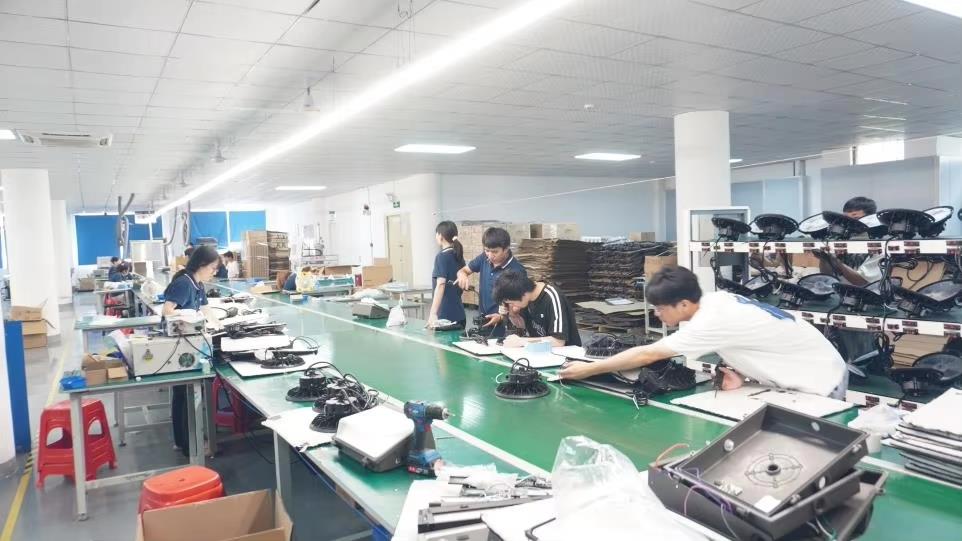
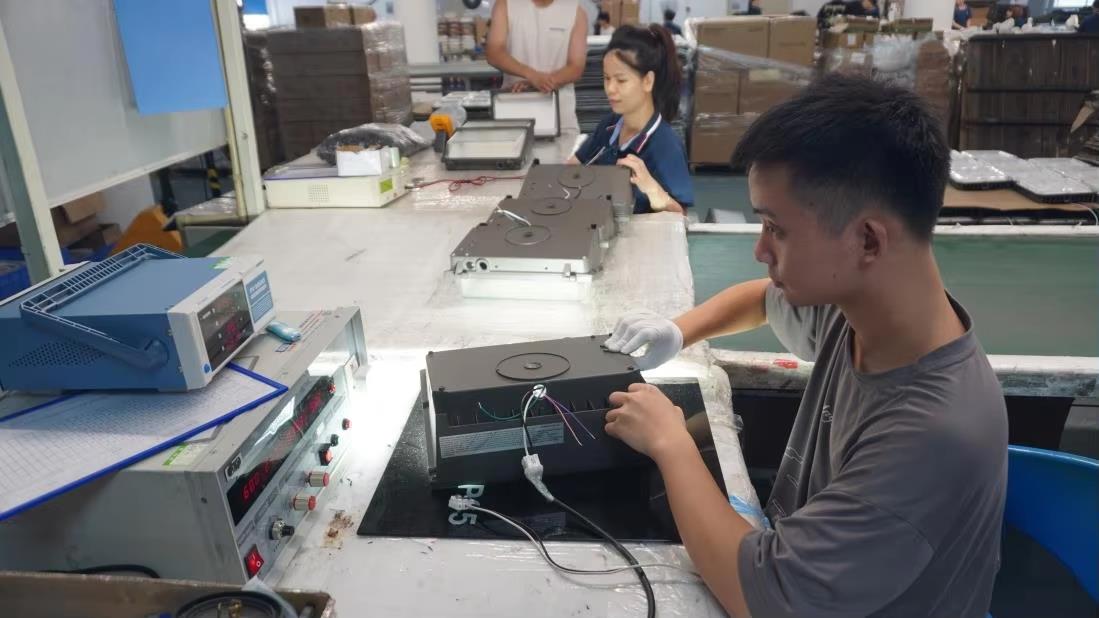
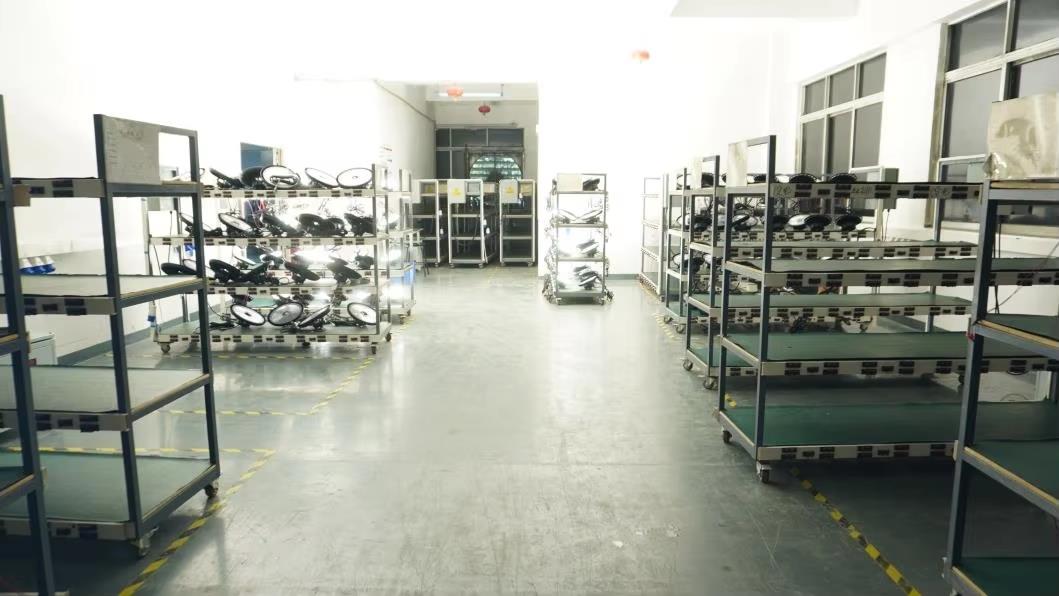
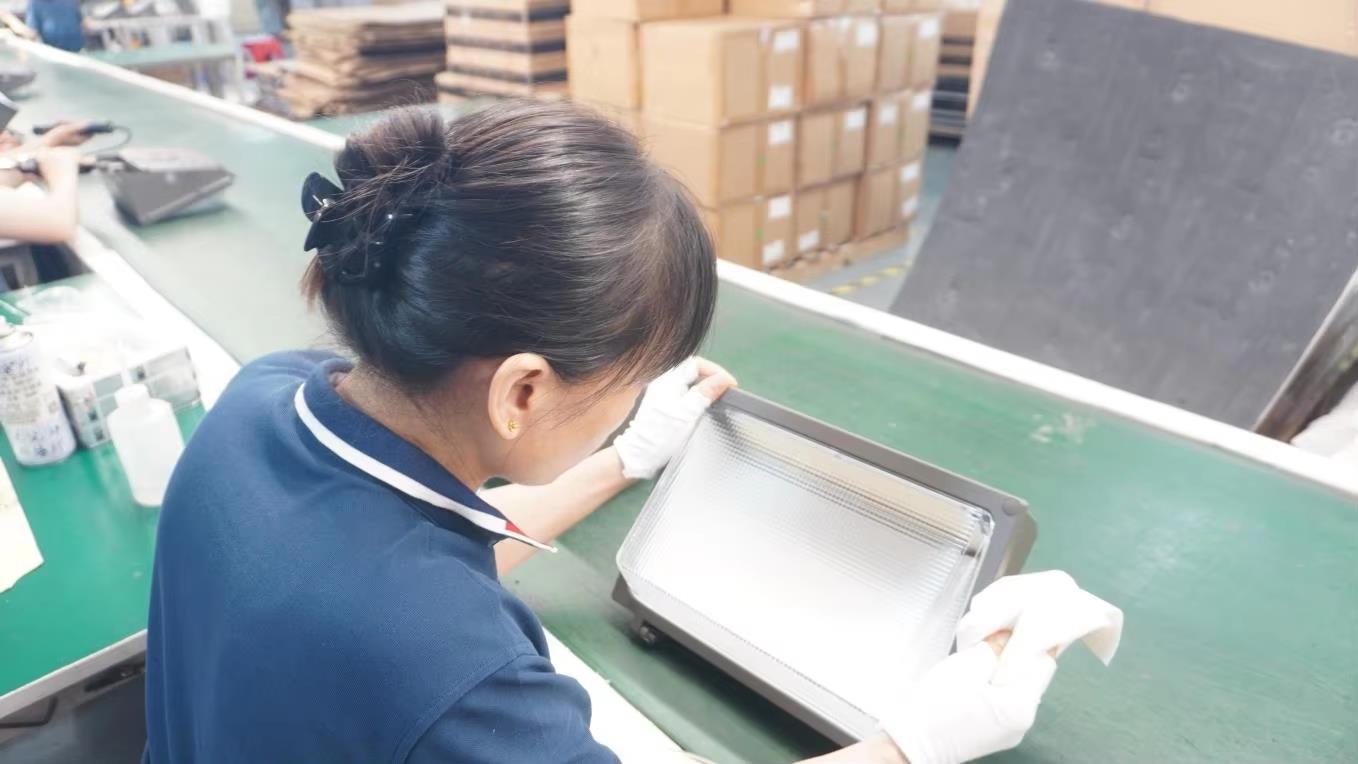
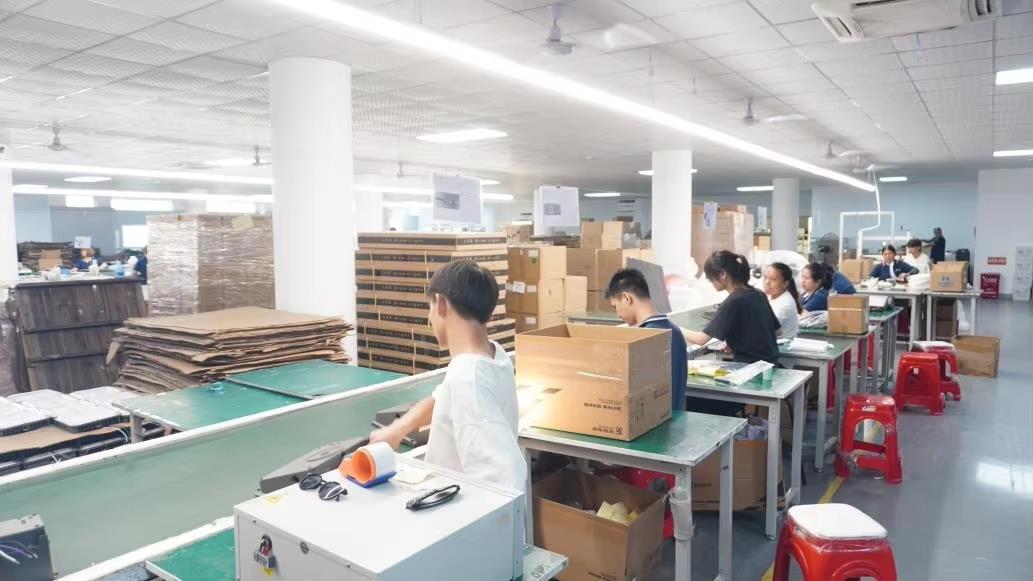
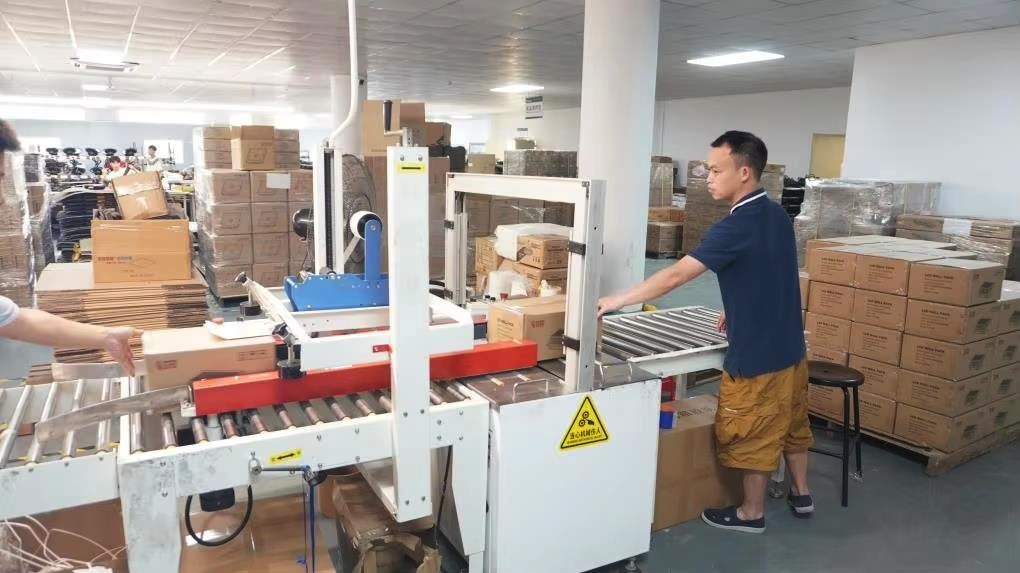
With a well-established production system and stable supply chain partnerships, Dorde Lights ensures consistent product quality, competitive pricing, and efficient delivery. The manufacturing process follows strict quality control standards at every stage—from material selection to final inspection—ensuring reliability and long-term performance under demanding operation environments.
We provide flexible OEM and ODM services to meet the diverse needs of global clients. By working closely with distributors, project contractors, and brand owners, Dorde Lights develops tailored lighting solutions that align with different market requirements and application scenarios.
At Dorde Lights, long-term success comes from trust and consistency. The company is committed to maintaining close cooperation with partners and continuously improving products and services to adapt to evolving market demands. Their comprehensive vision centers on becoming a trusted global LED lighting manufacturer recognized for quality, innovation, and customer-focused solutions.
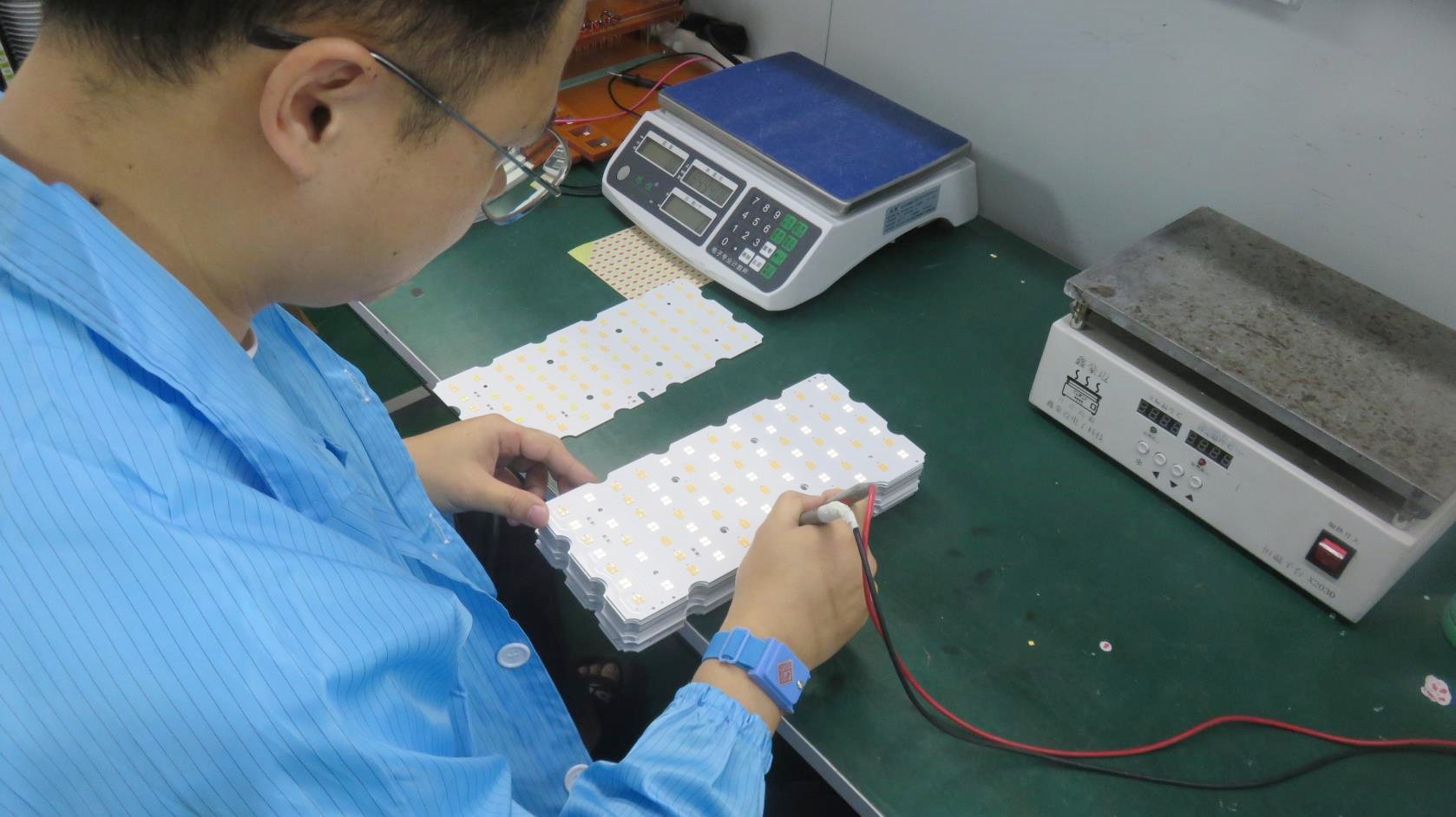
Exhaustive operational verification through each production stage, ensuring compliance with international ISO 9001 and ISO 14001 guidelines.
The transition to COB, CSP, and smart dynamic controls
Traditional Surface Mounted Devices (SMD) are steadily giving way to Chip-on-Board (COB) and Chip Scale Package (CSP) configurations. Eliminating standard lead frames allows for seamless dot-free linear output, wider viewing angles, and superior thermal dissipation matrices.
Future-ready strip light production integrates seamlessly with DALI-2, Casambi, Tuya Zigbee, and Matter protocol nodes. Color-tuning dynamics (2200K to 6500K) and human-centric circadian cycle synchronization are now baseline requirements for premium office environments.
Innovations in double-color food-grade silicone co-extrusion provide IP68 waterproof ratings while preventing yellowing under UV radiation. The use of polyurethane (PU) encapsulates guarantees chemical resilience in marine and industrial facilities.
Tailoring lighting outputs to specific commercial and heavy-duty architectural verticals
Color rendering is non-negotiable for retail presentations. Modern factories implement spectrum customization to boost values of TM-30-18 (Rf > 92, Rg ~ 100), ensuring textiles, food displays, and premium items look vibrant and natural. High-density COB strips with custom CCT (2700K Warm White to 3500K Halogen emulation) provide optimal accent lighting.
Linear components exposed to external conditions must combat extreme temperatures and mechanical tension. Top manufacturers implement automated silicone filling lines to construct IP67 and IP68 flexible strips featuring anti-capillary wire connectors. These design prevent moisture ingress through capillary action, securing lifetime performance.
Industrial scenarios require long structural runs without voltage drop-offs, necessitating thick cooper layers (3oz or 4oz) and integrated constant-current ICs. Factories are focusing heavily on explosion-proof configurations (compliant with ATEX and IECEx certification schemas) for petrochemical refineries and chemical production zones.
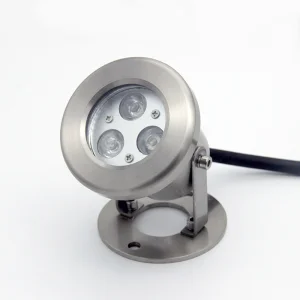
Submerged light units demand specialized engineering. Using stainless steel 316 housings combined with chemical-resistant silicone injection-molded caps, leading factories produce strip products capable of operating continuously at depth under chlorine and salt-water exposure without material degradation.
Meeting certification requirements for European, American, and Asia-Pacific markets
Entering international commercial markets requires robust local representation and regulatory compliance. Tier-one factories invest extensively in localized validation frameworks. In the North American market, UL 2108 (Low Voltage Lighting Systems) and Class 2 power supply integration are mandatory for safety checks. For European projects, compliance with the newly updated ErP (Energy-Related Products) directive and CE/RoHS directives governs market entry. Similarly, the Australian RCM standard dictates strict limits on Electromagnetic Interference (EMI).
To support global developers, professional factories provide comprehensive documentation packages. This includes IES files for photometrical calculations, thermal simulation reports, LM-80 testing data for LED source decay verification, and formal IP/IK rating certificates from third-party laboratories (like TÜV SÜD or Intertek). Ensuring your supplier possesses these certifications mitigates liability and expedites local building inspection approvals.
How geographic manufacturing hubs drive cost optimization and volume production
The Pearl River Delta in Guangdong, China, remains the epicenter of the global LED manufacturing infrastructure. This industrial hub offers immense supply chain depth, where copper FPC manufacturers, encapsulation companies (such as Nationstar or San'an), and packaging plants operate within close proximity. This localized network minimizes lead times, lowers shipping costs, and reduces raw material supply risks.
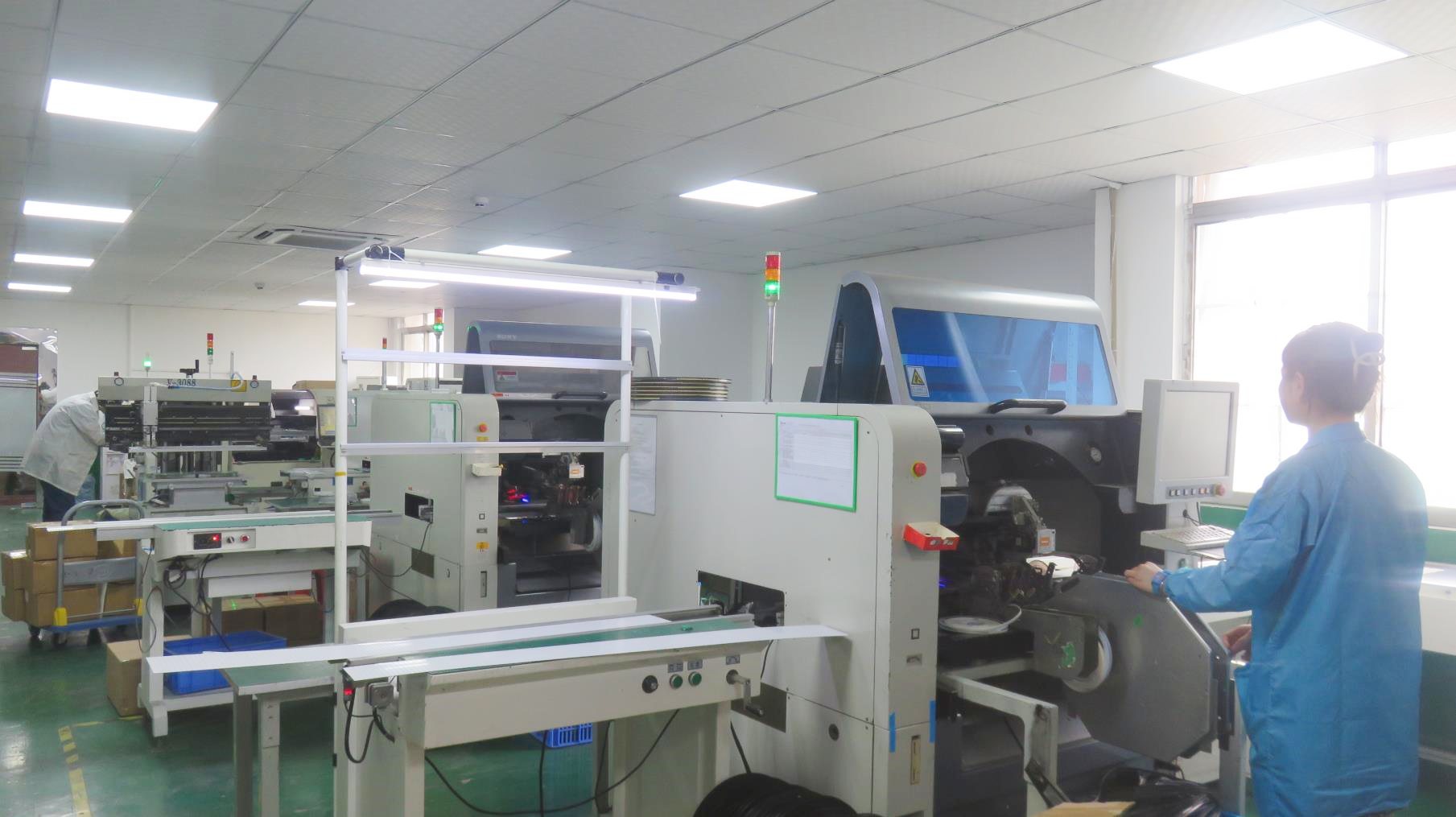
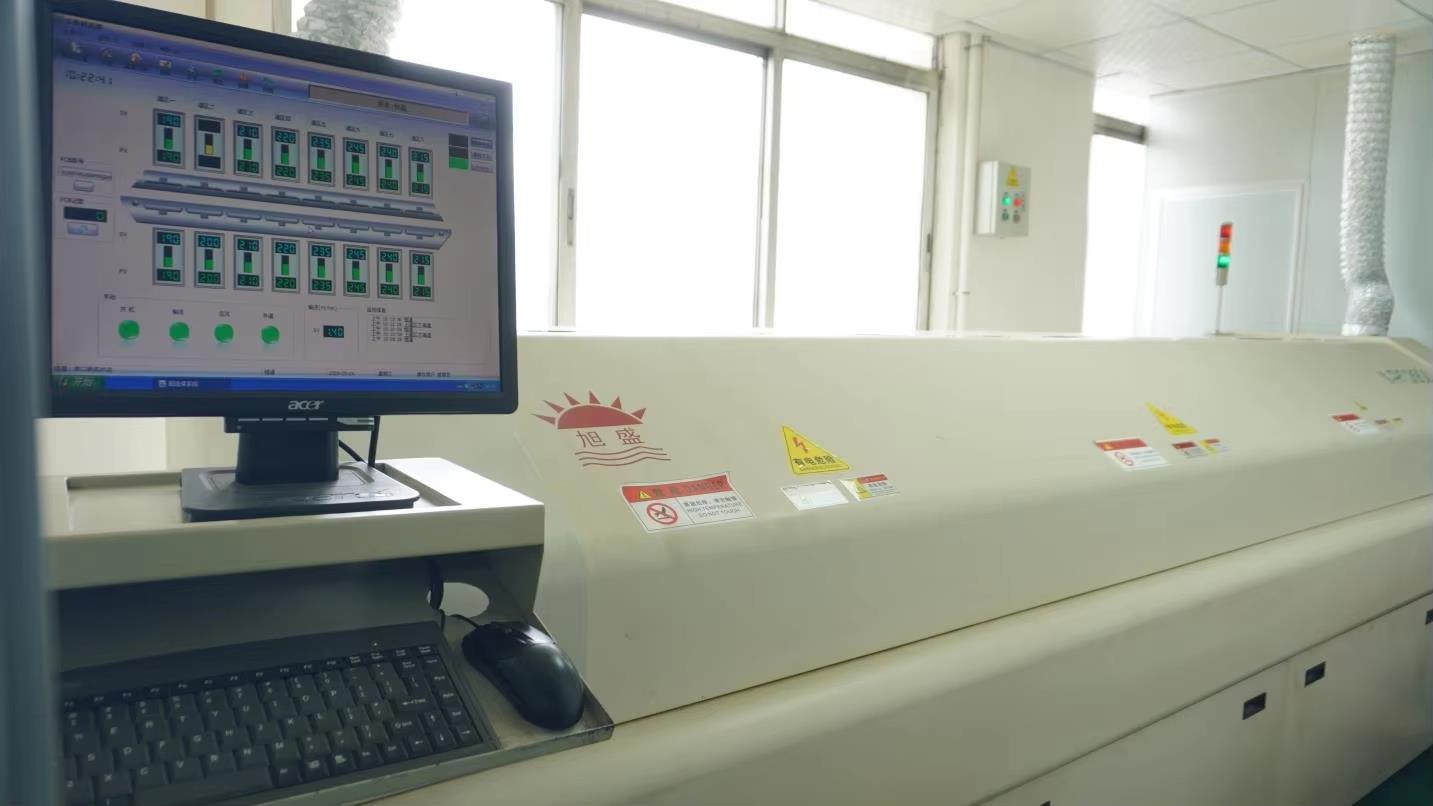
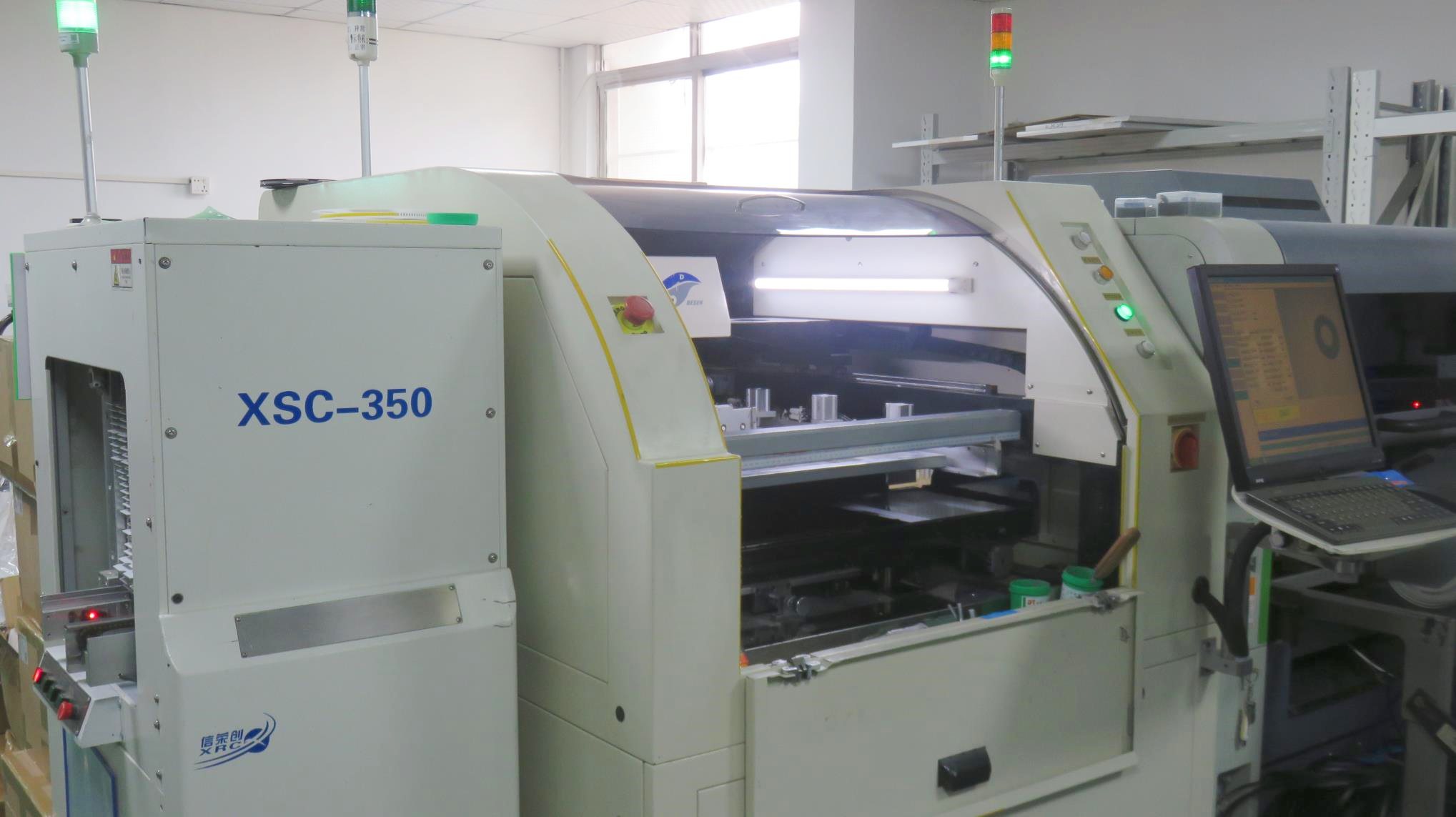
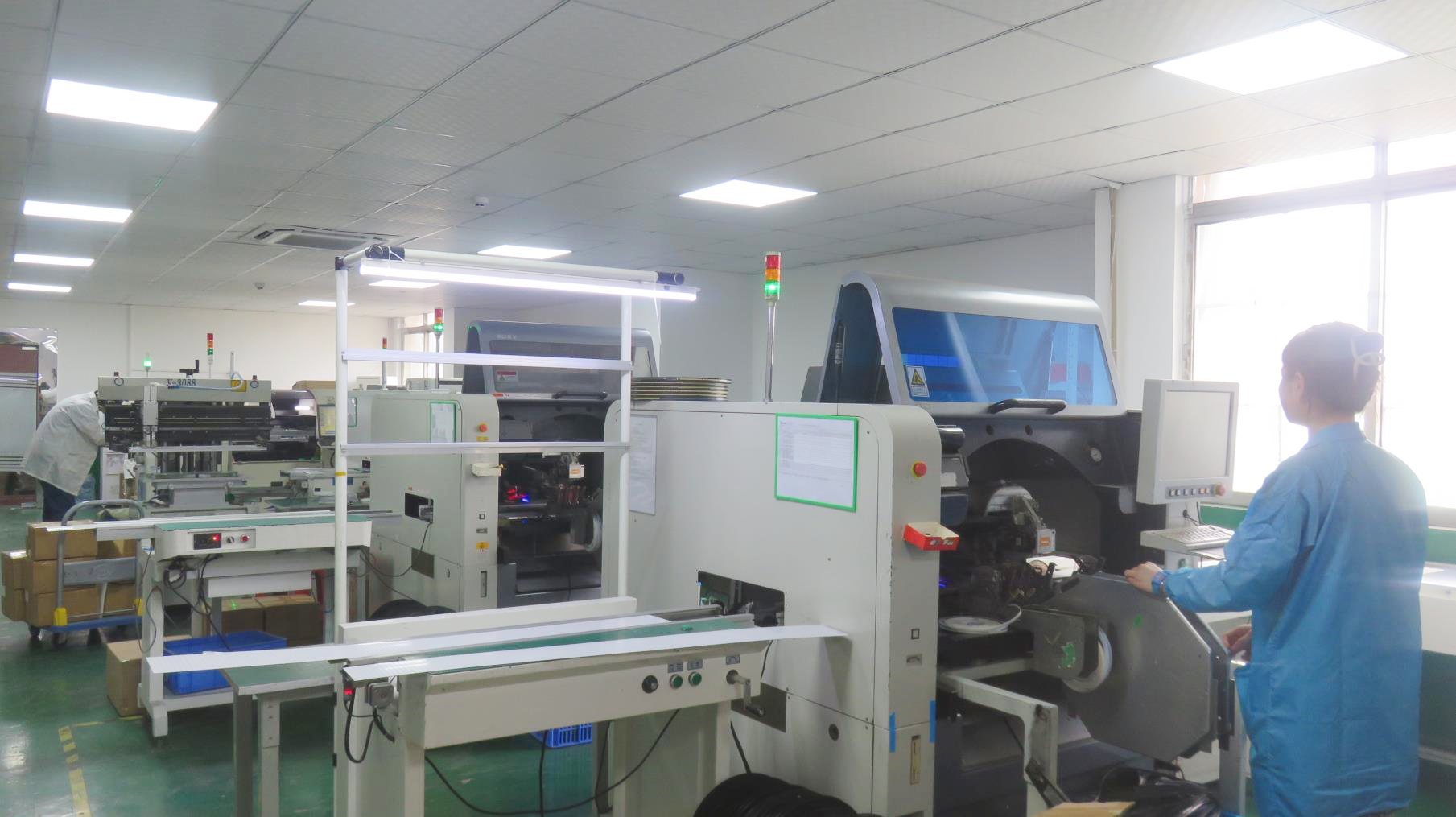
Furthermore, China's Factory 4.0 initiative has catalyzed a transition from manual operations to highly automated assembly systems. High-speed surface-mount technology (SMT) machines place tens of thousands of diode components per hour with micrometric precision. Automated optical inspection (AOI) units detect soldering anomalies instantly, while computerized aging racks monitor color performance metrics and thermal stability across production batches. This vertical integration yields exceptional scale efficiencies and highly consistent product quality.
Technical parameters to audit during supplier verification processes
When selecting a manufacturing partner, global procurement teams must use rigorous technical checklists to verify product claims. Below is a structured checklist outlining key electrical and physical properties that should be audited before placing volume production orders:
Resolving complex engineering issues in LED linear lighting procurement
Discover more high-efficiency, certified lighting products for global distribution
 Dorde Lights