In the highly specialized field of studio production, theatrical design, and architectural lighting, the selection of premium Fresnel lights stands as a critical parameter for success. A Fresnel light utilizes a specialized stepped lens design to produce a soft-edged, highly controllable beam of light, bridging the gap between highly focused spot beams and broad flood washes. Today, the global migration from legacy tungsten sources to high-power, high-CRI solid-state LED systems has redefined industrial procurement standards.
For lighting designers, project contractors, and enterprise distributors, finding a certified exporter that matches cutting-edge research with high-volume production is key. The modern market demands solutions that combine advanced optical glass, high-density LED arrays, precise thermal management, and seamless control integrations such as DALI, DMX512, and RDM protocols.
"True efficiency in optical engineering is not merely about luminous output, but about spectral consistency, thermal endurance, and precise beam shaping. Our mission is to bridge advanced optoelectronics with robust mechanical design."
Explore our primary array of high-power stage spots, outdoor tri-proof systems, solar landscapes, and smart track systems configured for immediate global export.
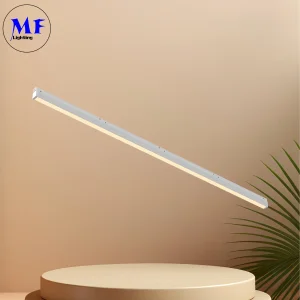
Evaluating the physics, light distribution algorithms, and hardware integration parameters that define high-performance project solutions.
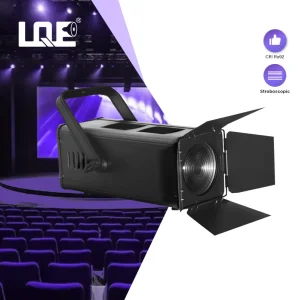
Fresnel optics collapse the curvature of a standard plano-convex lens into a series of concentric steps. This significantly reduces lens thickness, weight, and thermal heat retention. The result is a highly focused beam center that transitions smoothly into a soft edge, preventing harsh shadows in film studio or theatrical backdrops.
High-end digital camera sensors (CMOS/CCD) are extremely sensitive to spectral gaps. Quality manufacturers design LED engines to achieve a Color Rendering Index (CRI) of Ra ≥ 95 and a Television Lighting Consistency Index (TLCI) of ≥ 96. This eliminates green/magenta color cast, saving time in post-production color grading.
High-wattage LED COB arrays generate substantial heat at the junction point. Modern systems utilize copper heat-pipe heat sinks combined with whisper-quiet, intelligent cooling fans. This ensures junction temperatures stay below critical limits, guaranteeing an L70 lifetime of more than 50,000 operational hours.
Historically, tungsten lamps dominated the production landscape. However, the energy consumption, immense heat output, and short bulb life spans made them highly inefficient. With the emergence of Solid-State Lighting (SSL), modern LED Fresnel lights deliver over 100 lumens per watt, represent a 90% reduction in power consumption, and allow for digital controls such as variable color temperature adjustments (2700K - 6500K) and RGBW color mixing directly via digital protocols.
From an architectural standpoint, these lights are highly valued for highlight projection. The ability to shift from a tight 15-degree spot to a wide 60-degree flood beam using a manual crank or DMX-driven motor allows designers to shift layouts dynamically. This level of flexibility is essential for multi-use halls, dynamic product exhibition areas, and modern television newsrooms.
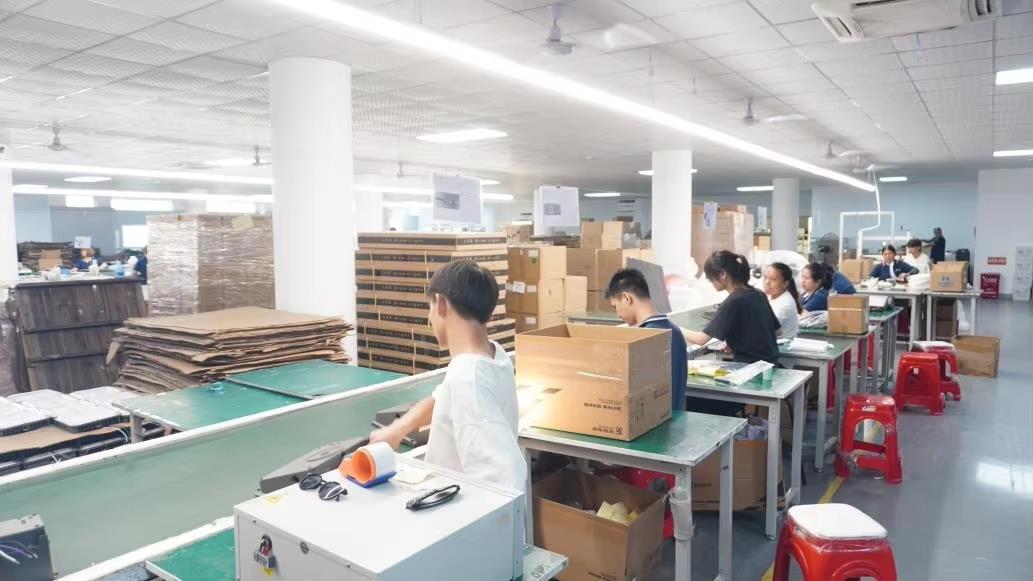
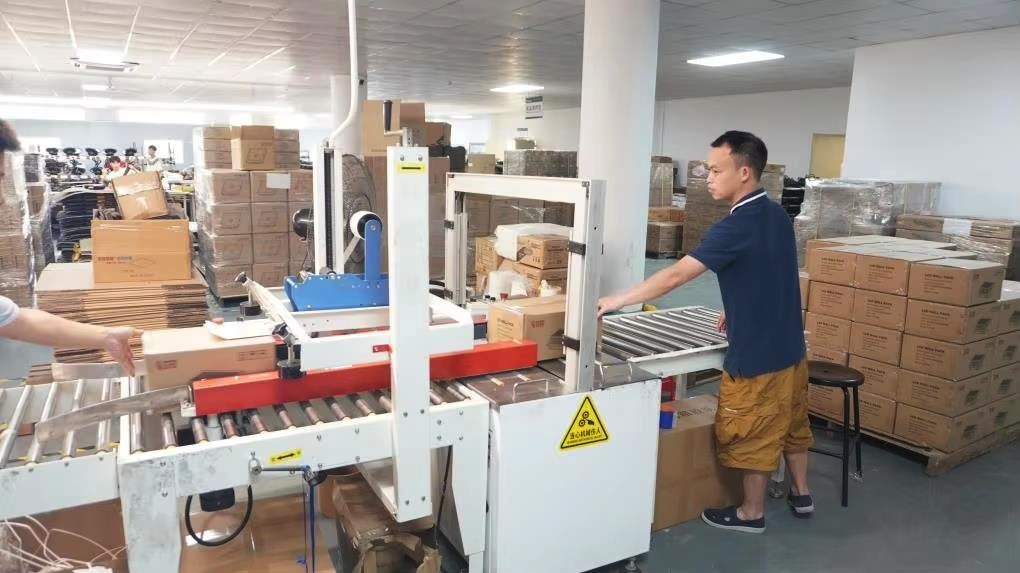
Elite manufacturing operations, supply chain excellence, and strict quality control standards since 2007.
Founded in 2007, Guangdong Dorde Lights Co. Ltd. is a professional manufacturer specializing in LED lighting solutions for residential, commercial, and industrial applications. With years of experience in the lighting industry, we are committed to delivering reliable, energy-efficient, and high-performance lighting products to customers worldwide.
Dorde Lights is dedicated to the research, development, and production of modern LED lighting products. Our product range includes LED panel lights, downlights, linear lights, and customized lighting solutions. By combining practical engineering with contemporary design, we aim to create lighting that is both functional and visually refined.
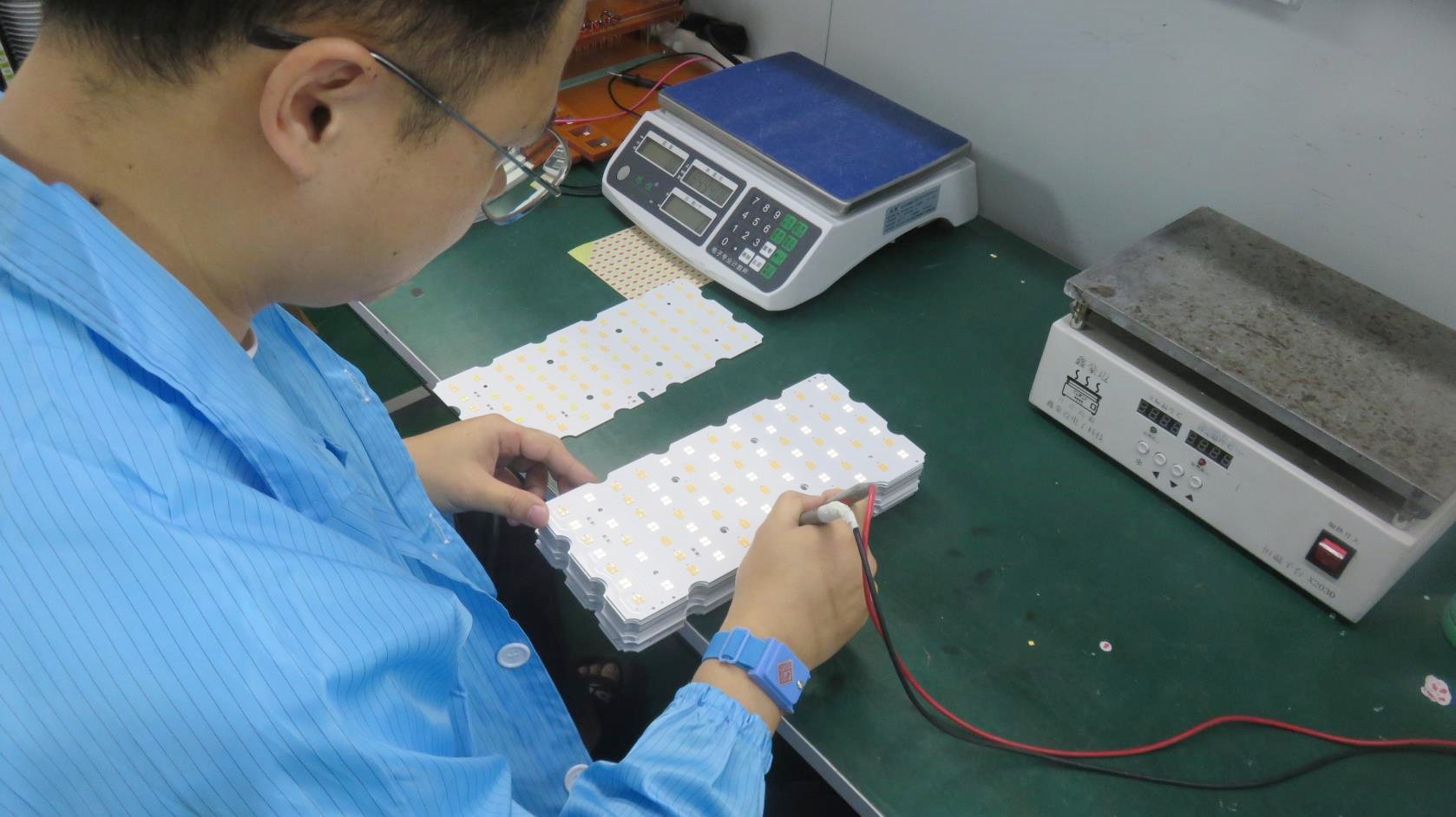
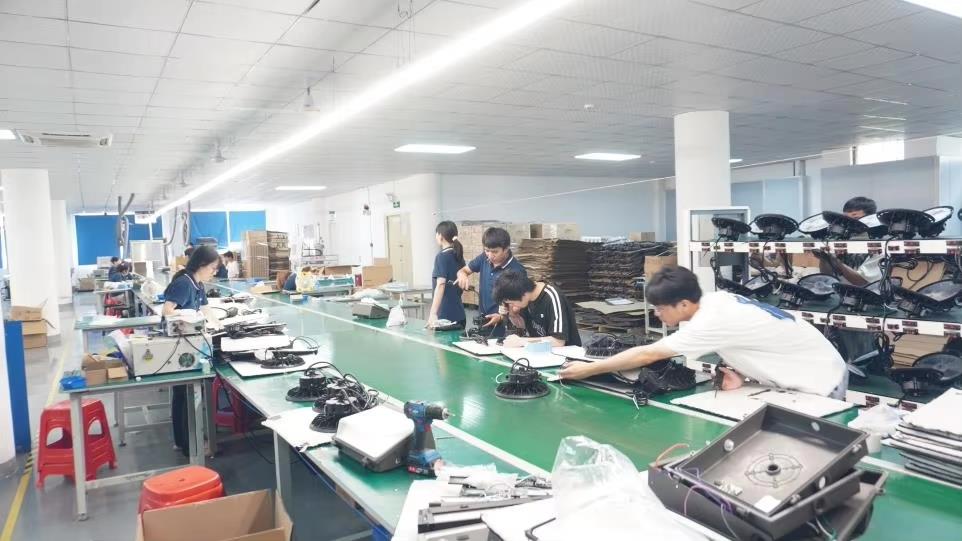
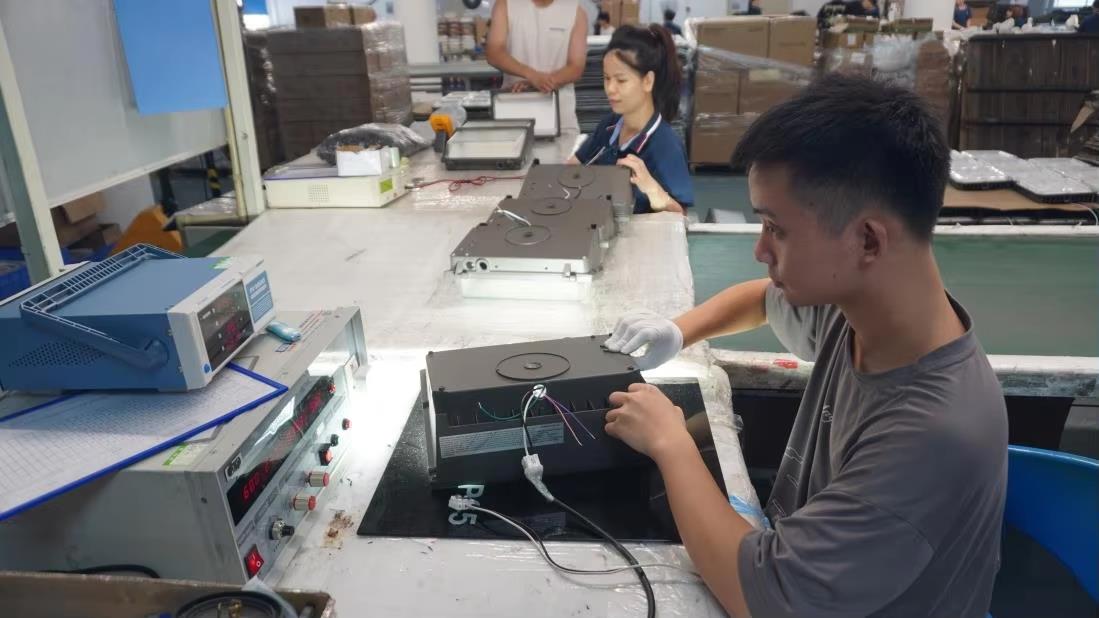
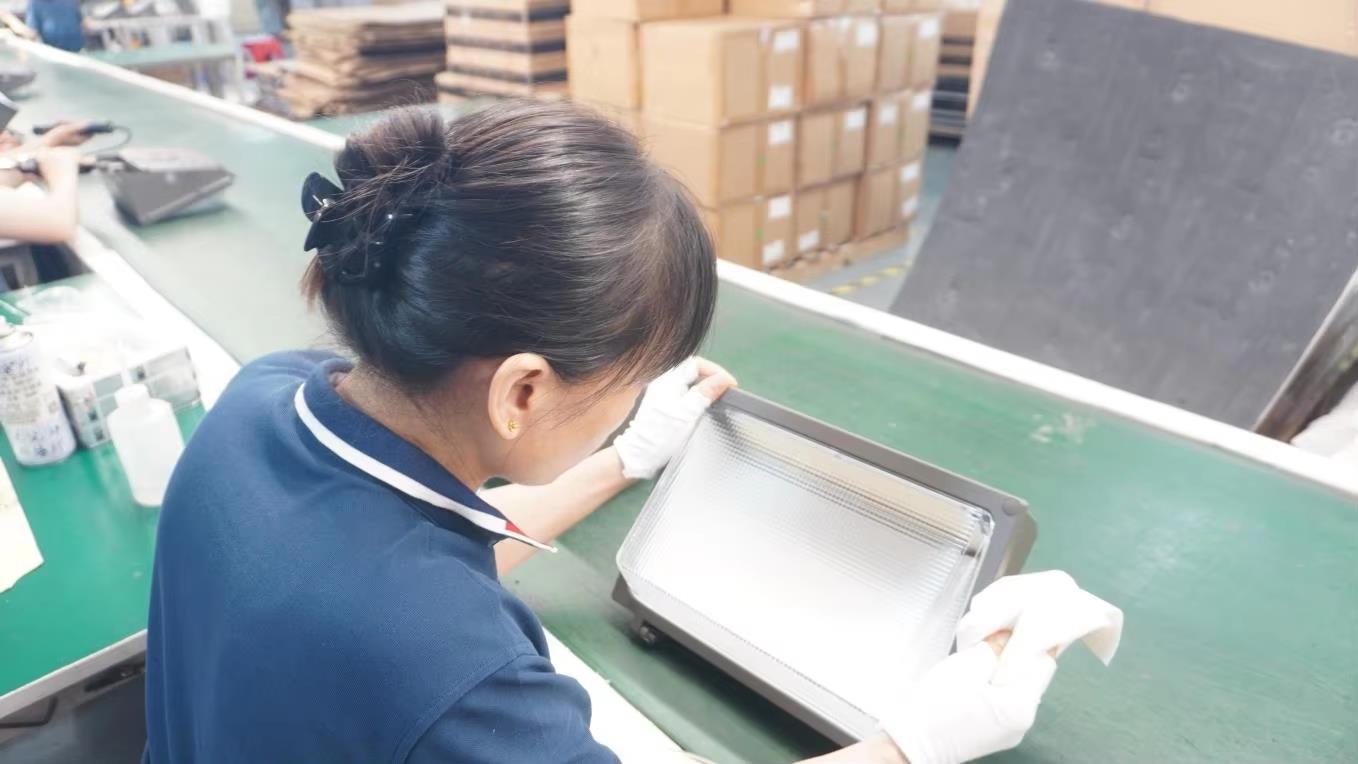
With a well-established production system and stable supply chain partnerships, we ensure consistent product quality, competitive pricing, and efficient delivery. Our manufacturing process follows strict quality control standards at every stage—from material selection to final inspection—ensuring reliability and long-term performance.
We provide flexible OEM and ODM services to meet the diverse needs of global clients. By working closely with distributors, project contractors, and brand owners, we develop tailored lighting solutions that align with different market requirements and application scenarios. At Dorde Lights, we believe long-term success comes from trust and consistency.
Key criteria to evaluate when establishing strategic contracts with professional Fresnel lighting suppliers.
B2B procurement agents for major networks, municipal theaters, and commercial build-outs must carefully vet candidate manufacturers based on verifiable criteria. Below are the core parameters identified by lead architects and procurement specialists:
Ensure suppliers supply rigorous photometric reports (IES file outputs) validating beam distribution, lux consistency across distances, and chromaticity coordinates. Lenses must be free of internal bubbles and striae to ensure clean refraction.
For modern projects, standalone operation is rarely sufficient. Fixtures must offer robust DMX512-A with Remote Device Management (RDM) capabilities, enabling remote address setting and diagnostic temperature readouts directly from the lighting console.
Verify that components like LED COB arrays, internal switching power supplies, and cooling fans are sourced from top tier global brands (e.g., Cree, Osram, Mean Well). This prevents premature field failures and protects project investments.
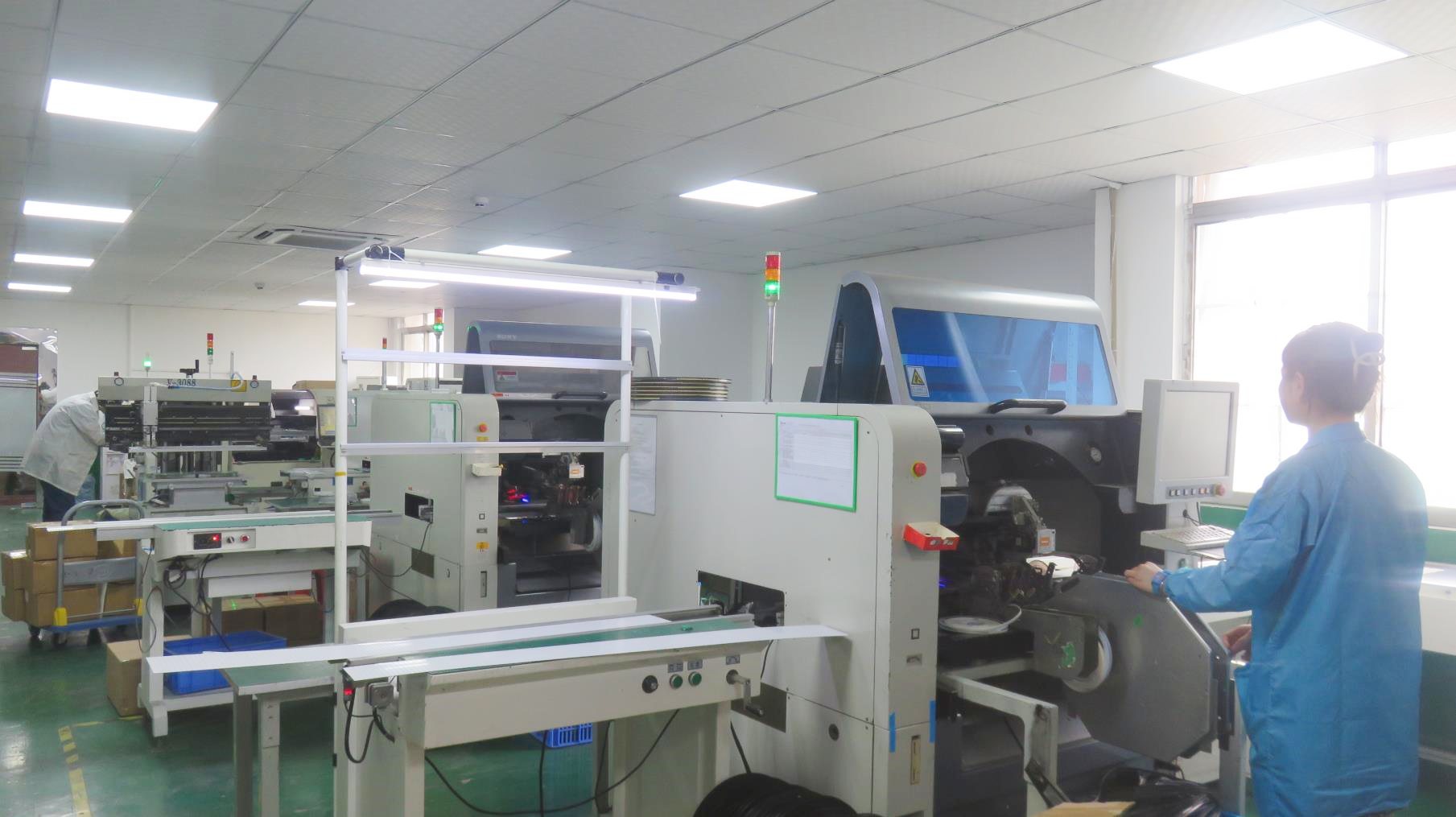
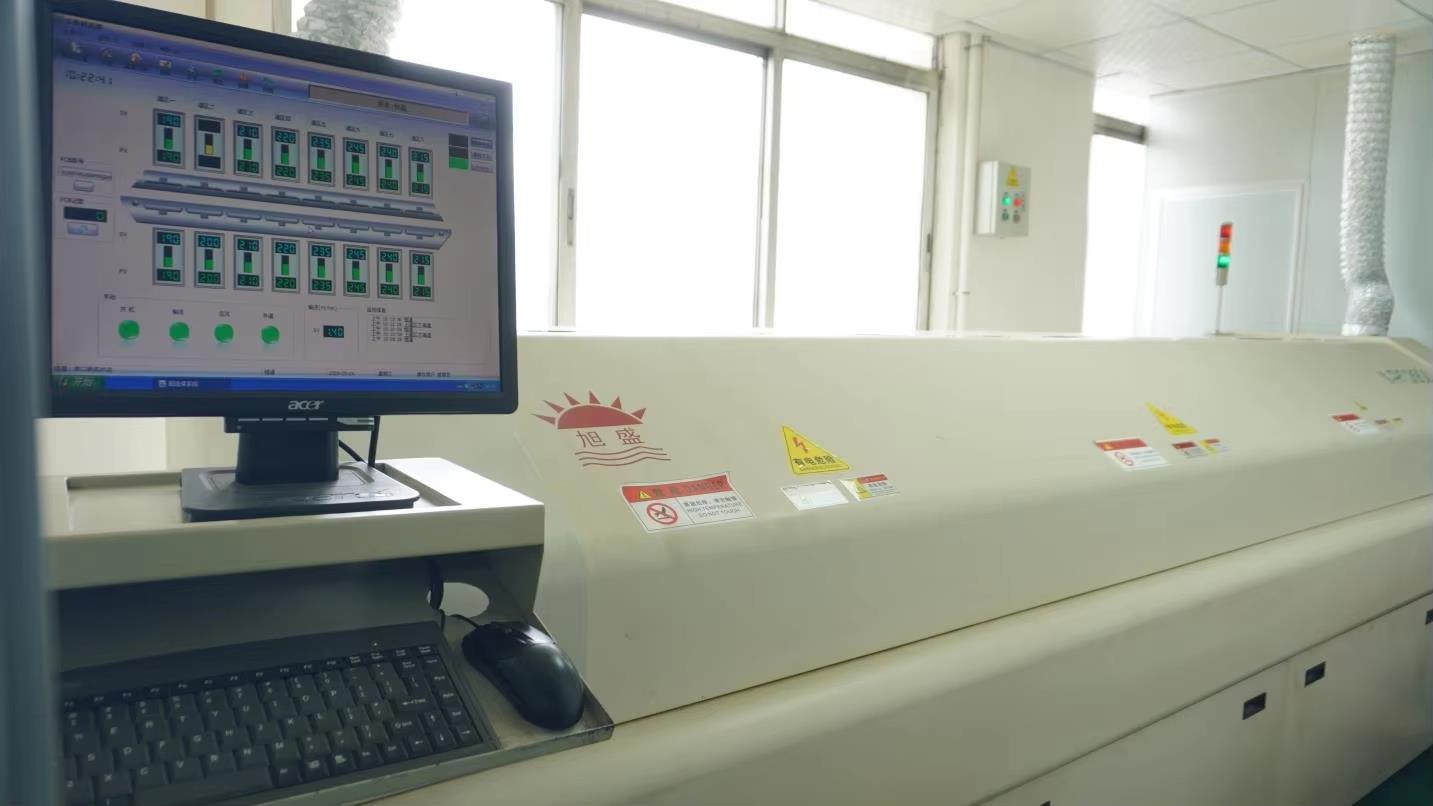
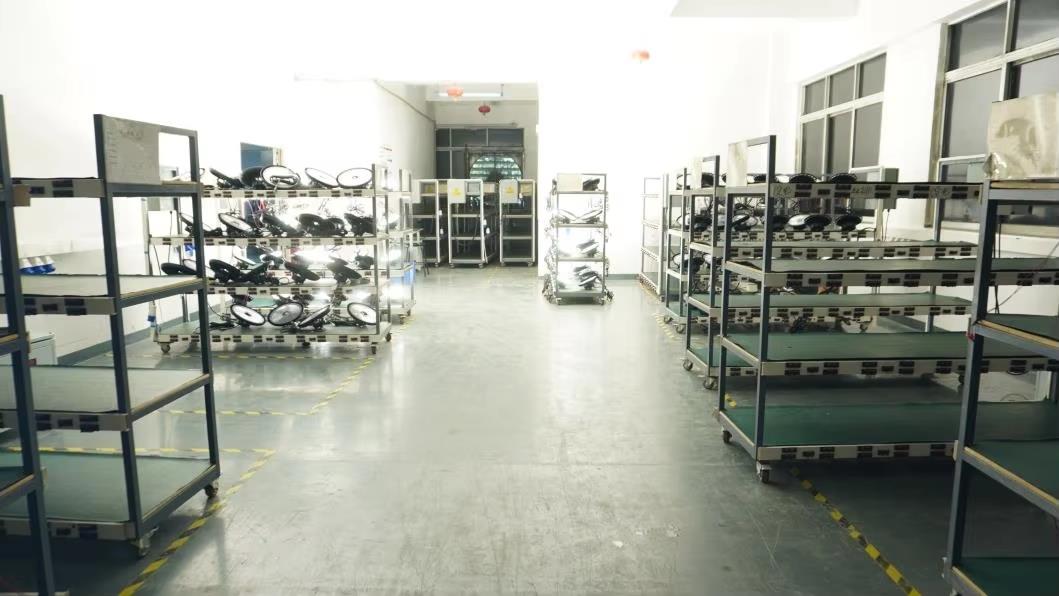
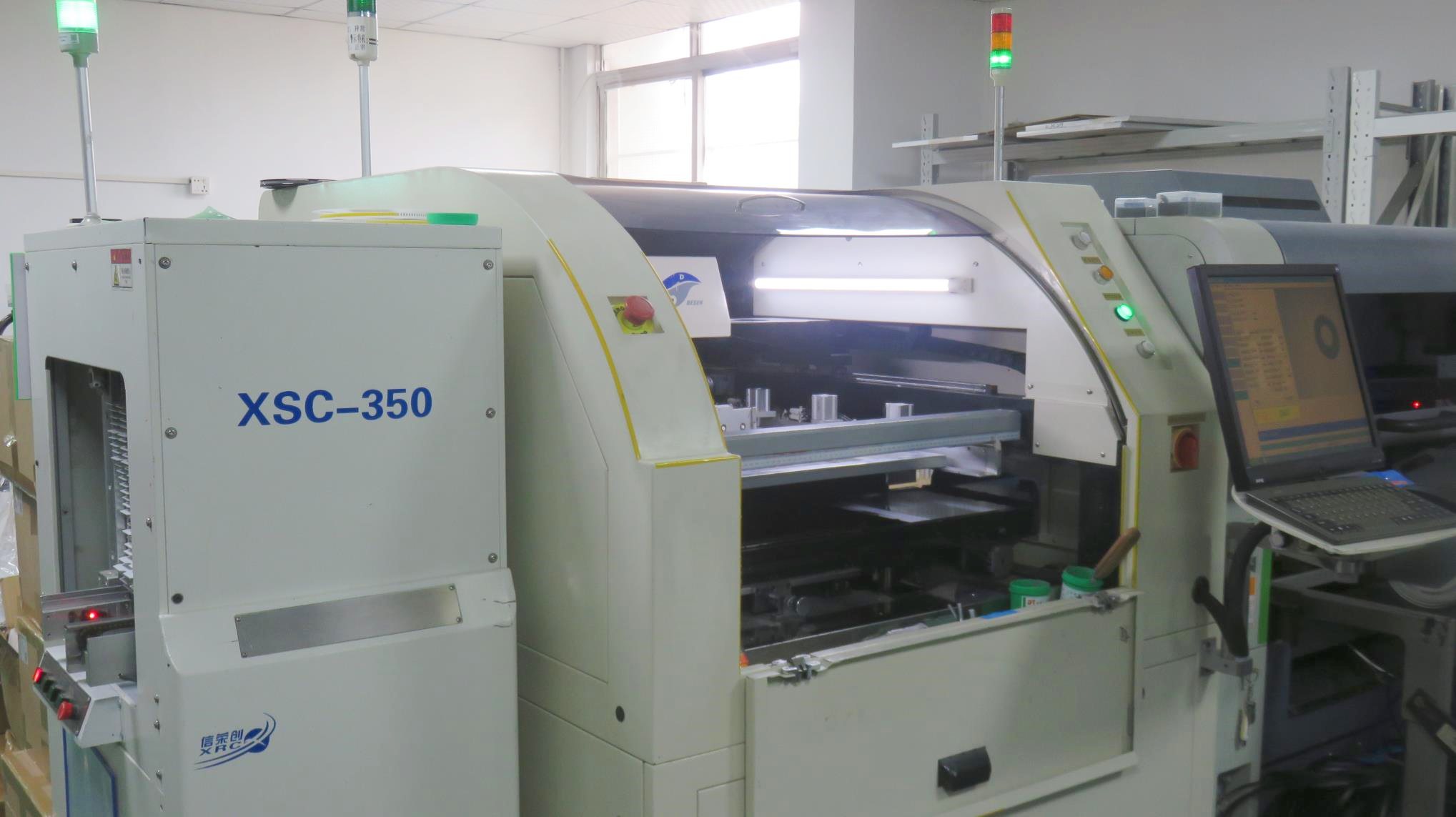
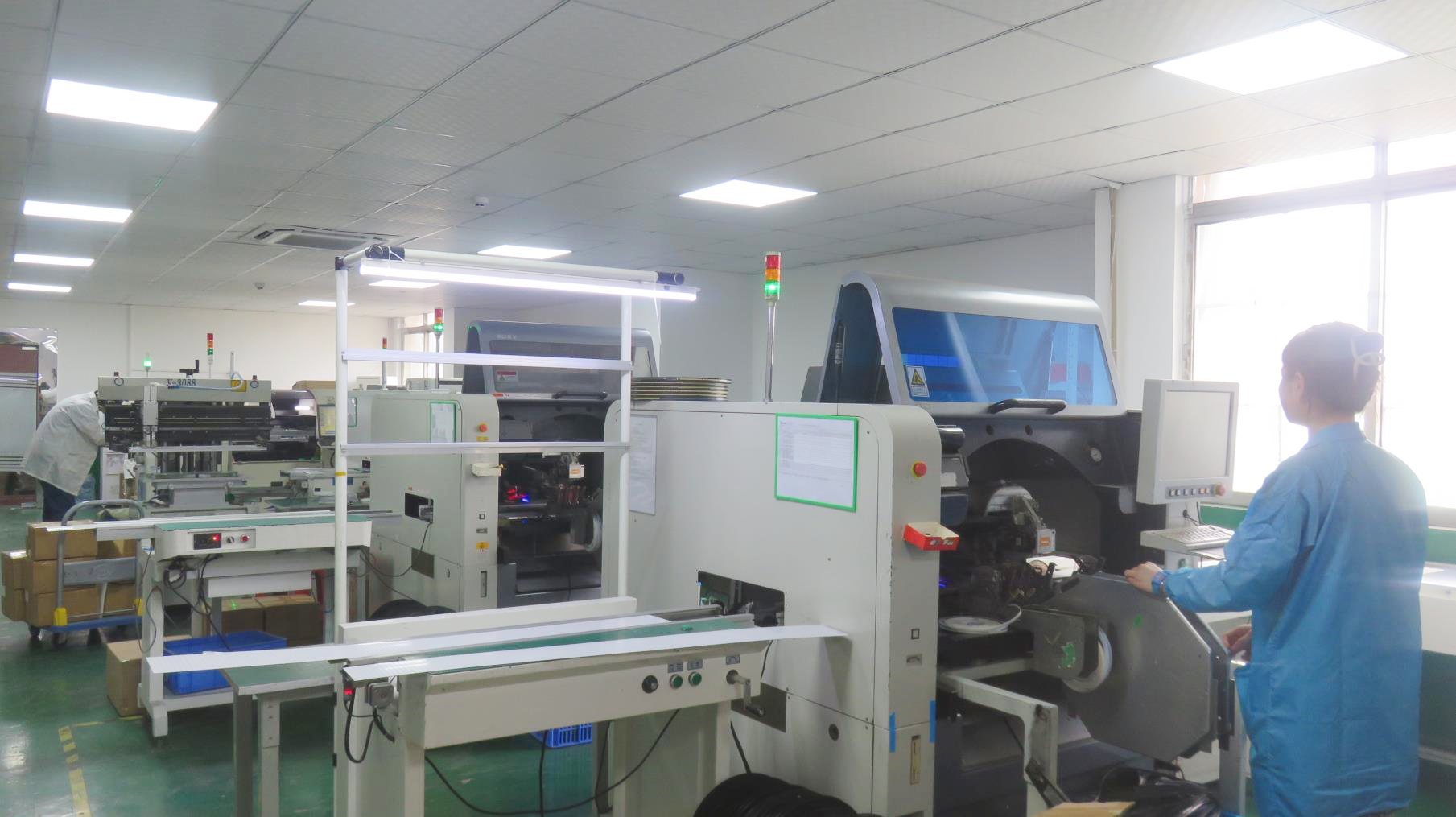
In addition to raw technical performance, the agility of the supplier's OEM/ODM process is critical. A reliable factory must provide detailed engineering drawings, 3D CAD modeling, and thermal simulations within days of the initial inquiry. Guangdong Dorde Lights Co. Ltd., using its state-of-the-art SMT lines, advanced reflow soldering systems, and strict aging test chambers, maintains consistent production lead times while offering comprehensive custom options (e.g. customized housings, tailored CCT ranges, and unique beam optics).
From theatrical design to harsh industrial infrastructure—how tailored lighting configurations solve real-world installation challenges.
Professional broadcast settings require absolutely flicker-free operation (high PWM frequency drivers) and extremely quiet cooling fans. High-CRI LED Fresnel spotlights provide key and fill lighting, ensuring presenters appear natural on camera without humming noise interfering with directional microphones.
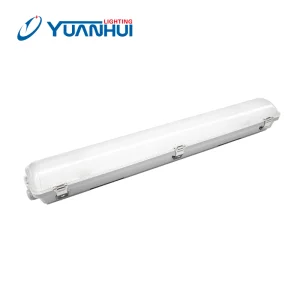
For challenging applications like roadway tunnels or marine shipping centers, lighting fixtures need heavy-duty IP66 tri-proof properties. Linear, impact-resistant structures safeguard against moisture, high-pressure spray cleaning, and corrosive environments while maintaining stable light outputs.
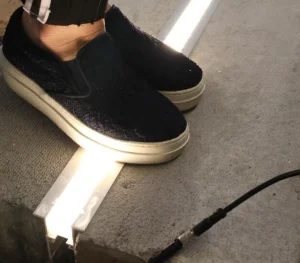
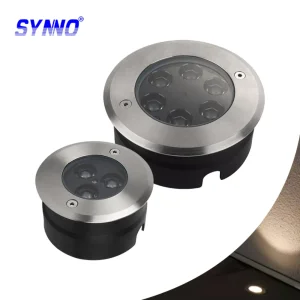
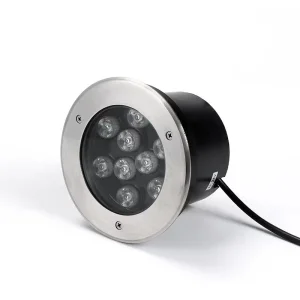
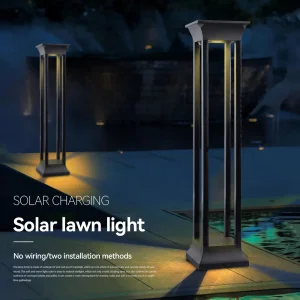
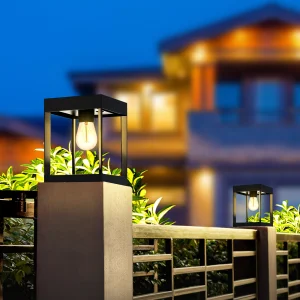
In exterior landscape lighting, reliability is a key factor. Using heavy-gauge aluminum housings, SPI control systems, IP67 in-ground burials, and premium LED chips allows designers to create dynamic light walls on hotel facades, parks, and high-visibility corporate campuses.
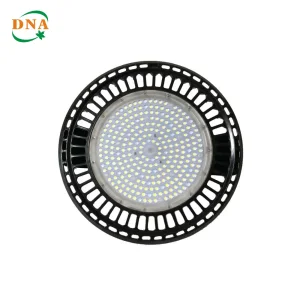
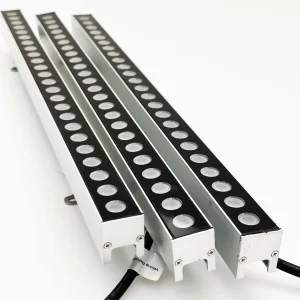
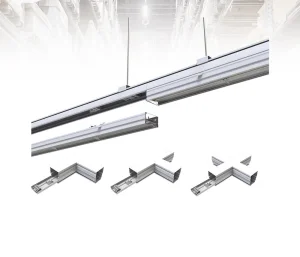
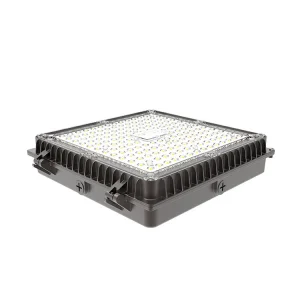
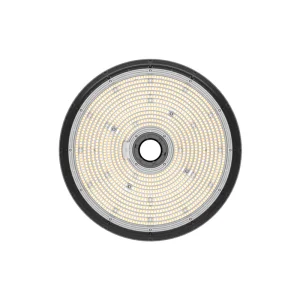
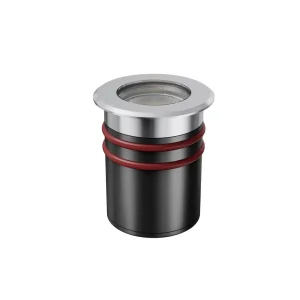
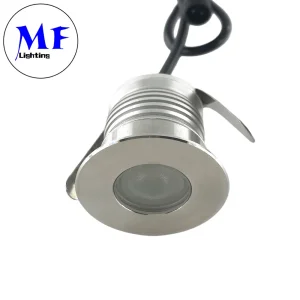
Discover our specialized high-bay, architectural linear, wall washer, and inground accent lights designed for heavy-duty commercial deployment.
Understanding color tuning, multi-spectral optics, and the advantages of advanced Chinese production centers.
The manufacturing environment in Guangdong, China has changed. Previously focused primarily on high-volume assembly, leading factories now drive significant innovation in LED drivers, advanced thermal control, and custom optics. Through dense regional industrial networks in cities like Shenzhen, Zhongshan, and Guangzhou, manufacturers can rapidly integrate new components, shorten development times, and deliver cost-effective solutions for international projects.
Key technological trends shaping the industry include:
Additionally, modern production facilities employ automatic pick-and-place SMT machines, computerized reflow ovens, and precise spectrophotometers. This level of process automation ensures consistent color temperature and luminous flux from one production run to another—a critical requirement for large-scale multi-phase installations.
Technical answers to key procurement and installation questions about professional Fresnel and project luminaires.
A broadcast-grade Fresnel light is characterized by high color rendering indices (CRI ≥ 95, TLCI ≥ 96), silent active cooling (noise levels < 20dB), and a flicker-free LED driver. The fixture must also provide a smooth, continuous zoom range (typically 15° to 60°) and support standard control protocols like DMX512-A and RDM.
Traditional CRI measures how light renders colors to the human eye. TLCI (Television Lighting Consistency Index) measures how light is captured by digital camera sensors. A low TLCI value can lead to green or magenta tints on screen, requiring time-consuming color correction in post-production.
LED Fresnel lights reduce energy consumption by up to 90% and generate significantly less heat, lowering HVAC loads in studios. They also offer a much longer operating lifespan (50,000 hours vs. 250 hours for tungsten bulbs) and allow for direct control of color temperature and RGB configurations without external dimmers or color gels.
We maintain strict quality control through automated SMT manufacturing, precise reflow soldering, and component tracking. Every production run undergoes color binning verification and a dedicated 48-hour burn-in and aging test to ensure uniform color temperature and brightness across all fixtures.
For linear accent and in-ground lighting, we recommend IP67 or IP68 ratings. This level of protection prevents dust ingress and protects the fixtures against water immersion, making them suitable for long-term outdoor performance in harsh weather conditions.
 Dorde Lights