The global demand for high-end hospitality, historical conservation projects, themed retail environments, and industrial retro-chic designs has triggered a massive evolution in the lighting manufacturing landscape. While traditional incandescent vintage bulbs have been largely phased out due to low efficiency and thermal overhead, the market has pivoted toward advanced LED vintage lighting systems. These combine the aesthetic warmth, authentic filaments, and classic form factors of early 20th-century illumination with modern features like CCT tuning, flicker-free dimming, long-term thermal management, and exceptional energy efficiency.
For international sourcing agents, lighting designers, and architectural engineering firms, identifying the right partner in China—the epicenter of the global lighting supply chain—requires looking far beyond cheap price tags. It demands a rigorous evaluation of the manufacturer's engineering capacity, structural reliability (E-E-A-T), component sourcing transparency, and international certification portfolio. Premium manufacturers do not merely replicate historic designs; they re-engineer them to meet the stringent optical, thermal, and mechanical expectations of modern building standards.
Founded in 2007, Guangdong Dorde Lights Co. Ltd. stands as a benchmark of professional manufacturing. We specialize in robust, high-performance LED lighting solutions designed for residential, commercial, and industrial projects worldwide. By merging modern optoelectronics with classic design languages, we bridge the gap between traditional aesthetics and state-of-the-art energy-efficient systems.
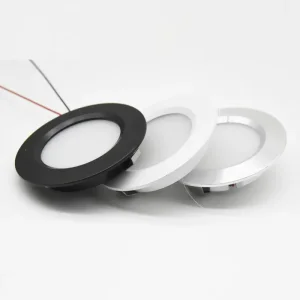
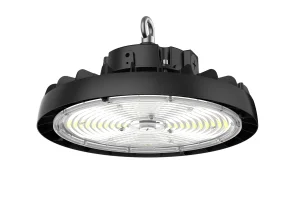
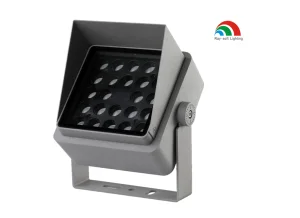
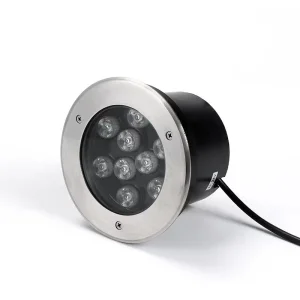
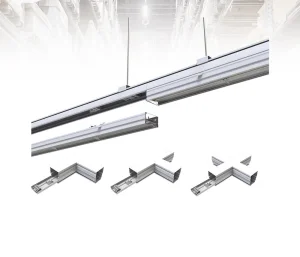
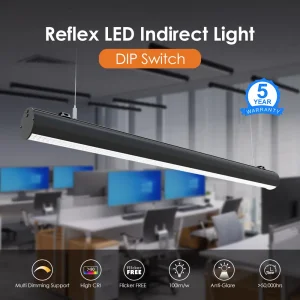
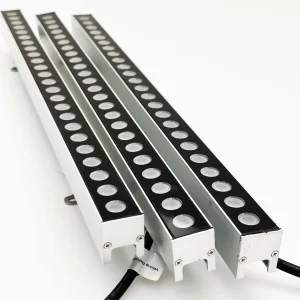
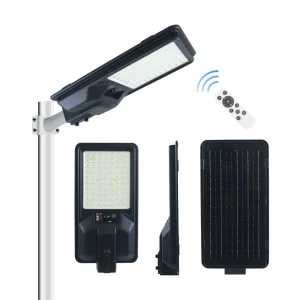
Dorde Lights is deeply committed to research, development, and production. Our catalog spans from low-profile, dimmable architectural panel lights and high-performance downlights to rugged exterior linear washers, and customized, aesthetic vintage-industrial illumination. We combine practical mechanical engineering with contemporary styling. This approach ensures our luminaires deliver both exceptional functional efficiency and highly refined, atmospheric visual appeal.
"True E-E-A-T (Experience, Expertise, Authoritativeness, and Trustworthiness) in lighting manufacturing isn't built on catalog size; it is forged through raw material tracking, precise surface-mount technology (SMT) assembly, thorough thermal dissipation tests, and unconditional compliance with global electrical safety standards."
Guangdong's Pearl River Delta represents the world’s most integrated and technically advanced lighting ecosystem. This unique industrial density provides significant strategic advantages for global B2B procurement:
Quality is not a final checklist; it is an integrated manufacturing standard. Below is the precise 11-stage workflow showing how we design, manufacture, and test our products.
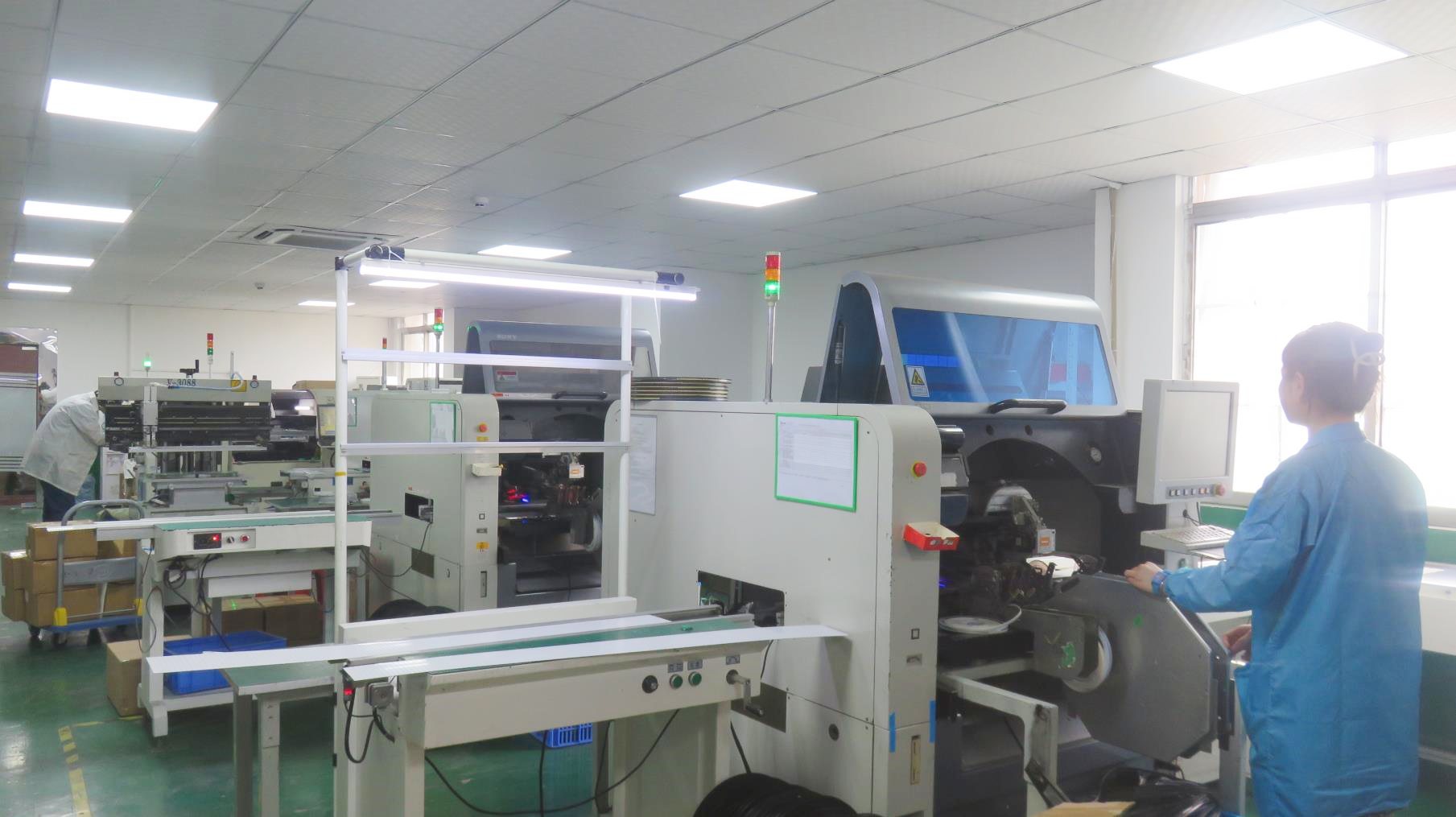
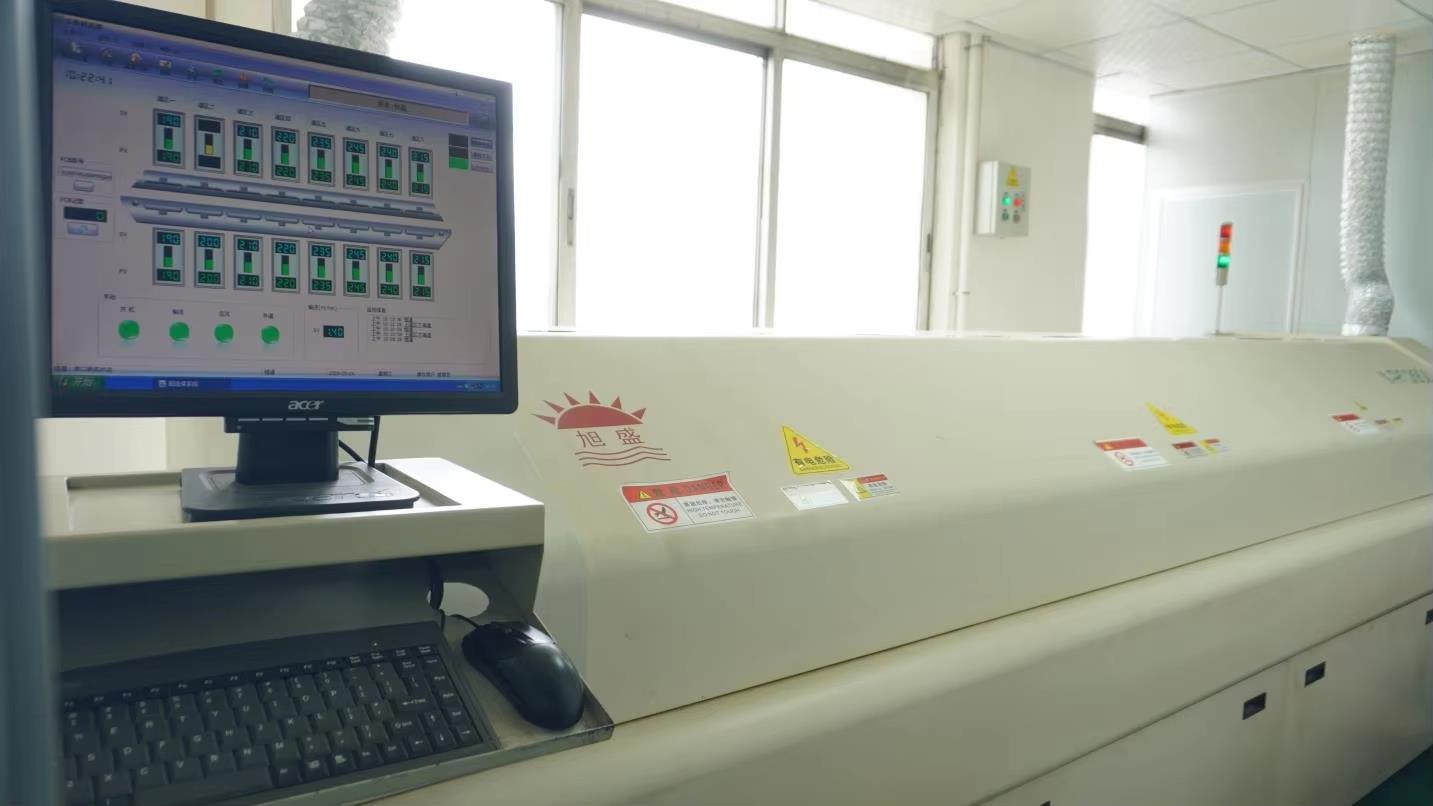
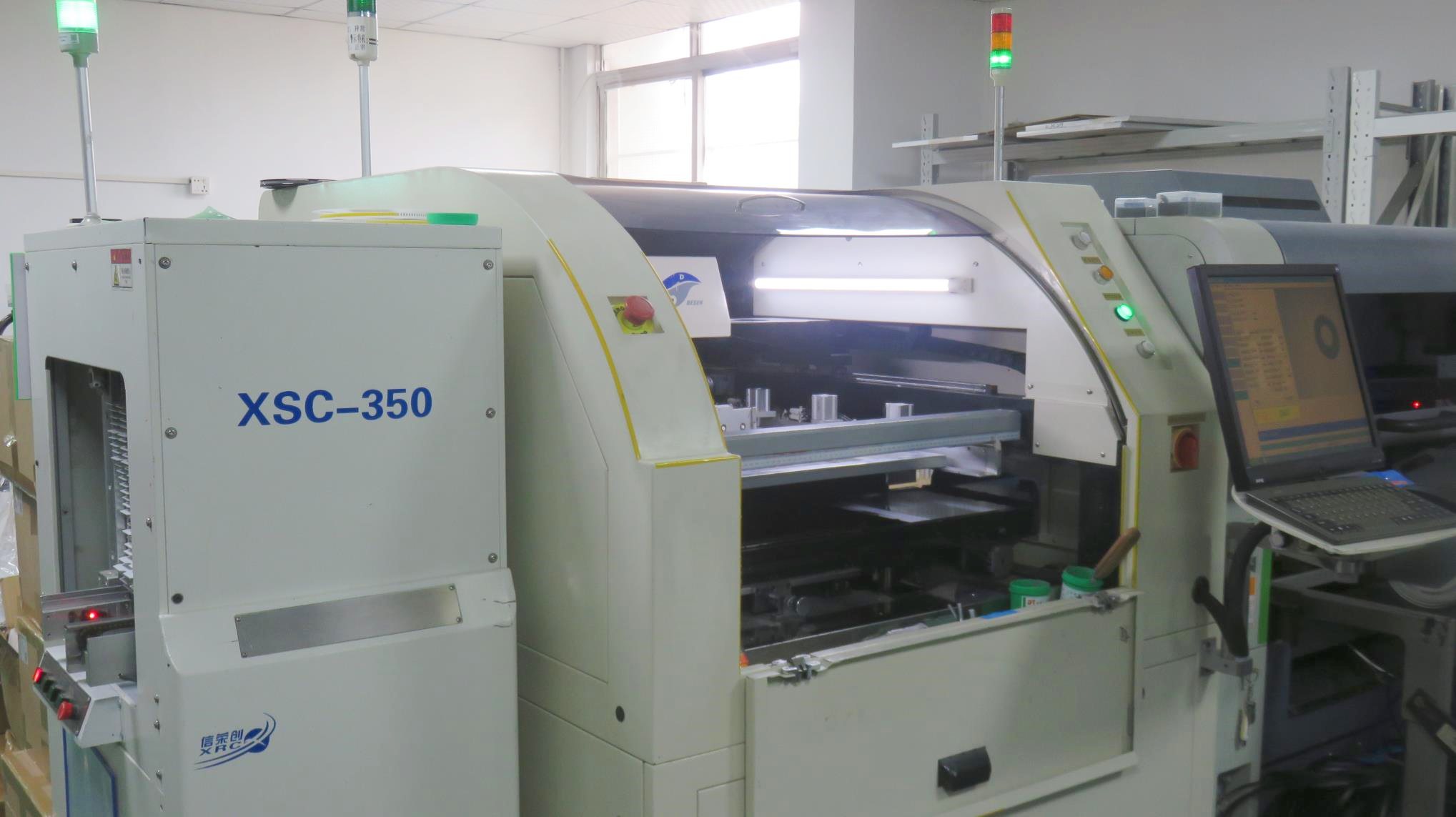
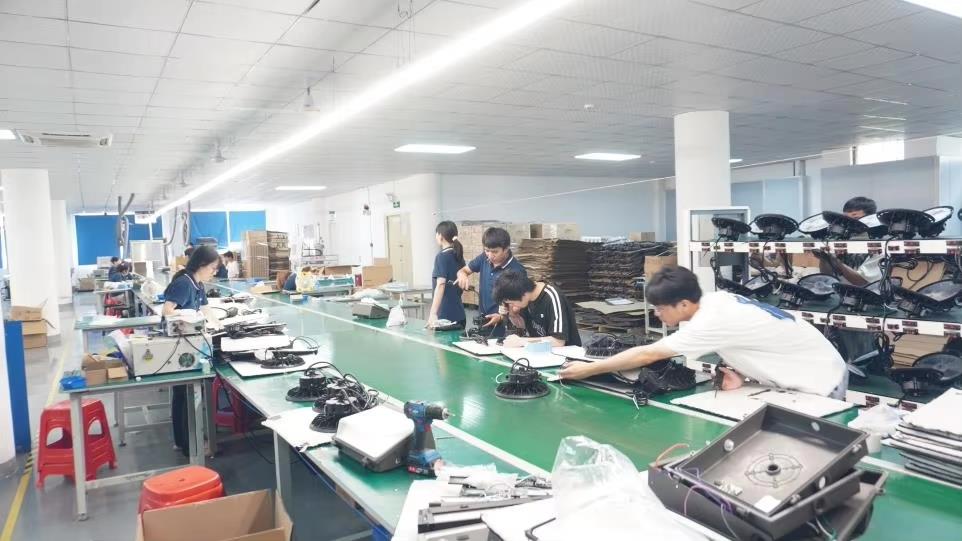
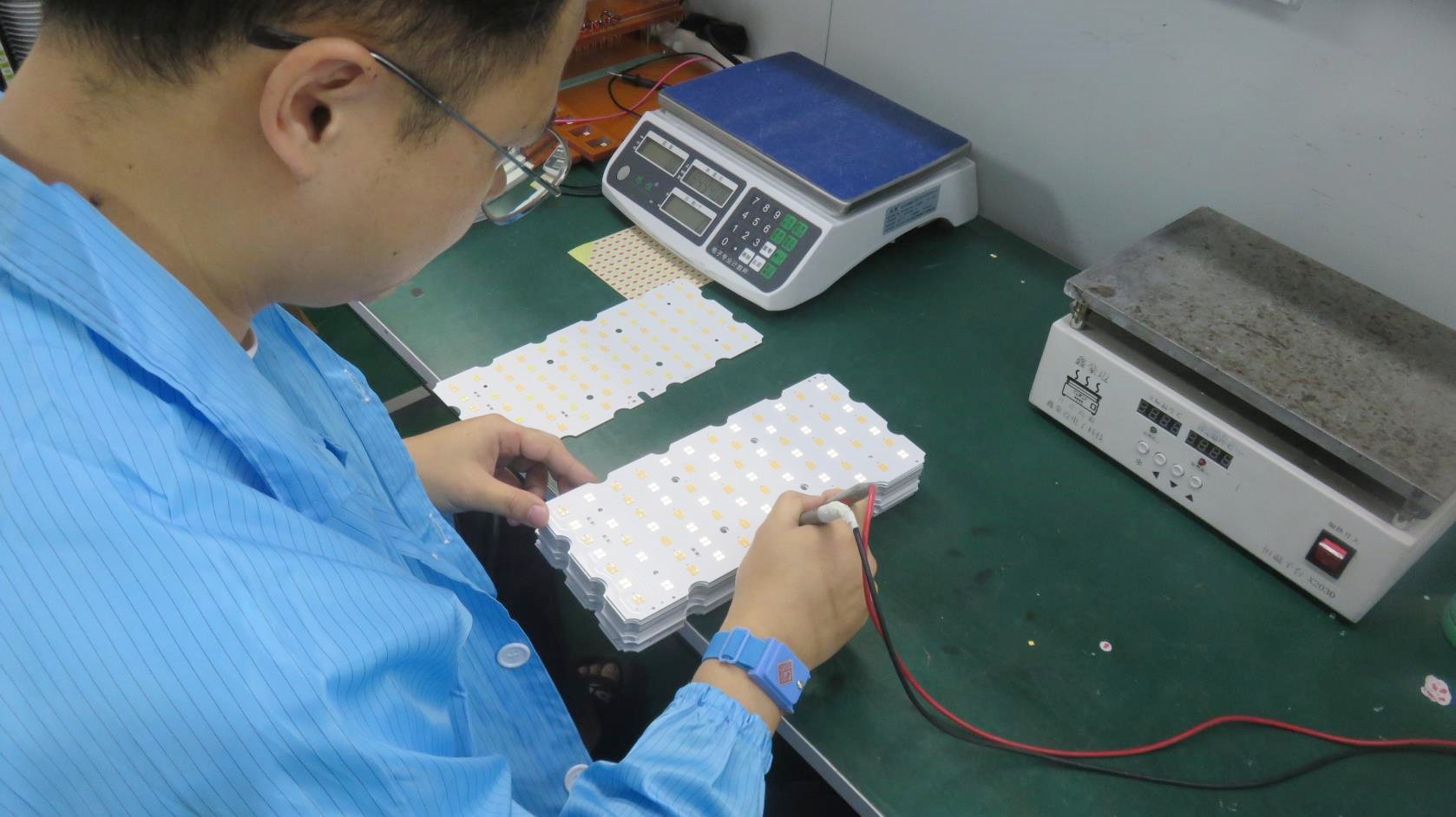
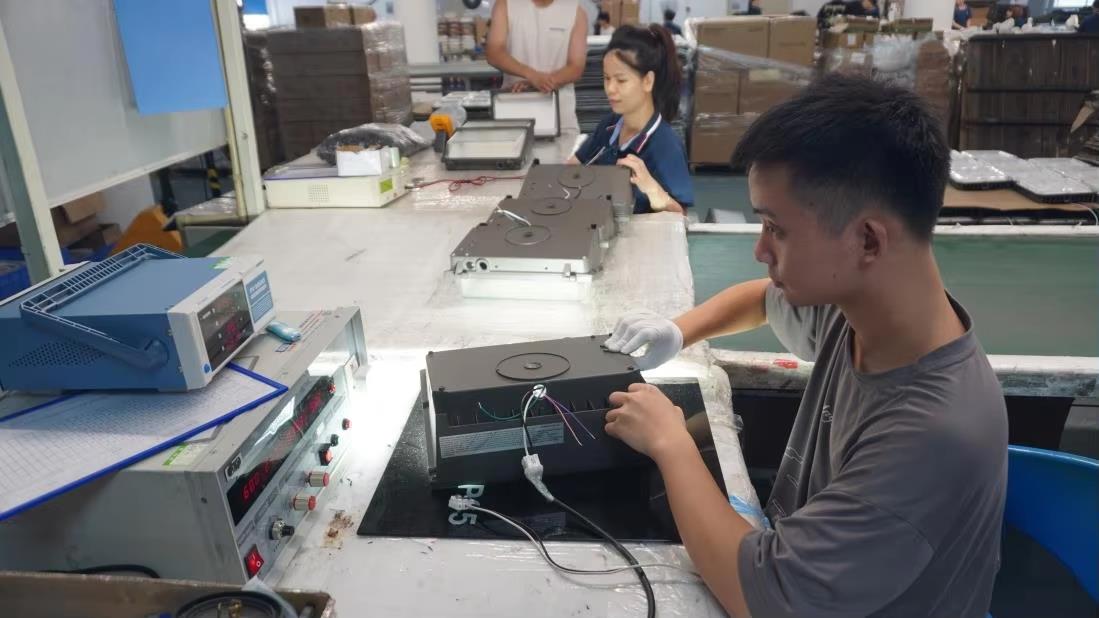
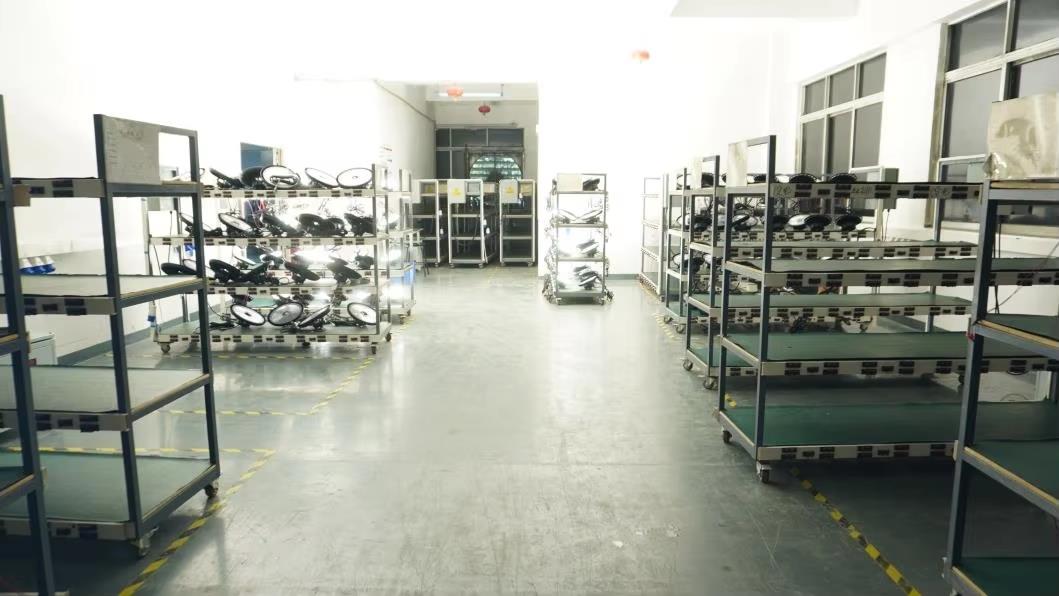
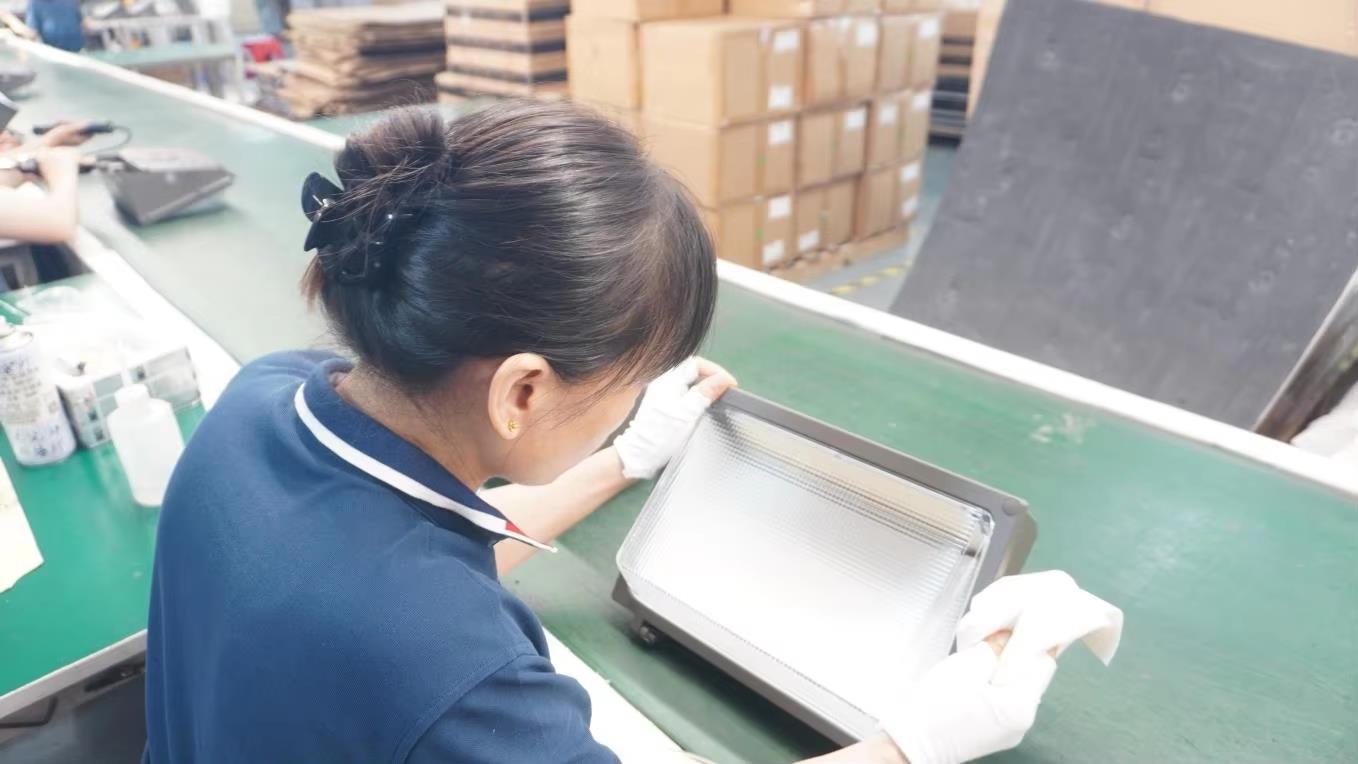
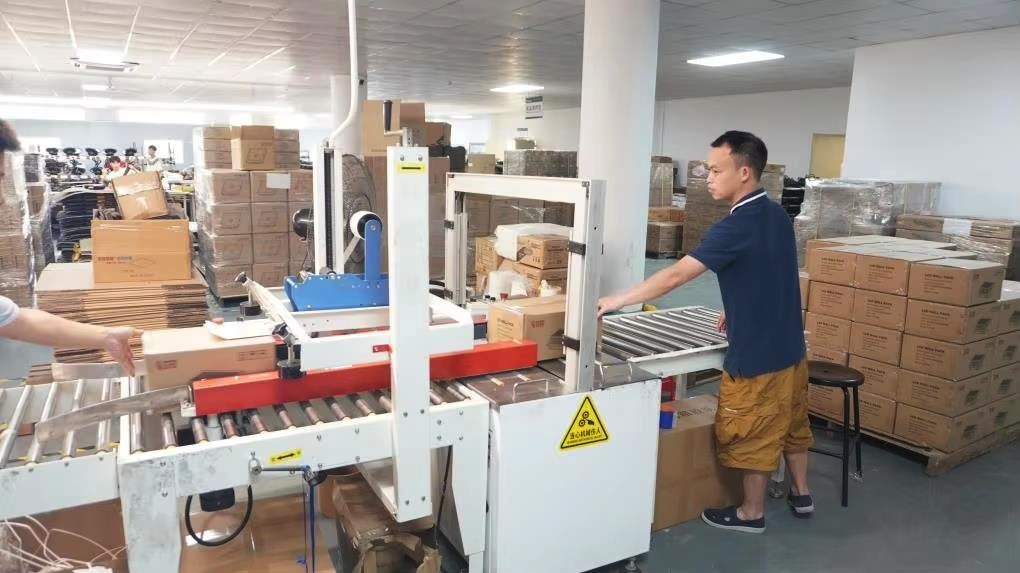
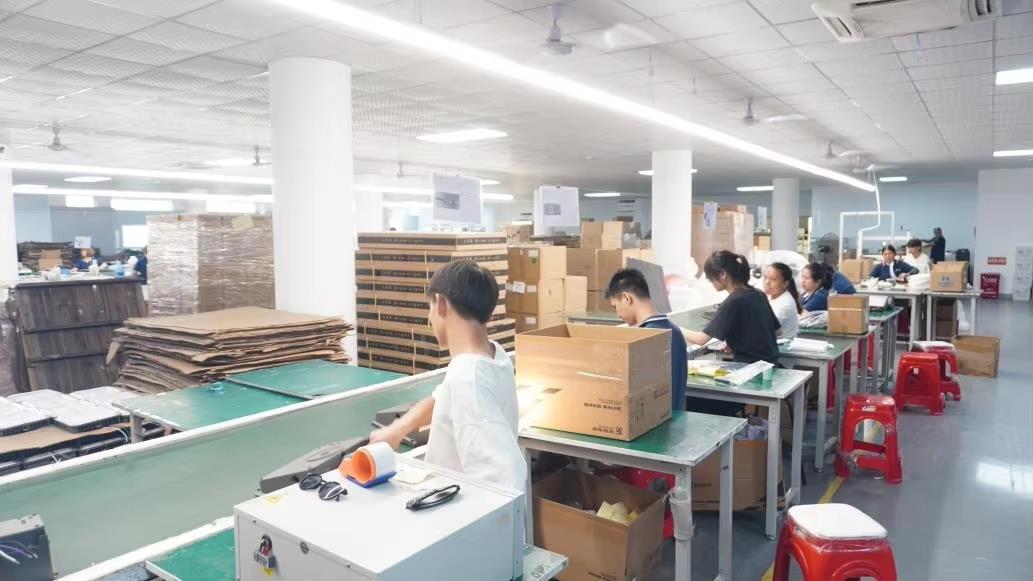
Procuring decorative and architectural vintage lights requires strict attention to structural compliance. Because retro designs often highlight exposed hardware, metallic finishes, and glass elements, they must meet the electrical, environmental, and thermal requirements of the destination country.
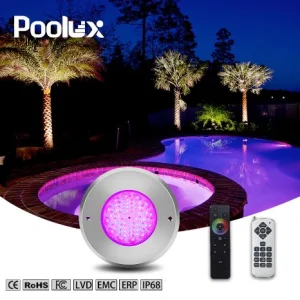
Modern project specifications require heavy-duty performance for both indoor and outdoor setups. While standard consumer retro bulbs are designed for dry indoor spaces, commercial-grade outdoor vintage landscape lighting, underwater pool lights, and pathway indicators must have high ingress protection.
Dorde Lights addresses this with marine-grade 316 stainless steel housings, high-temperature tempered glass seals, and IP67/IP68 submersion ratings. This engineering guarantees long-term performance under constant UV exposure, extreme temperature swings, and chemical contact with chlorinated pool water or saline coastal air.
| Target Market | Core Compliance Certifications Required | Environmental Ingress & Safety Standard | Dimming Protocols & Controls |
|---|---|---|---|
| North America (US & Canada) | UL 1598, ETL Listed, FCC Class B, Energy Star | IP65 Dry/Damp/Wet Location Ratings | Triac Dimmable, 0-10V, Lutron Ecosystem |
| European Union | CE Mark, RoHS Directive, ErP Ecodesign Requirements | IP67, IK08 Impact, Class I/II Insulation | DALI-2 Protocol, Phase-Cut, Zigbee 3.0 Smart Systems |
| United Kingdom | UKCA Safety Standards, BS EN 60598 | IP68 Submersible for Pool/Water features | Triac, DALI, 1-10V Analog Controls |
| Australia & NZ | SAA Certification, RCM Compliance Mark | AS/NZS 60598, Salt-Spray Corrosion Resistant | Phase-Cut, DALI, Smart IoT Wireless Platforms |
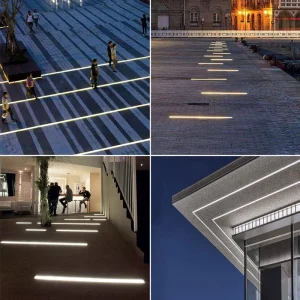
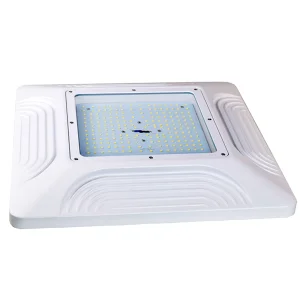
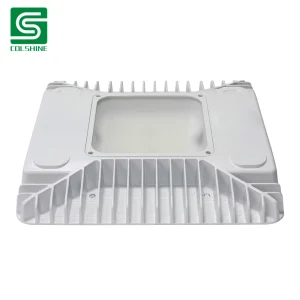
Every architecture project has distinct demands. A premier manufacturer must offer flexible OEM/ODM capabilities. Whether modifying a canopy light for a historic fuel station or engineering custom-length RGBW linear brick lights for a public square, Dorde Lights delivers comprehensive customization:
The decorative and industrial lighting sectors are undergoing rapid technical shifts. Below, we analyze the major market drivers and trends that B2B buyers should anticipate over the next three to five years.
Historically, vintage-style lighting was purely decorative, often producing low-intensity, static, and inefficient illumination. Today’s architectural designs demand functional efficiency alongside aesthetic style. Human-centric lighting (HCL) uses advanced smart systems to adjust both CCT and light intensity throughout the day. It mimics natural daylight patterns to support human circadian rhythms while maintaining the warm, welcoming aesthetic of traditional designs.
Poor heat dissipation remains a primary cause of premature failure in retro and compact decorative LED fixtures. High-end manufacturers now integrate advanced heat-management systems. Using die-cast aluminum cores, thermal phase-change materials (PCM), and optimized airflow channels, modern vintage fixtures prevent heat buildup. This design maintains the junction temperature of the LED chips below 80°C, extending the fixture's working life.
Leading manufacturers are adopting sustainable practices to support global green building certifications (such as LEED and BREEAM). This includes sourcing recycled aluminum, minimizing volatile organic compounds (VOCs) in powder coatings, and utilizing plastic-free, recyclable packaging materials.
 Dorde Lights