Explore the initial tier of high-performance architectural, industrial, and specialized light fixtures engineered for extreme environments.
The global industrial and workshop lighting landscape is undergoing a massive paradigm shift. No longer viewed as merely utility fixtures, modern LED installations are central components of operational efficiency, ergonomics, and smart manufacturing. According to global industrial lighting research, high-quality illumination directly correlates with a 15% increase in worker productivity and up to a 60% reduction in safety incidents.
Today's procurement directors look beyond raw lumen output. True value lies in luminous efficacy (lm/W), unified glare rating (UGR), thermal management systems, and smart control integration (such as DALI-2, Zigbee, and 0-10V analog dimming). Choosing the right workshop light factory determines the long-term return on investment (ROI) of industrial facility retrofits.
"High-performing factory illumination is not a capital expense; it is a long-term operational asset that pays dividends in energy savings, carbon footprint reduction, and employee health."
Integration of motion detection and daylight harvesting is growing at 18.4% CAGR.
Premium industrial projects now mandate a minimum system efficacy of 160 lm/W.
Demand for IP66+ and IK10 ratings is standard for safety and longevity in chemical and manufacturing plants.
A rigorous checklist based on Google Search Quality Rater Guidelines, engineering standards, and real-world industrial compliance.
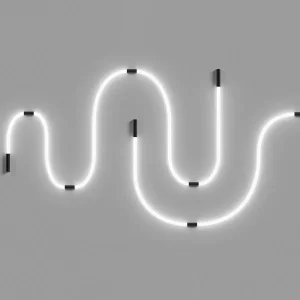
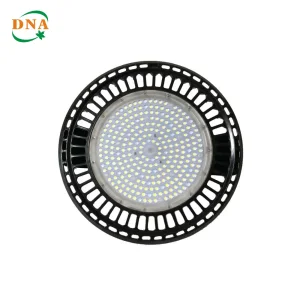
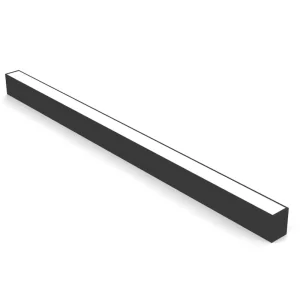
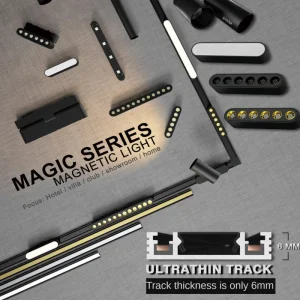
Modern workshop environments combine ambient overhead lighting with highly focused task light sources. Selecting the right combination of high bays, linear systems, and flexible tracks is critical for continuous output:
| Lighting Category | Standard Efficacy | Recommended Application |
|---|---|---|
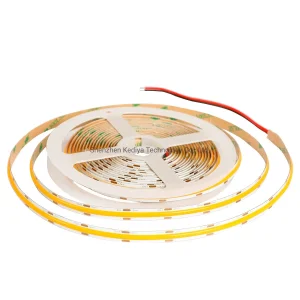
| LED Linear Profiles | 130 - 150 lm/W | Precision Assembly, Quality Control Lines |
| Heavy Industrial High Bays | 160 - 200 lm/W | High-Ceiling Warehouses, Foundries |
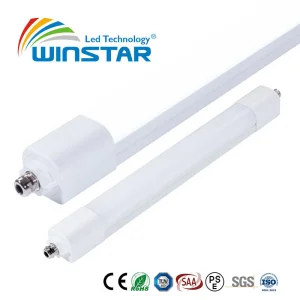
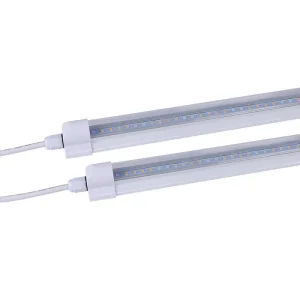
| Tri-Proof Battens | 140 - 160 lm/W | Food Processing, Wet Locations, Garages |
| Magnetic Track Lights | 100 - 120 lm/W | Design Labs, Prototyping Offices |
Many top 10 workshop light manufacturers act purely as assembly lines, but the elite class offers extensive OEM & ODM capabilities. Industrial facilities are rarely uniform. Variation in ceiling heights, ambient operating temperatures (-40°C to +60°C), and chemical exposures require custom fixtures.
Experienced suppliers offer custom PCB board modifications, customized beam angles (60°, 90°, 120°, and asymmetric optical lenses), and tailored dimming protocols. Partnering with a manufacturer that possesses deep physical testing machinery (e.g., IP dust/water ingress chambers and salt spray testers) protects your operation against premature system failure.
A Case Study in Advanced Industrial Manufacturing, High-Performance Optoelectronic Engineering, and Quality Control.
Founded in 2007, Guangdong Dorde Lights Co. Ltd. is a professional manufacturer specializing in LED lighting solutions for residential, commercial, and industrial applications. With years of experience in the lighting industry, the company is committed to delivering reliable, energy-efficient, and high-performance lighting products to customers worldwide.
Dorde Lights is dedicated to the research, development, and production of modern LED lighting products. By combining practical engineering with contemporary design, they aim to create lighting that is both functional and visually refined. Their modern manufacturing facility operates under strict quality guidelines to guarantee physical longevity, consistent lumens-per-watt, and long-term stability.
At Dorde Lights, long-term success comes from trust and consistency. They are committed to maintaining close cooperation with partners and continuously improving products and services to adapt to evolving market demands. Their vision is to become a trusted global LED lighting manufacturer recognized for quality, innovation, and customer-focused solutions.
Tailored options for distributors, global contractors, and lighting brand owners looking for custom form factors.
Direct integration with certified raw materials suppliers, minimizing raw materials variation and securing stable pricing.
100% of finished fixtures undergo multi-hour high-voltage aging tests, thermal scanning, and color temperature verification.
Step-by-step trace of the optoelectronic engineering procedures deployed within the Dorde Lights manufacturing facility.
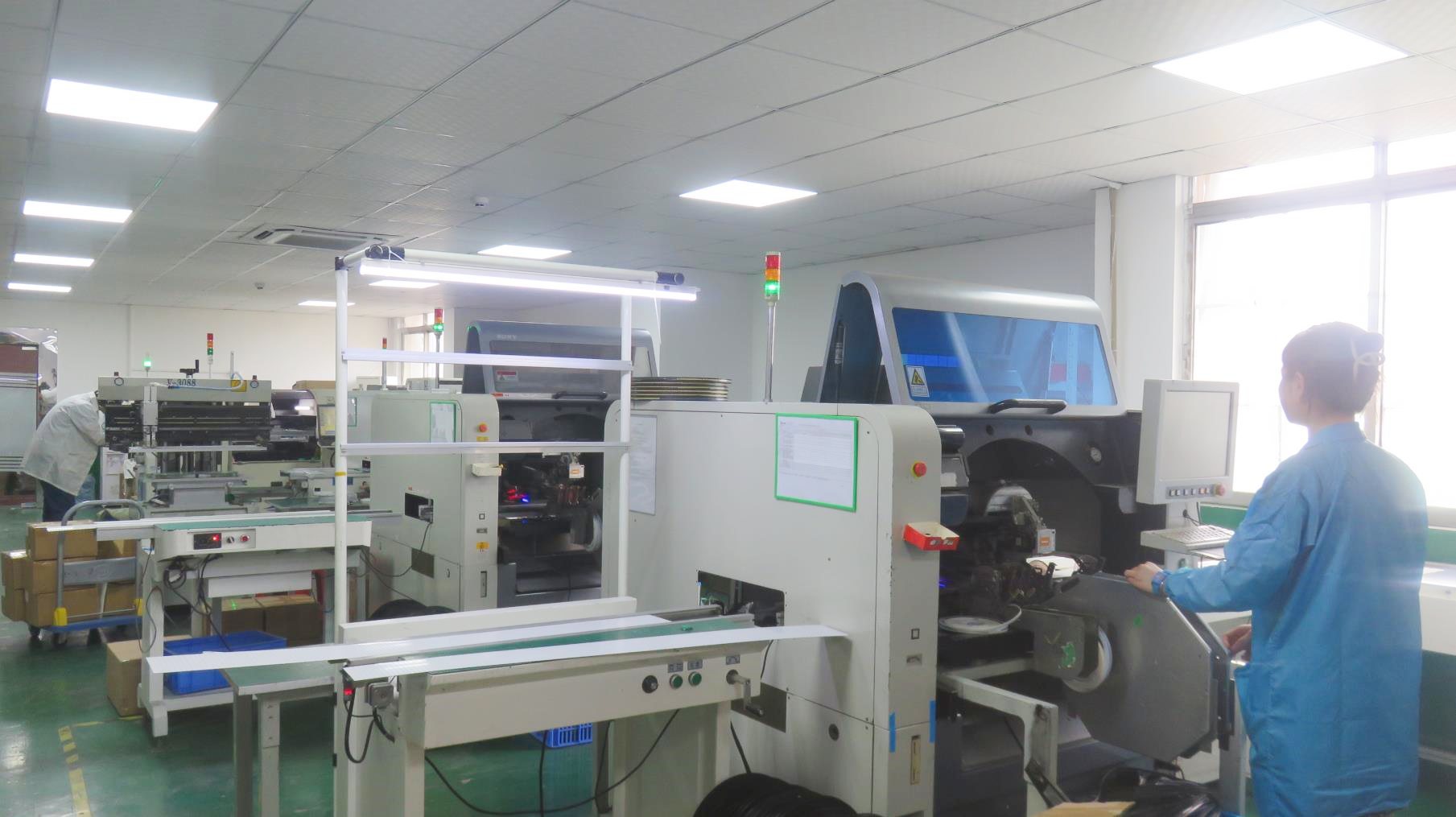
Surface Mount Technology places micro LED chips onto metal core PCBs with extreme spatial precision.
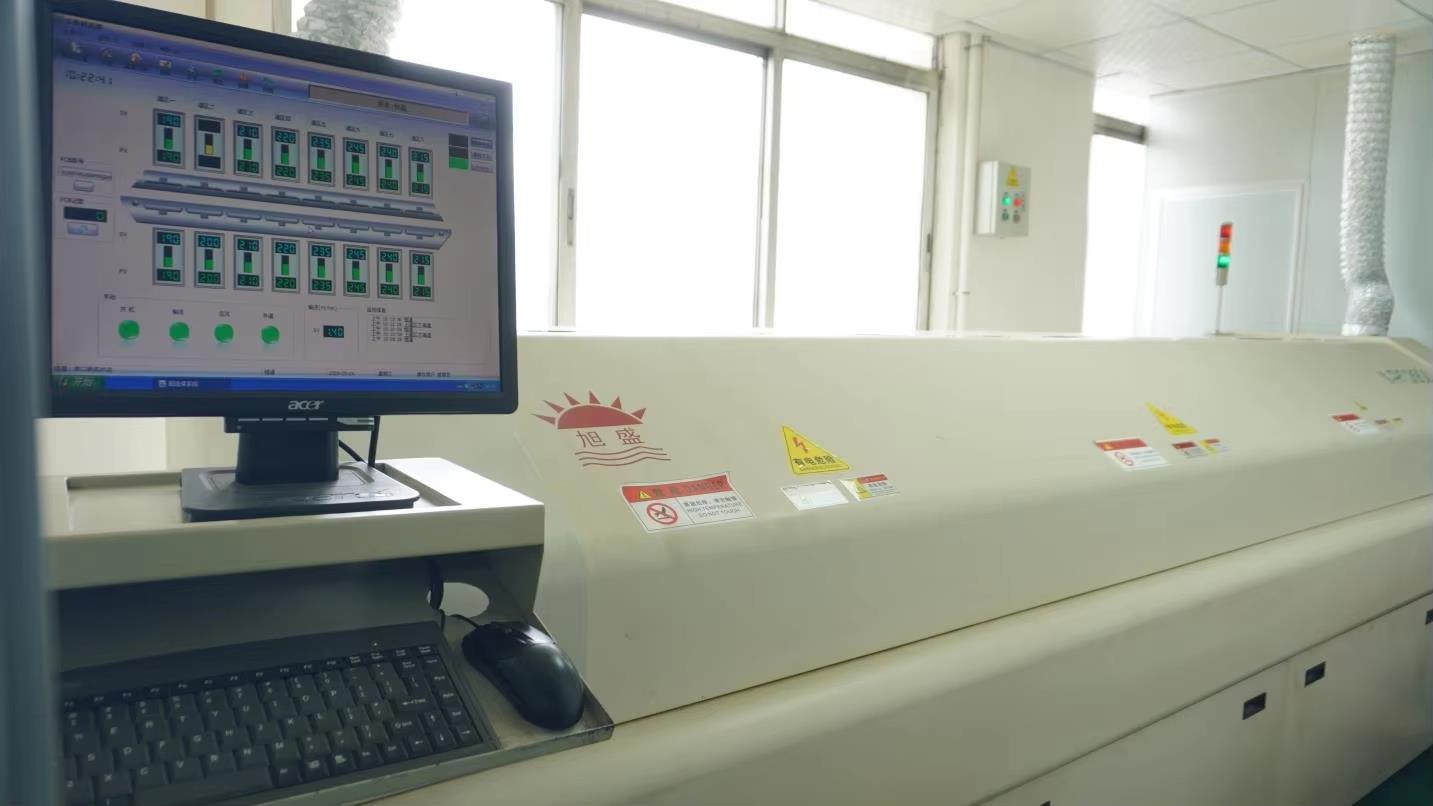
Thermal bonding of components using temperature-controlled profiles to ensure zero solder joint failures.
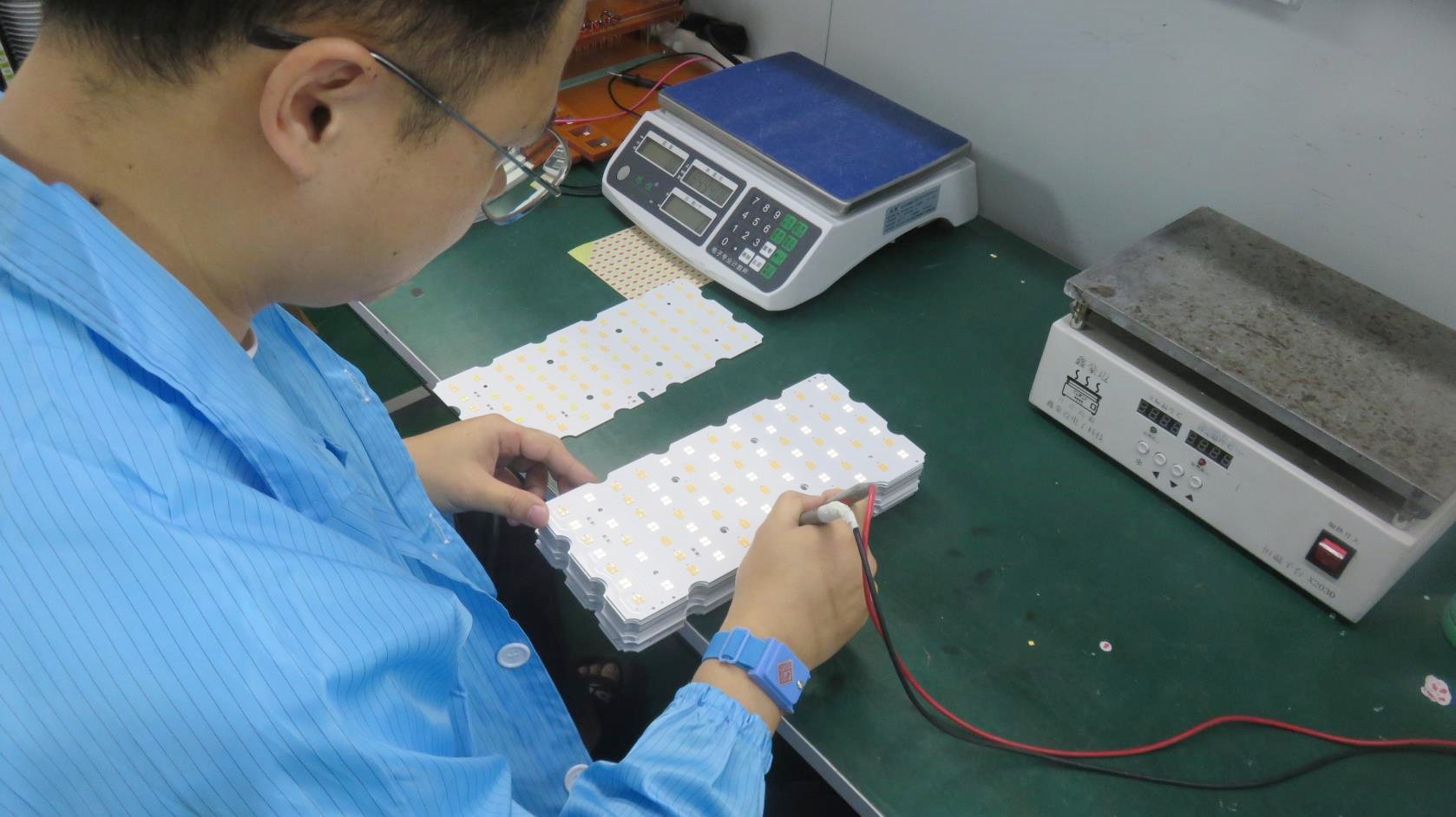
Initial optoelectronic inspection verifying electrical stability, voltage limits, and structural solder integrity.
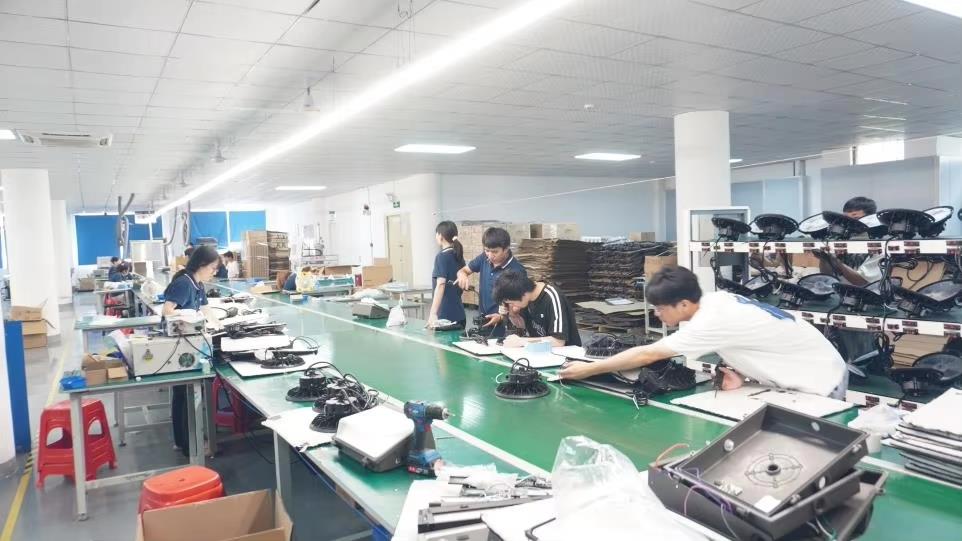
Housing, lenses, thermal management structures, and drivers are assembled by certified technicians.
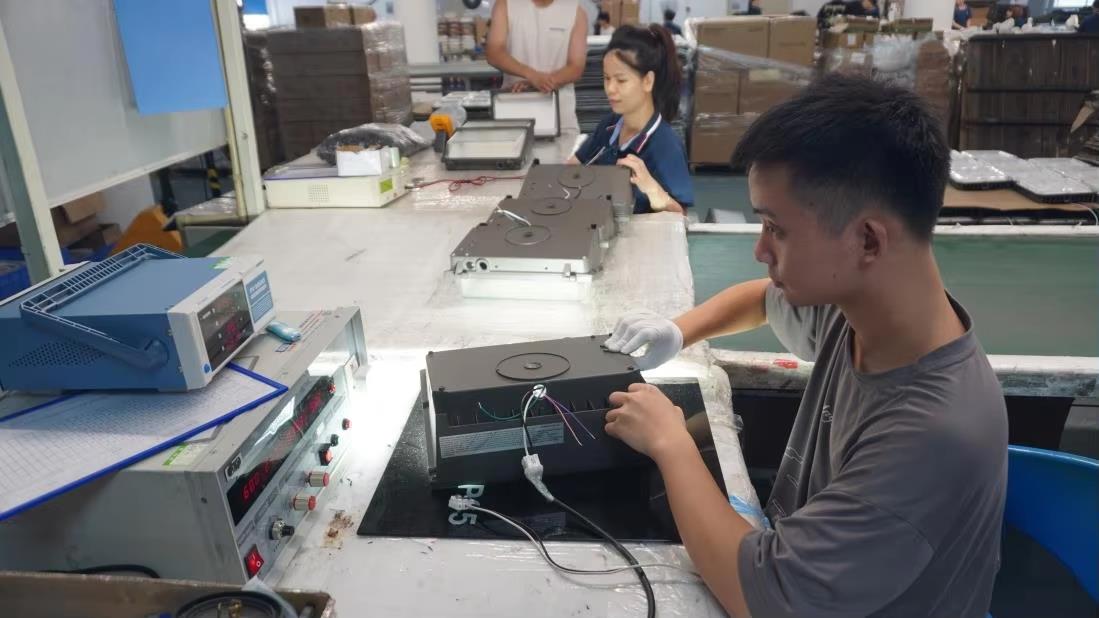
Functional power-up test to verify initial lumen emission, beam pattern, and component compatibility.
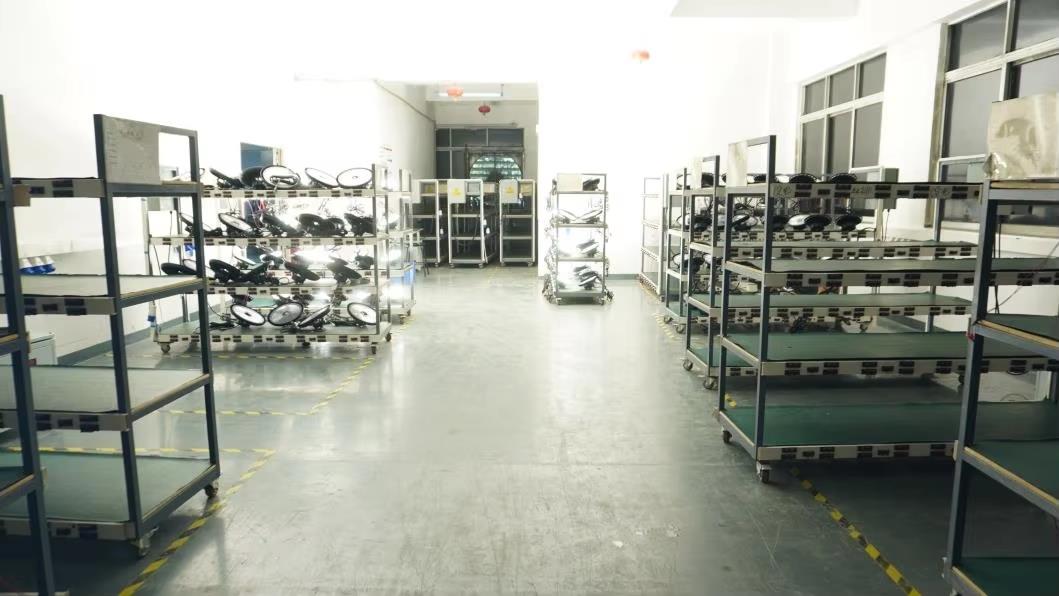
Continuous operation under high ambient voltage to isolate infant mortality failures in drivers and LEDs.
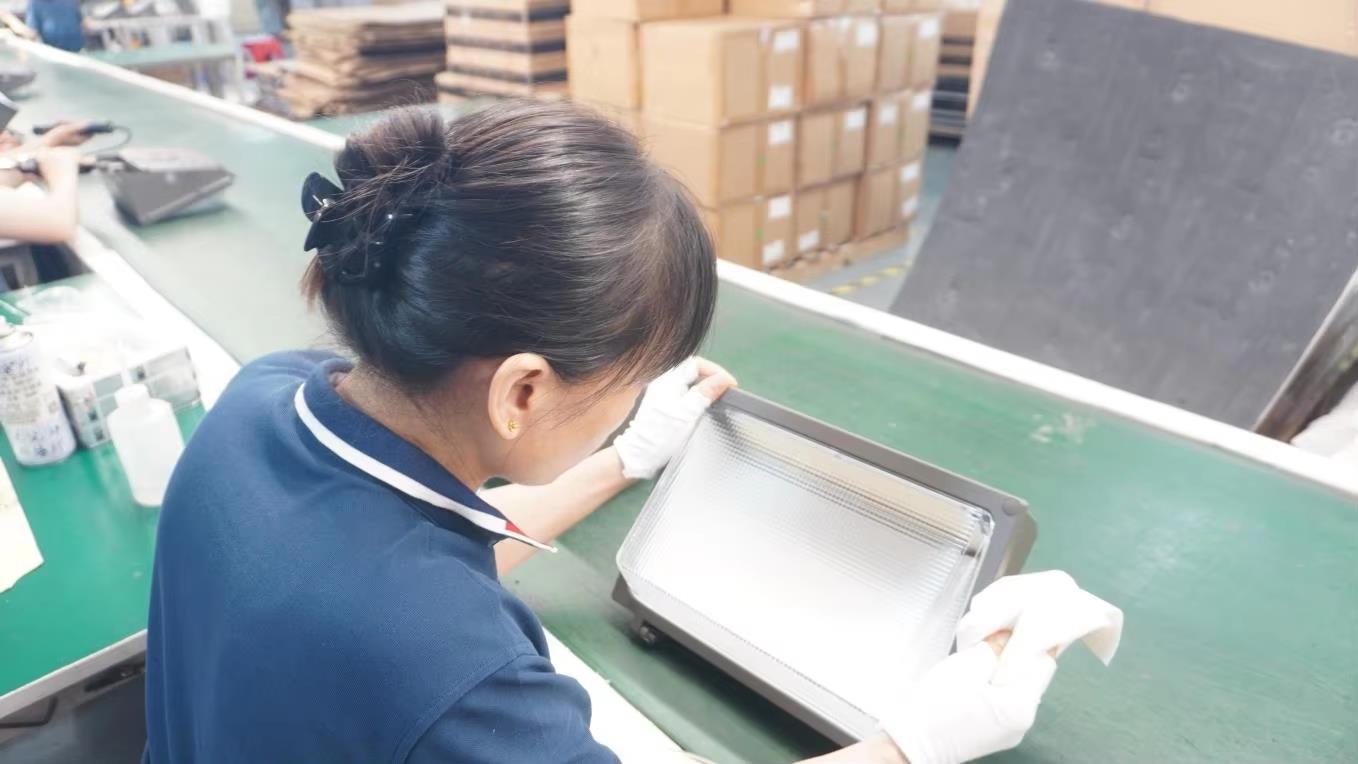
Final manual and optical quality audit verifying housing finish, label accuracy, and IP seals.
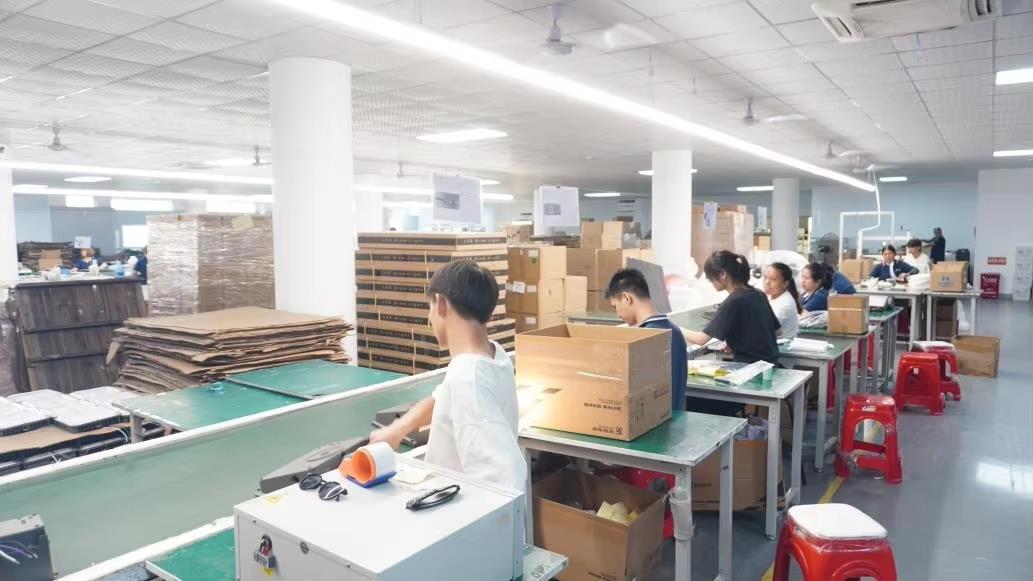
Placing finished products into protective shock-absorbing inner boxes with manual documents.
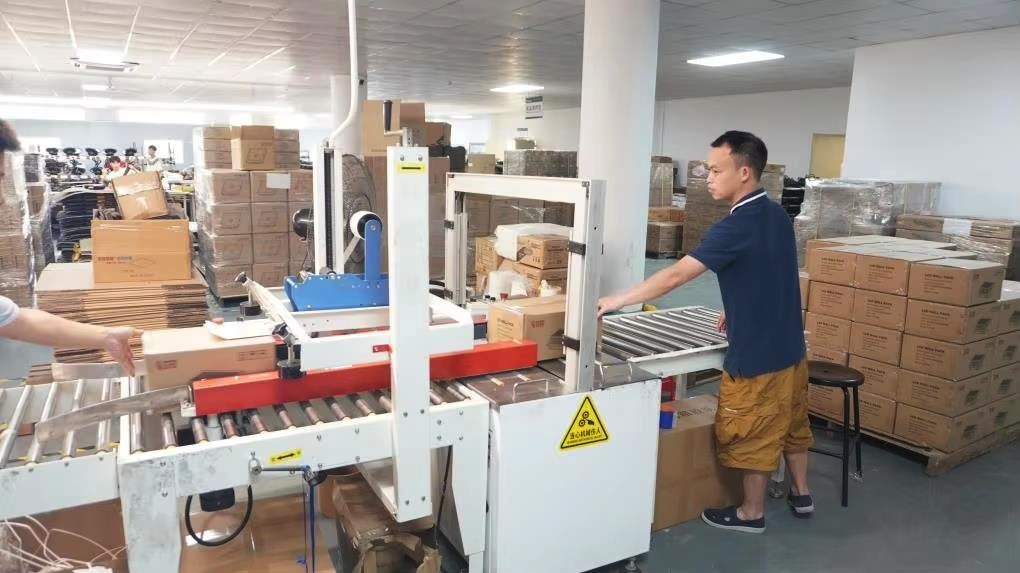
Automated strapping and securing of outer master cartons to prevent shipping vibration damage.
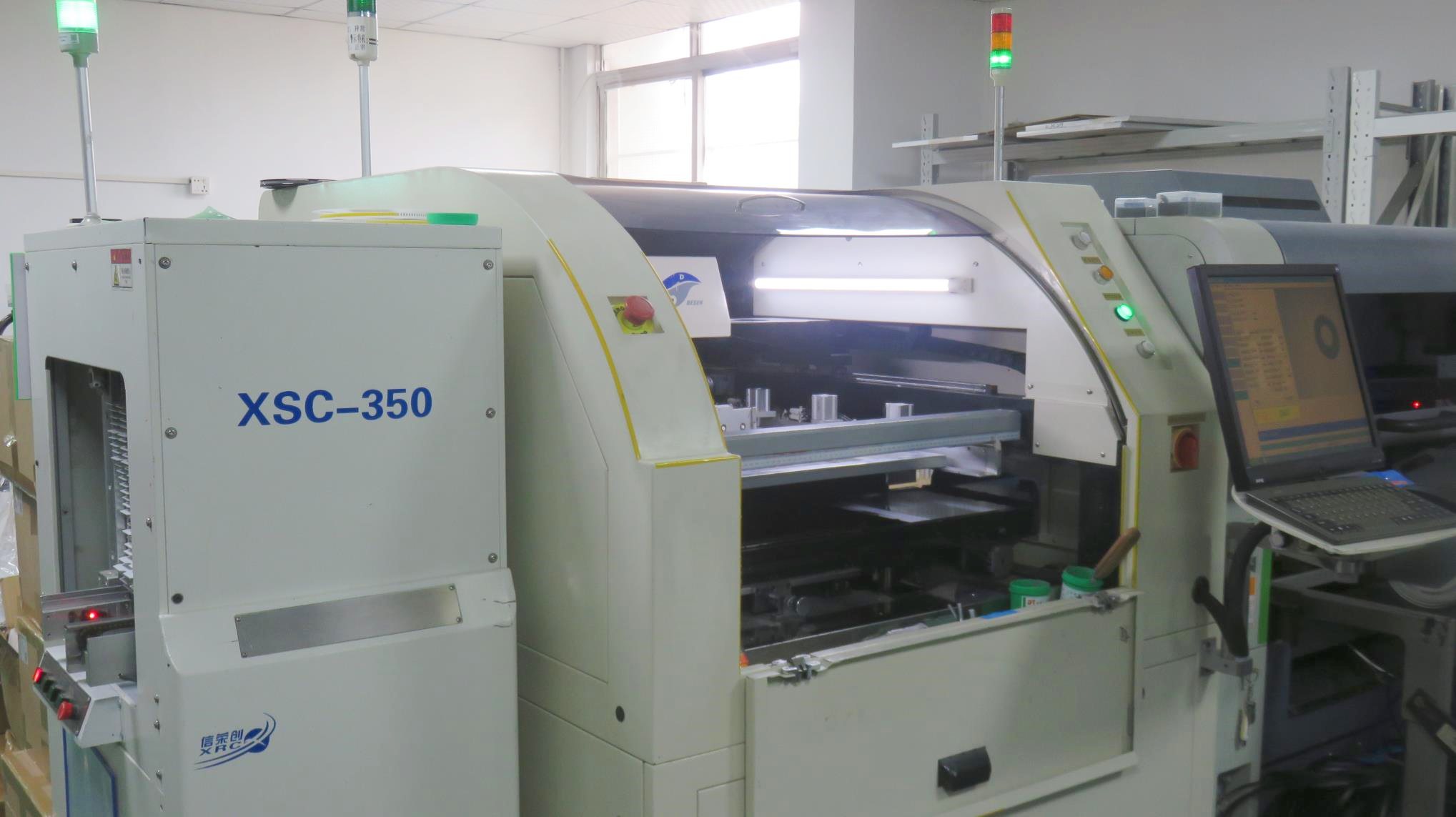
High-resolution technical specifications, safety labels, and QR traceability code printing.
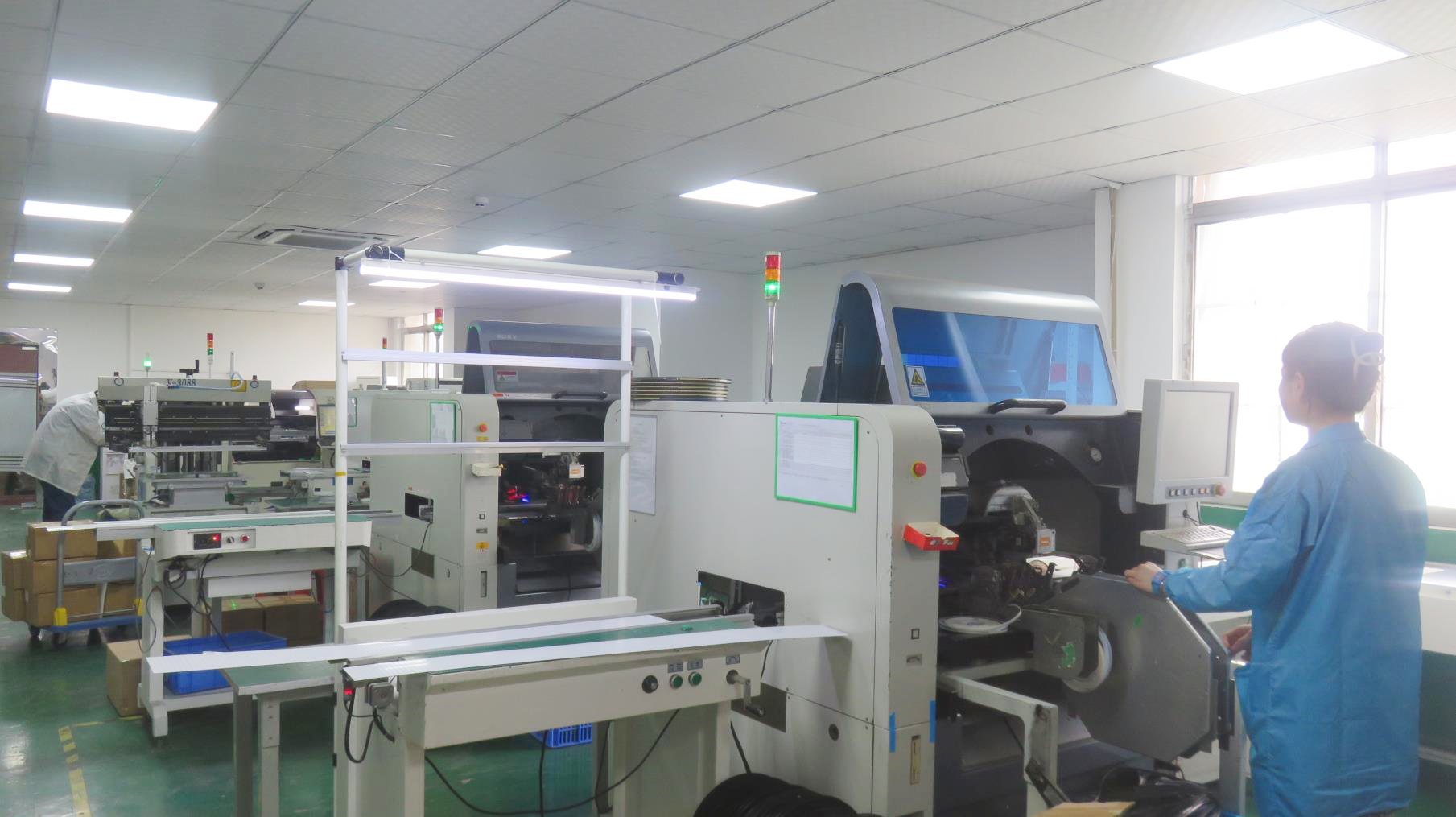
Auxiliary high-speed production line dedicated to custom architectural lighting prototypes and fast-track orders.
Adapting physical light properties to extreme scenarios, varying climates, and smart environments.
High vibrations, airborne dust, and high temperatures require fixtures with rugged housings (IK10 impact rating) and passive cooling technology. Solid-state, die-cast aluminum prevents dynamic component failure and ensures dust does not enter optical paths.
Low-temperature warehouses cause condensation and driver stress. Tri-Proof LED fixtures with IP66 or IP69K ratings prevent moisture ingress. These fixtures maintain system efficiency even at -30°C.
Aisle-specific narrow beam optics focus light directly onto racking systems, avoiding glare for forklift drivers. Built-in motion sensors lower light output when aisles are empty, saving up to 75% on energy costs.
Looking ahead, industrial workshop lighting is moving toward integration with the Industrial Internet of Things (IIoT). Factories are shifting from basic timers to wireless mesh networks that utilize DALI protocols. These setups report system faults, power draw, and real-time environment occupancy.
Additionally, Human-Centric Lighting (HCL) is becoming a priority. By dynamically adjusting the color temperature (CCT) from warm white (3000K) to cool daylight (6500K) throughout a 24-hour shift, factory operators can regulate workers' circadian rhythms. This reduces fatigue and boosts output during night shifts.
Choosing modern LEDs with a high Color Rendering Index (CRI > 90) helps prevent assembly errors, especially in wiring, paint shops, and electronic board assembly lines.
Quick answers to technical, commercial, and installation questions about industrial LED lighting.
These ratings show how well a fixture resists dust and water. IP65 protects against low-pressure water jets from any direction. IP66 protects against high-pressure water jets, making it ideal for washdown bays. IP68 means the fixture can be fully submerged, which is necessary for underwater, pool, or heavy marine setups.
The IK rating indicates resistance to mechanical impact. An IK10 rating means the fixture can withstand a 20-joule impact (equivalent to a 5kg weight dropped from 40cm). This prevents damage from forklifts, cranes, or dropped tools.
Cooler white light (5000K to 6500K) suppresses melatonin production, which keeps workers alert and reduces fatigue. Warm light (3000K to 4000K) is better suited for breakrooms, offices, and residential spaces.
CRI measures how accurately a light source shows colors compared to natural daylight. A CRI of 90+ is crucial in electronics, painting, and automotive assembly, where matching colors accurately prevents costly errors.
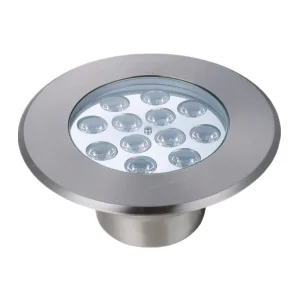
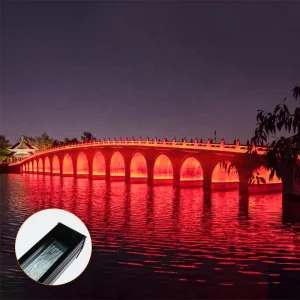
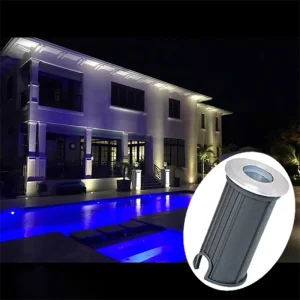
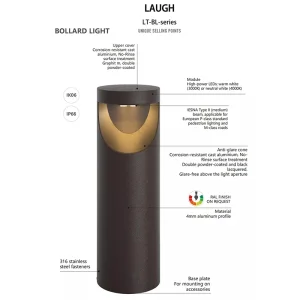
Explore the second tier of industrial floodlights, dynamic wall washers, underground garden path lights, and hazardous location lighting.
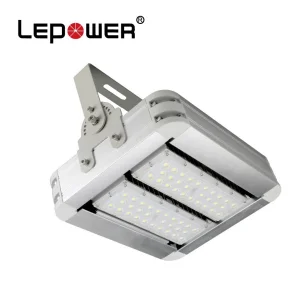
 Dorde Lights