Guiding Global Enterprises with High-Performance Optical Engineering, Resilient Supply Chain Configurations, and Custom Specifications for Commercial and Industrial Architectural Environments.
Select high-performance lighting solutions engineered for heavy-duty operational environments, certified to international standards.
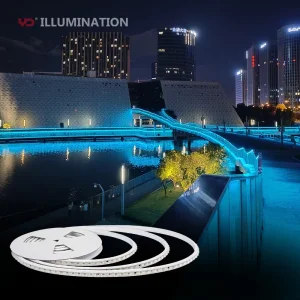
Deciphering the convergence of solid-state optics, IoT-enabled control topologies, and structural engineering within high-power luminaire systems.
Modern industrial, architectural, and commercial infrastructure relies heavily on highly optimized lighting environments. Beyond simple lumens-per-watt efficiencies, modern system specifiers look for sophisticated optical layouts, strict glare controls, and intelligent operations. The transition from general-purpose architectural illumination to highly focused spot and flood light topologies is driven by the demand for customized optical profiles that match exact physical configurations. For global procurement agents, distributors, and engineering contractors, sourcing custom OEM spot flood lights involves assessing several core performance factors: thermal dissipation limits, color rendering metrics, optical control layouts, and supply chain reliability.
Choosing an industrial manufacturing partner involves moving beyond standard catalog items and focusing on flexible OEM/ODM platforms. True technical flexibility means having the engineering capability to adapt LED array configurations, integrate specific driver systems (such as Mean Well, Inventronics, or Sosen), and customize beam shapes for unique applications. In high-power operations ranging from 50W to 300W and above, maintaining thermal stability at the LED junction is critical to protecting the system's lifespan and ensuring stable light output over time.
Information Gain Insight: The true cost of industrial lighting is not determined by initial purchase price, but by Total Cost of Ownership (TCO). This metric includes the direct costs of installation and energy consumption, combined with secondary expenses related to downtime, system maintenance, and lighting degradation. Highly customized optics that match the exact installation layout can reduce overall energy demand by 15% to 30% by cutting down on light spill and directing light only where it is needed.
The technological forces shaping the future of global spot flood light engineering and architectural integration.
Standard reflector cones are being replaced by customized Total Internal Reflection (TIR) lens arrays. This allows spot flood lights to deliver precise control, with beam options ranging from narrow 5° spots for architectural highlights to wide asymmetric beams for broad area lighting, minimizing glare and light pollution.
Modern floodlights are designed to integrate easily with digital networks. DALI-2, Zigbee, and 0-10V dimming interfaces allow installations to connect with Building Management Systems (BMS), enabling automated scheduling, daylight harvesting, and real-time power monitoring.
Industrial applications now benefit from adjustable color temperatures and tunable spectrums. Modern LED components allow real-time transitions from warm 2700K tones to crisp 6500K daylight settings, adapting to shifting operational shifts or changing weather conditions.
Heavy-duty thermal management relies on advanced graphene-based thermal interfaces and ADC12 die-cast aluminum alloys. Passive cooling systems keep junction temperatures low, ensuring stable operation even in extreme desert or marine conditions.
Procurement professionals managing projects for municipal infrastructures, marine ports, industrial warehouses, or hazardous chemical facilities look for specific compliance and quality indicators. A simple catalog specification sheet is rarely enough; complex projects require detailed compliance documentation and testing evidence. Below is a breakdown of the typical requirements demanded by global engineering firms:
| Performance Metric | Target Standard | Critical Function / Protection Objective |
|---|---|---|
| Luminous Efficacy | ≥ 140 lm/W to 170 lm/W | Reduces operational energy costs and matches modern environmental and sustainability criteria. |
| Ingress Protection (IP) | IP66 / IP67 / IP68 | Prevents moisture, dust, and water ingress under harsh washing down cycles and tropical storm environments. |
| Impact Resistance | IK08 / IK10 Rated | Guards optical lens arrays and aluminum structural housings from mechanical damage and falling debris. |
| Explosion Safety | ATEX / IECEx Zone 1 & Zone 2 | Mandatory for chemical storage areas, refining facilities, and mining sites to prevent spark ignition. |
| Color Quality | CRI ≥ 70 (Industrial) / ≥ 90 (Architectural) | Provides clear visibility for safety monitoring and accurate color representation for retail or public installations. |
| Surge Protection | 10kV to 20kV Integrated SPD | Protects sensitive driver circuitry from lightning strikes and grid fluctuations. |
To meet these requirements, manufacturers must focus on precise, certified performance rather than generic claims. Guangdong Dorde Lights Co. Ltd. addresses these demands directly, testing every custom project to ensure it meets international compliance and quality standards.
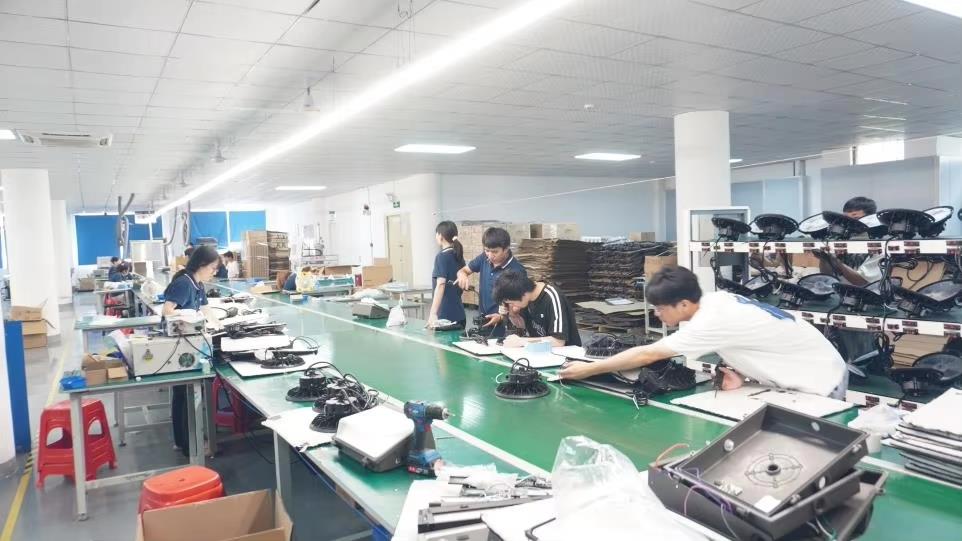
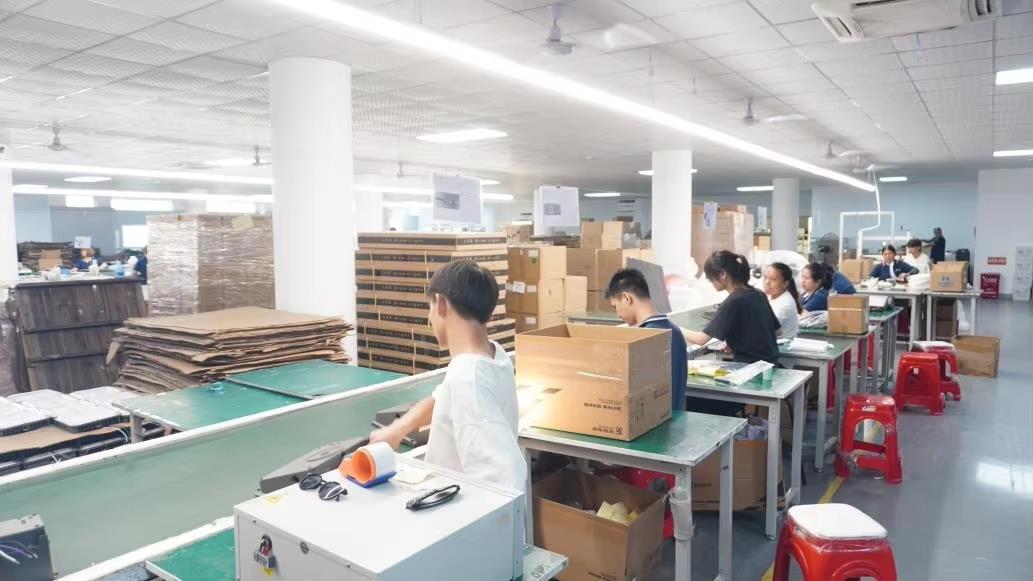
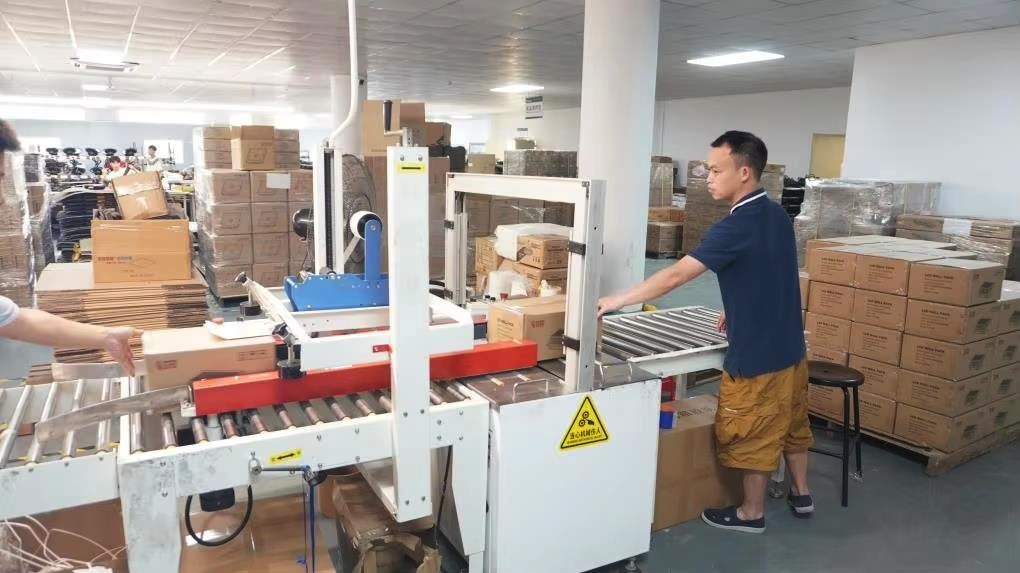
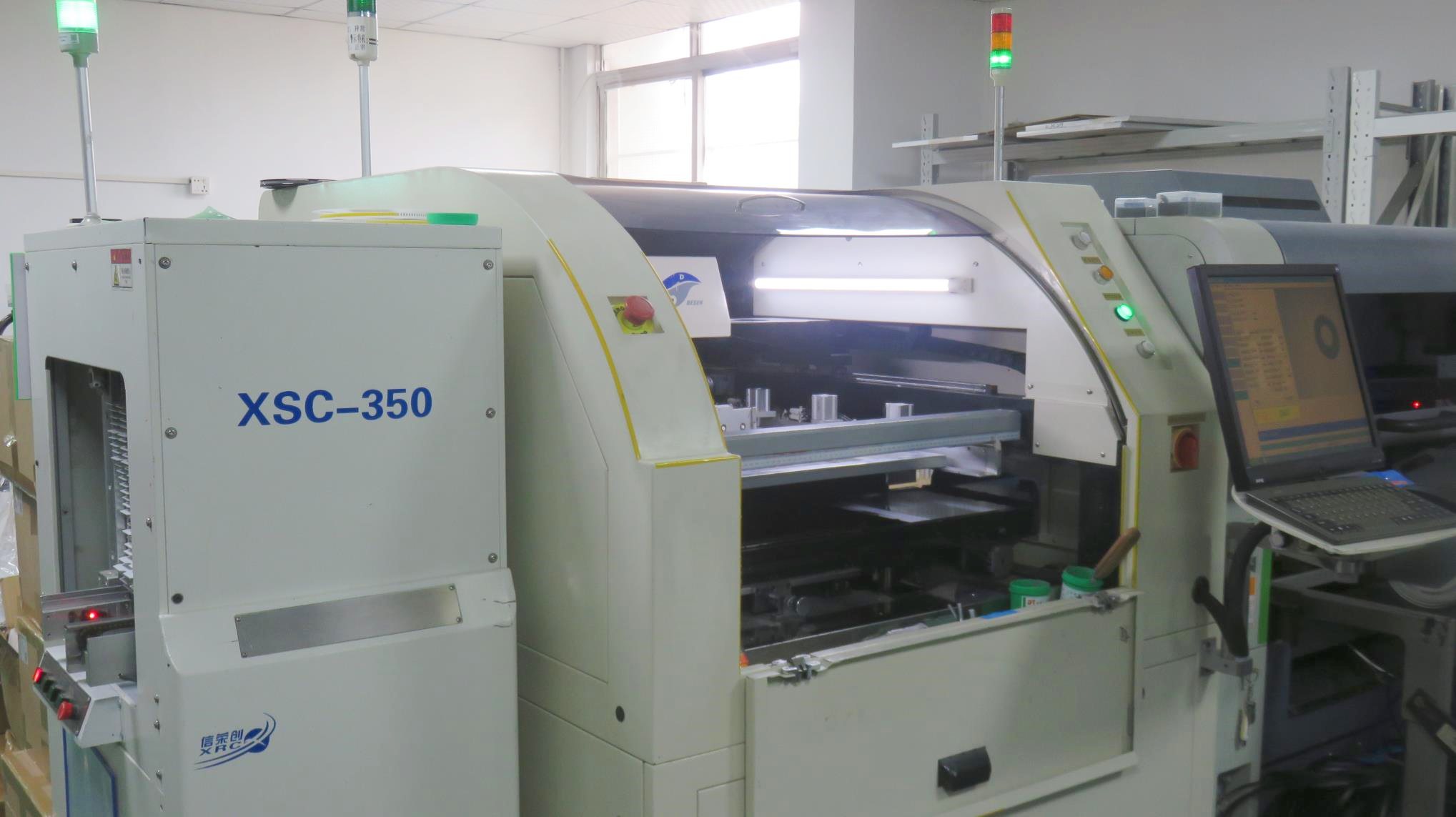
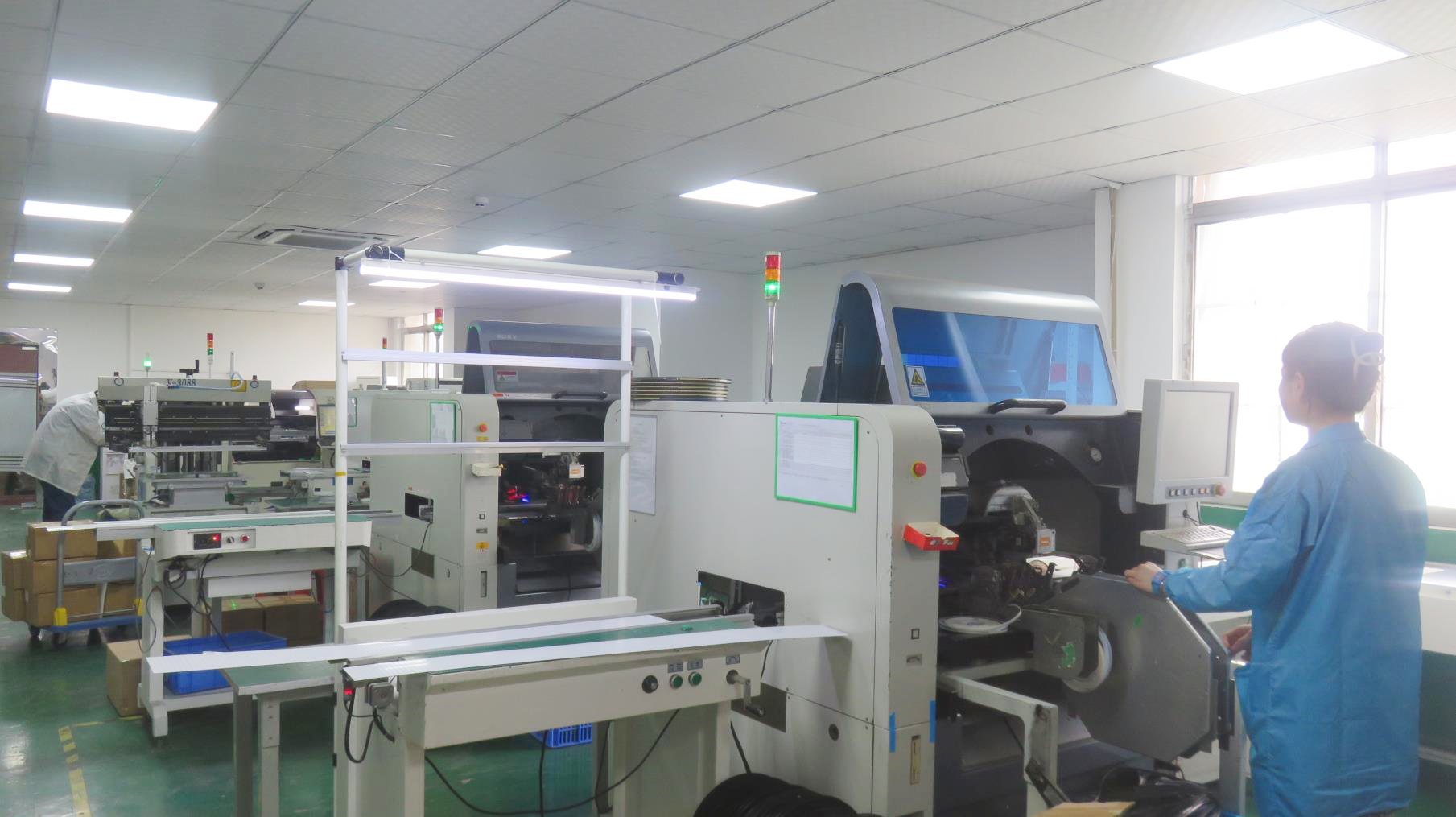
The global lighting supply chain is constantly changing. To maintain a competitive edge, manufacturers must go beyond traditional manual assembly. Working with a modern Chinese factory means benefiting from advanced manufacturing technologies and integrated supply networks. At Guangdong Dorde Lights Co. Ltd., our operations combine high precision, fast turnaround times, and reliable quality controls to support projects around the world.
Key performance indicators showcasing our manufacturing footprint and quality standards.
Established in 2007, we specialize in high-performance LED lighting solutions for residential, commercial, and industrial projects worldwide.
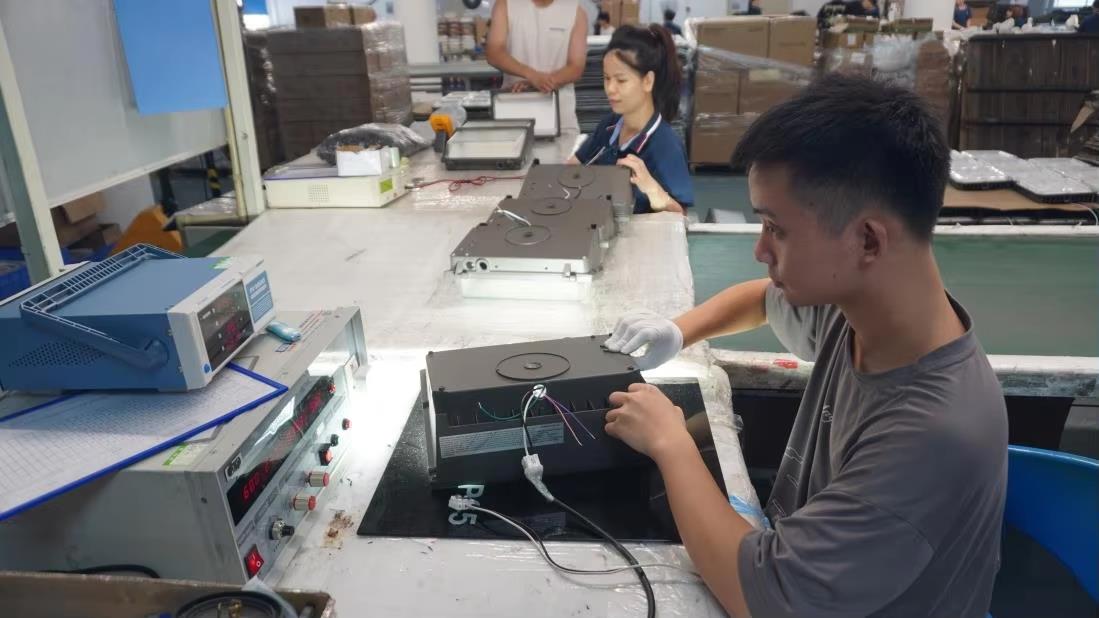
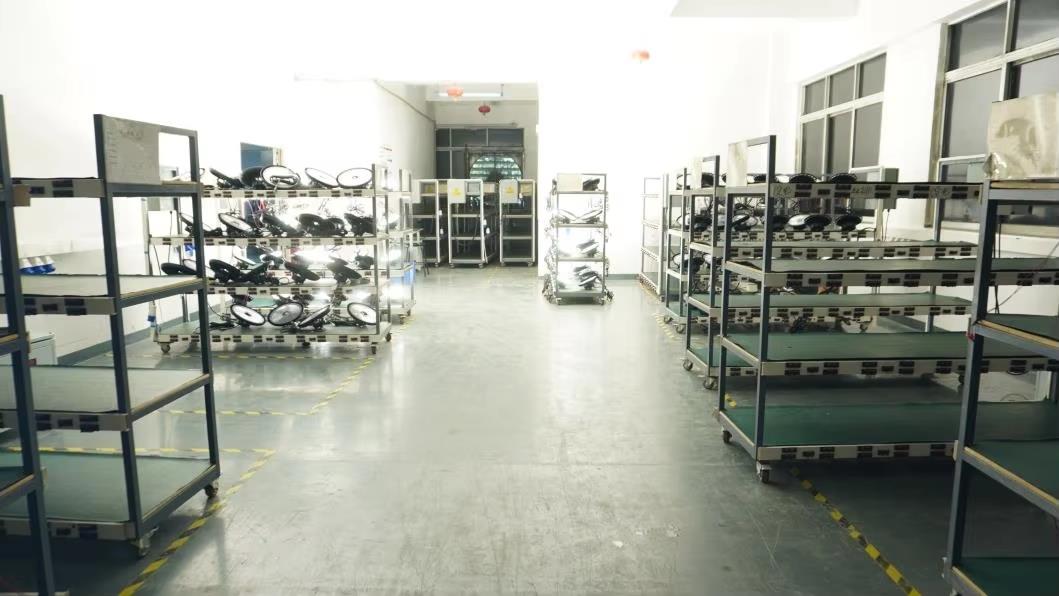
By combining practical engineering with modern design, we create reliable, energy-efficient, and functional lighting solutions. Our production system follows strict quality controls at every stage—from material selection to final packaging—ensuring long-term reliability for our partners.
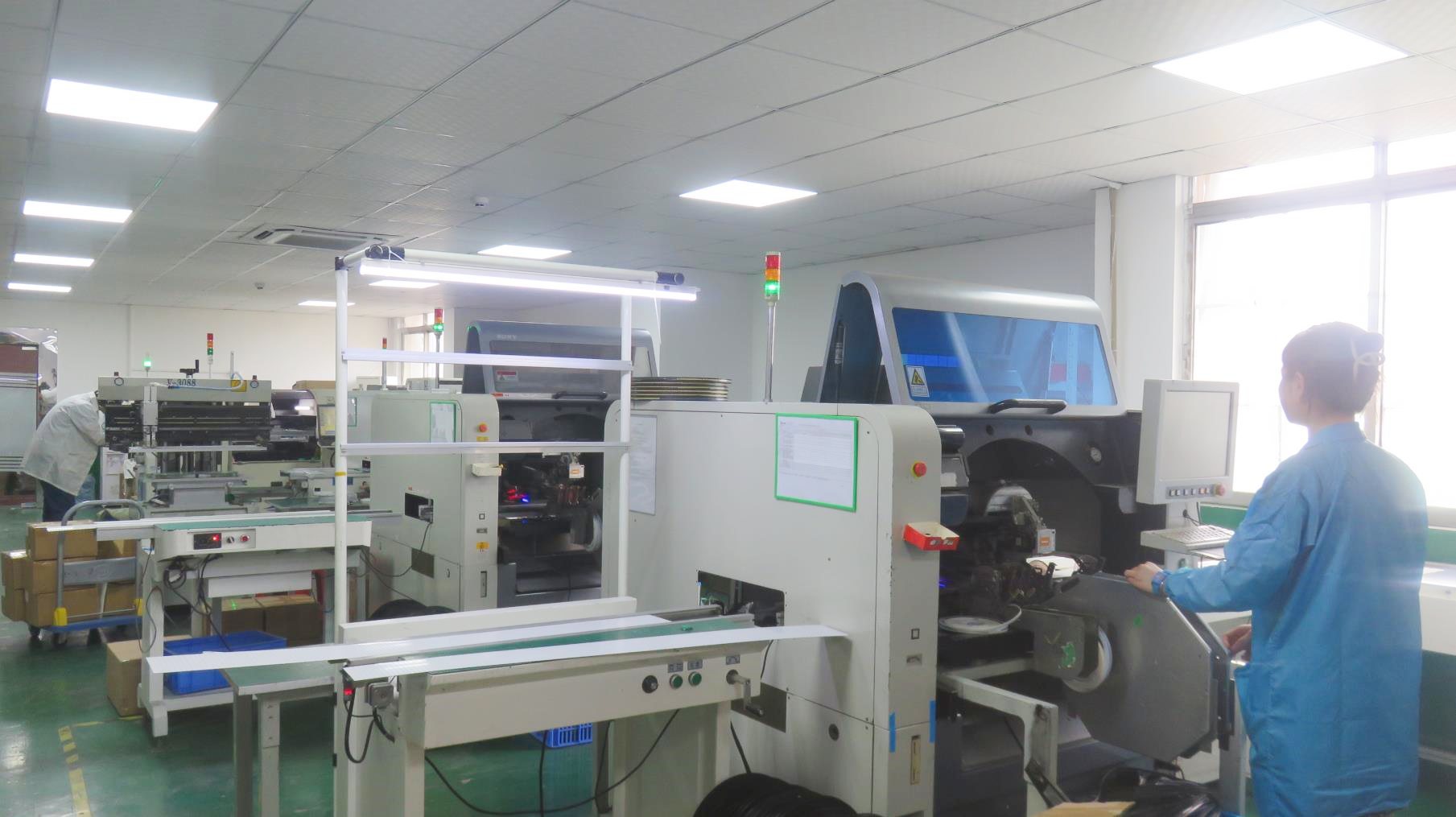
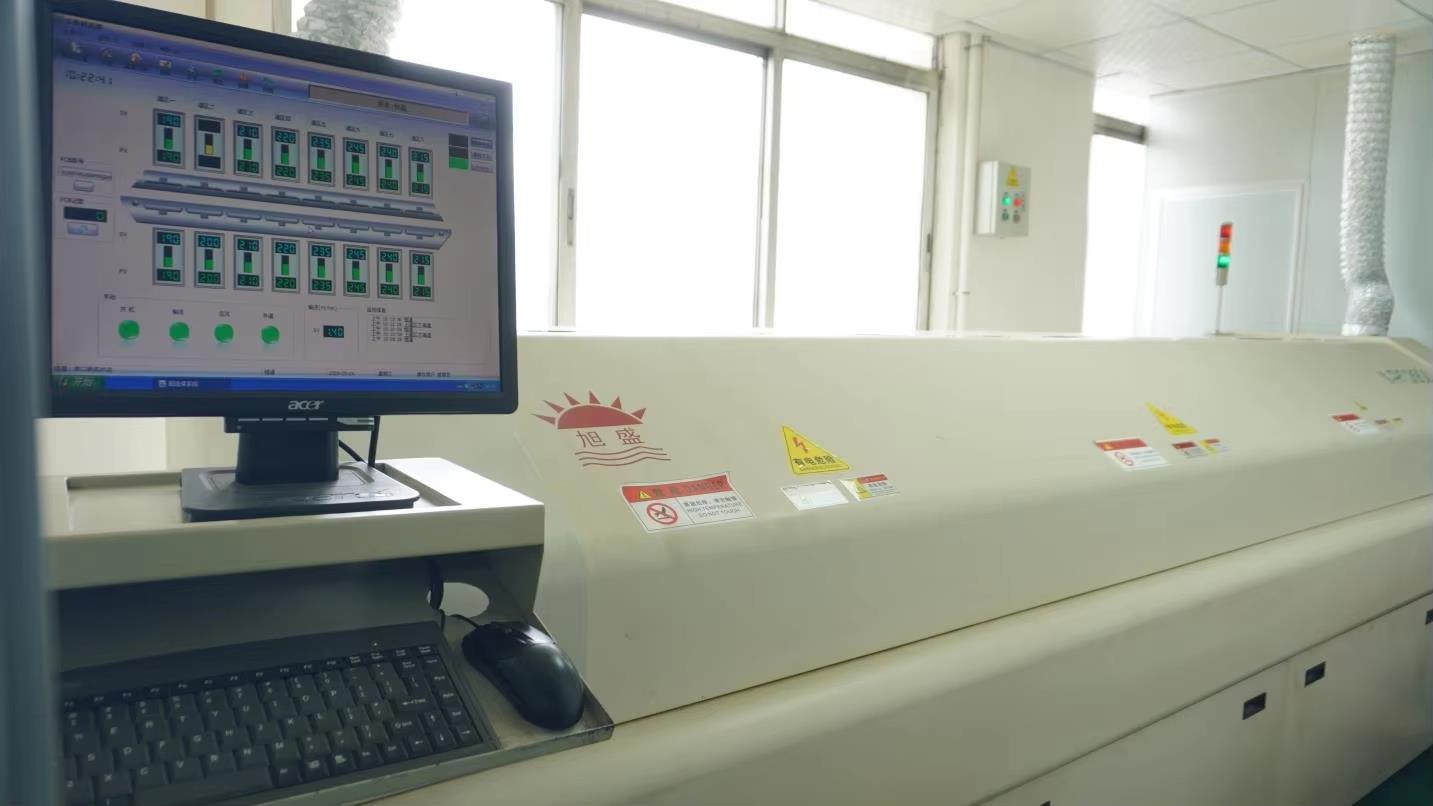
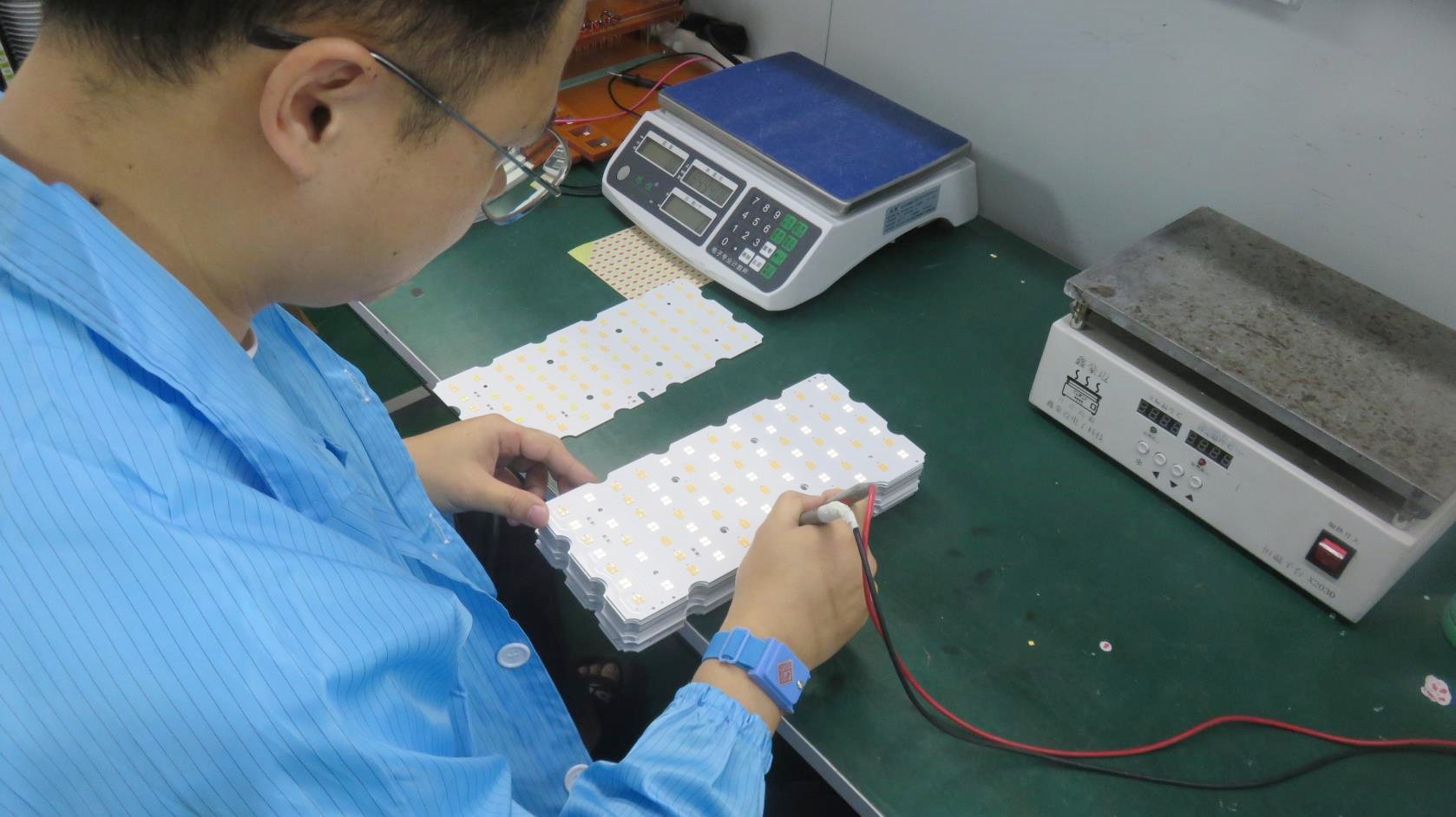

Illumination requirements change based on the physical environment and operational conditions. Custom spot flood lighting systems must be designed to meet the specific demands of each setting:
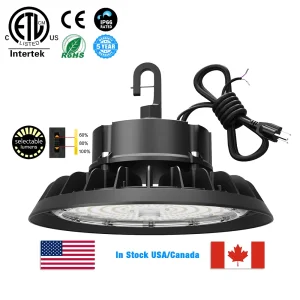
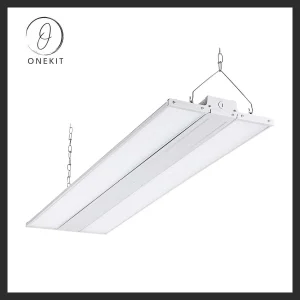
High-bay storage facilities and heavy industrial zones require high-efficiency lighting with wide, uniform coverage. To minimize shadows and support daily operations, custom high-bay floodlights are designed with broad beam distributions and CCT dimming to help lower glare and ease eye strain for workers.
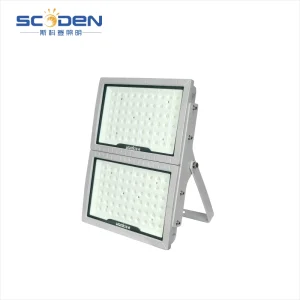
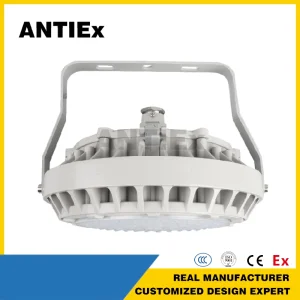
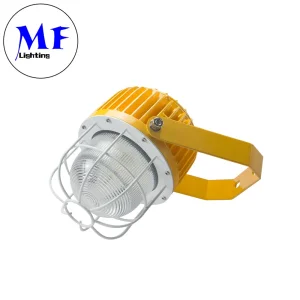
In environments exposed to flammable gases or combustible dusts, standard fixtures present a safety risk. Explosion-proof floodlights are built with heavy cast-aluminum enclosures and impact-resistant glass to contain any potential electrical sparks, complying with ATEX and IECEx standards.
Architectural lighting relies on precise optical control. Using narrow beam angles (such as 10° or 15°) along with RGBW color control helps highlight columns, bridge arches, and facades while reducing light spill into neighboring areas.
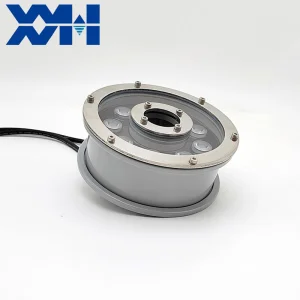
Salt fog and high humidity can quickly corrode standard aluminum fixtures. Marine-grade floodlights feature multi-stage powder coatings, 316 stainless steel hardware, and IP67 or IP68 seals to withstand harsh marine climates.
Technical answers to common questions about spot flood light specification and manufacturing.
The difference lies in the beam angle. A spotlight produces a narrow, concentrated beam (typically between 5° and 30°) to highlight distant details or architectural features. A floodlight provides a much wider, uniform beam (usually 90° to 120° or asymmetric) to cover large surface areas like parking lots, warehouses, or assembly yards.
We use high-purity die-cast aluminum housings (ADC12) designed with integrated thermal fins. Our SMT production applies high-conductivity thermal paste between the PCB and the aluminum shell. This configuration helps transfer heat away from the LED junction, keeping temperatures within safe limits and extending the lifespan of the fixture.
Yes, we provide flexible OEM and ODM services. We can customize beam angles, input voltages (such as 12V, 24V, 48V, or high-voltage lines), color temperatures, CRI ratings, and custom mounting brackets to fit your project requirements.
Our products are engineered to comply with major international certifications, including CE, RoHS, ATEX, and IECEx for explosion-proof environments, ensuring compliance with local construction and safety standards.
Every production batch undergoes a series of quality checks, including automated visual inspections, high-voltage insulation tests, electrical parameters testing, and a mandatory 24- to 48-hour burn-in aging test to identify and resolve any early component issues.
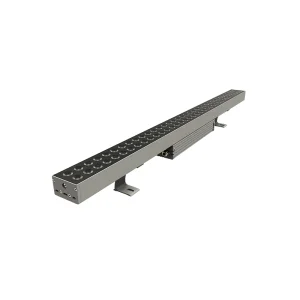
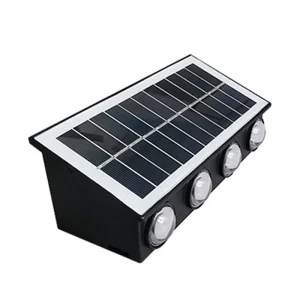
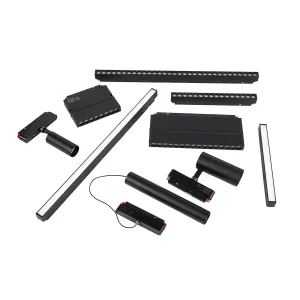
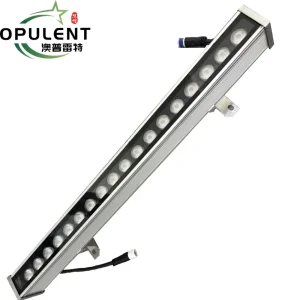
Explore additional specialized fixtures, including smart magnetic tracks, high-output wall washers, and ATEX explosion-proof options.
 Dorde Lights