Engineered for endurance, safety, and dynamic lighting efficiency across diverse installations.
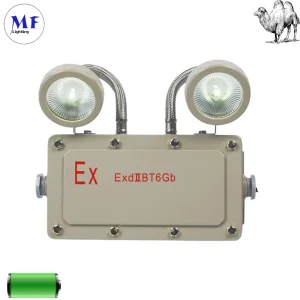
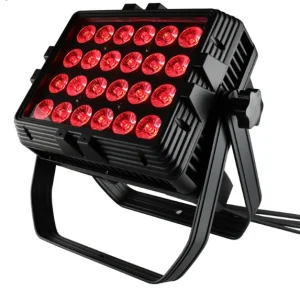
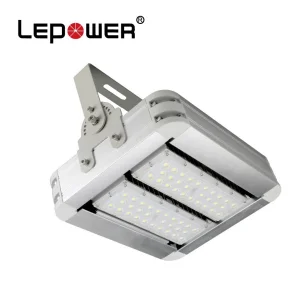
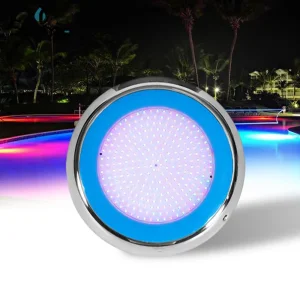
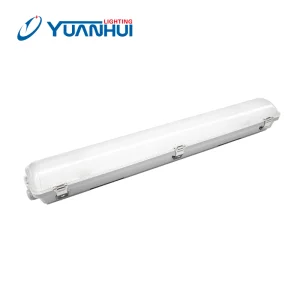
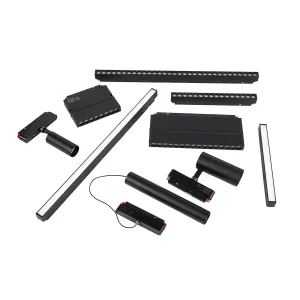
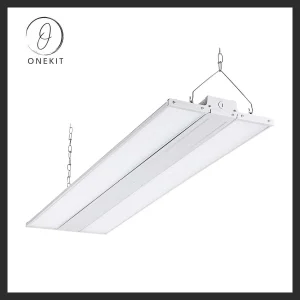
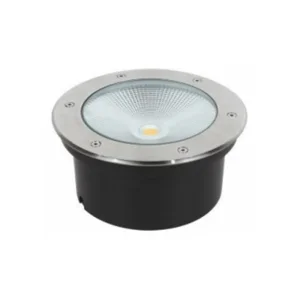
Founded in 2007, Guangdong Dorde Lights Co. Ltd. has spent over a decade and a half establishing itself as a premier, innovation-driven manufacturer of high-performance LED lighting solutions. Our systems are engineered to meet the strict demands of residential, commercial, and heavy industrial applications. By prioritizing technical refinement and rigorous quality management, Dorde Lights consistently delivers energy-efficient, robust luminaires to distributors, project engineering firms, and global B2B clients worldwide.
Historically, building façades and large-scale industrial landscapes relied on static color systems that lacked flexibility and granularity. The rise of addressable digital pixel nodes revolutionized dynamic lighting, turning structures into media canvases. Contemporary architectures use advanced pixel nodes integrated with DMX512 or RDM (Remote Device Management) protocols to achieve high-density light mapping. This allows developers to control parameters down to individual LED sub-pixels, ensuring color transitions are seamless and calibration is uniform.
For international sourcing agents, choosing the right China pixel light manufacturer involves looking beyond unit cost. Success depends on selecting partners whose drivers feature intelligent microprocessors capable of precise PWM (Pulse Width Modulation) dimming, thermal monitoring, and real-time failure reporting. Dorde Lights addresses these industry requirements by manufacturing intelligent linear arrays, modular wall washers, and underground pixel luminaires capable of executing complex lighting commands without signal degradation.
International project buyers, MEP designers, and lighting engineers navigate a complex procurement landscape. A major challenge in large-scale pixel installations is voltage drop. When hundreds of pixel nodes are daisy-chained across expansive facades, voltage naturally decays, causing color shifting and dimming at the far ends. Overcoming this requires engineered topologies, such as high-voltage DC distribution systems (e.g., 24V or 48V systems) paired with buck-boost converters embedded directly within each node.
Additionally, environmental degradation remains a primary cause of system failures. Exterior installations face extreme temperatures, UV exposure, and moisture ingress. Guangdong Dorde Lights Co. Ltd. addresses these issues by using specialized encapsulation materials—like high-grade silicone and optical polyurethane—which outperform traditional PVC in thermal stability and UV degradation resistance. This guarantees that our fixtures maintain their optical clarity and IP66/IP67/IP68 ratings even in challenging marine, tropical, or sub-zero environments.
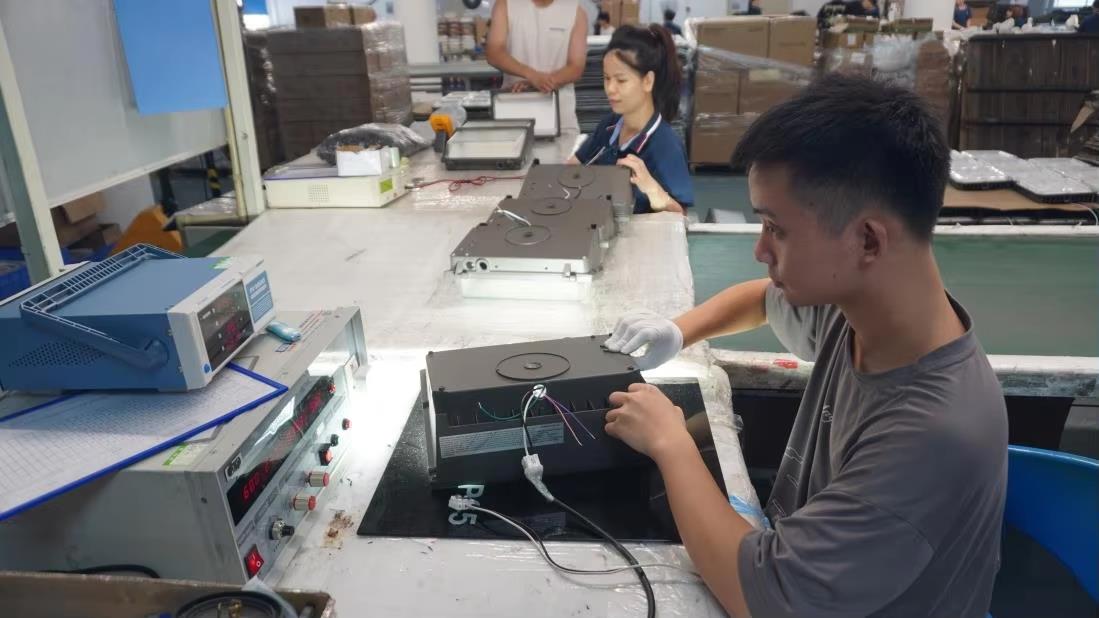
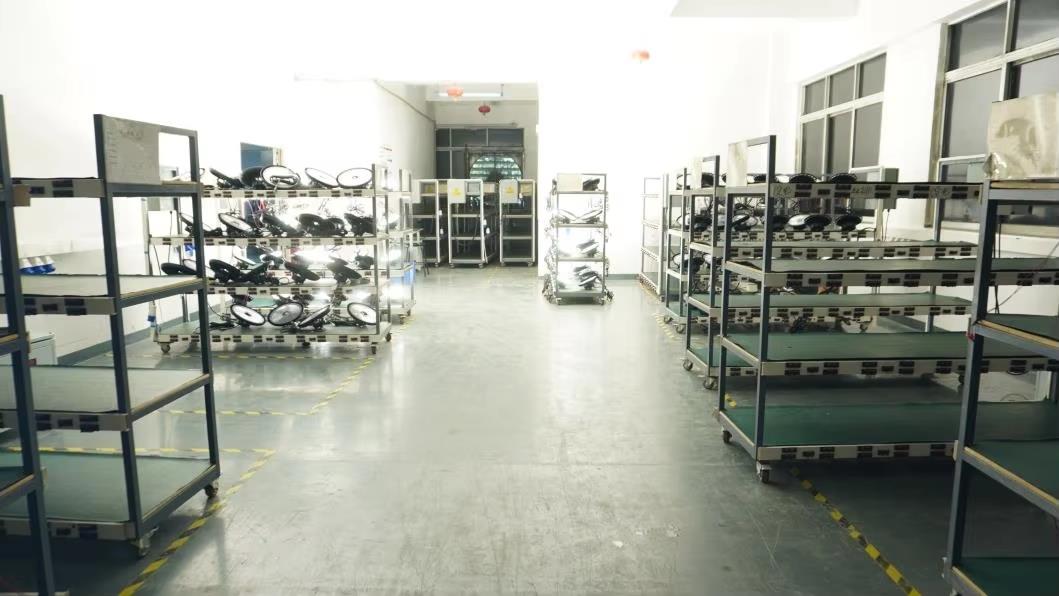
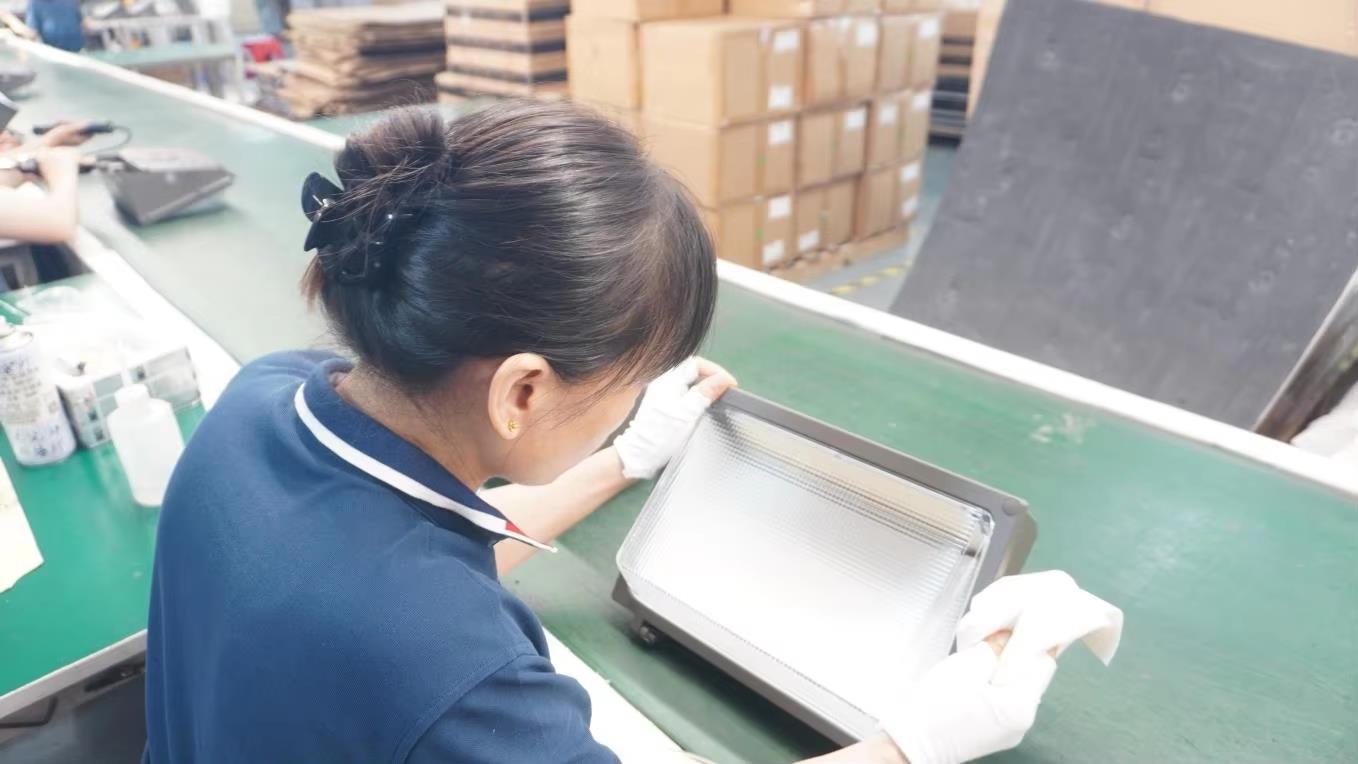
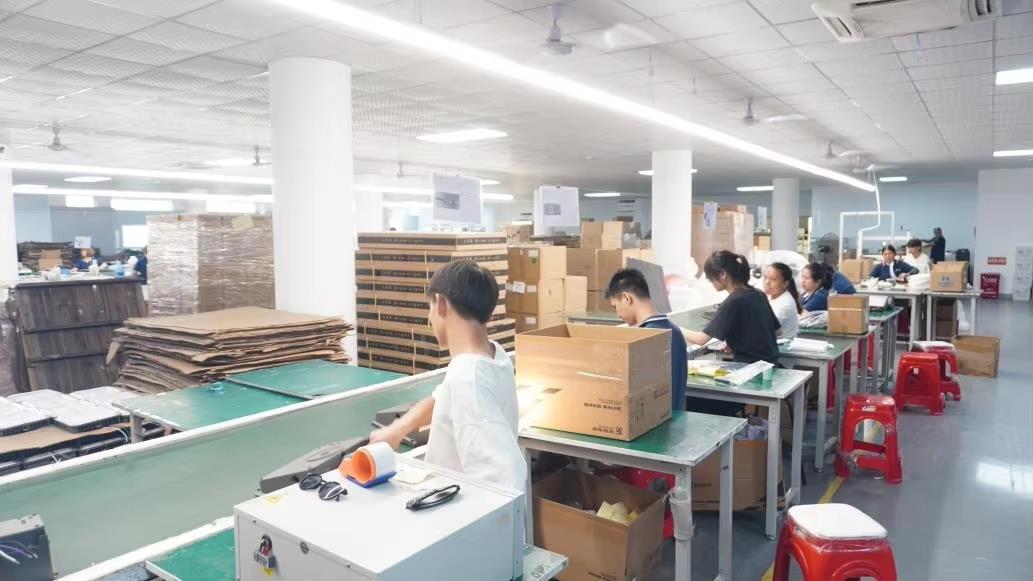
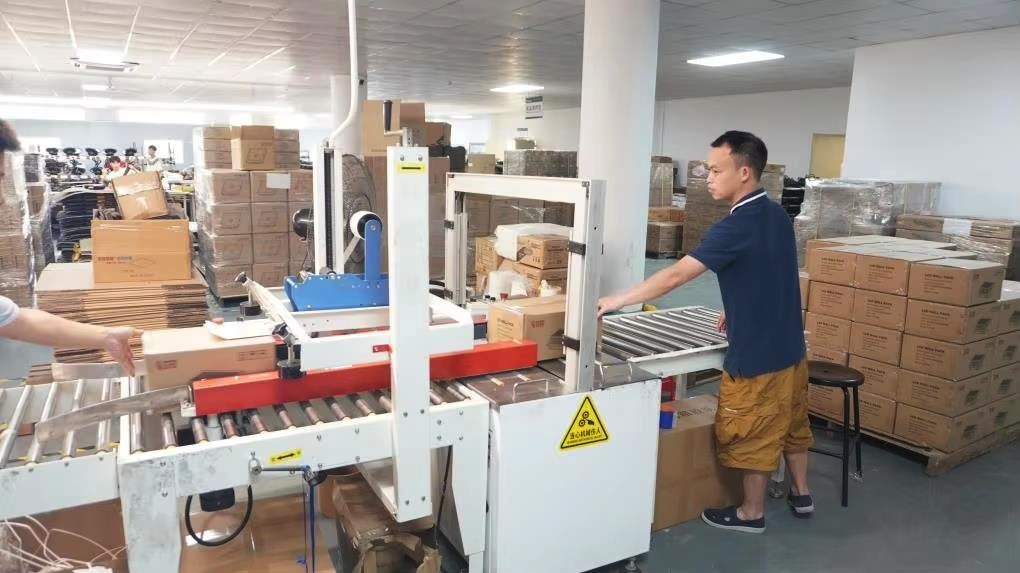
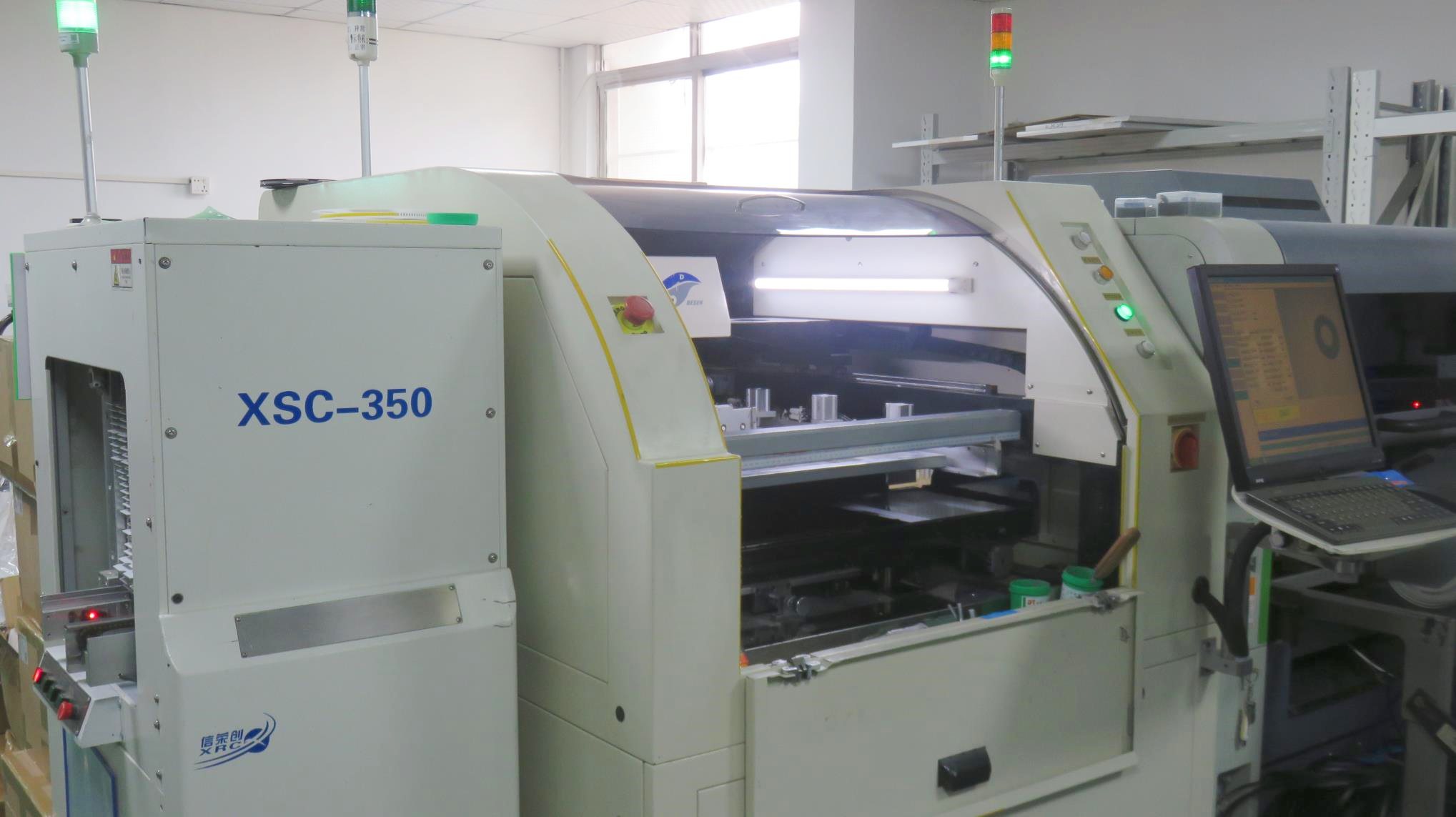
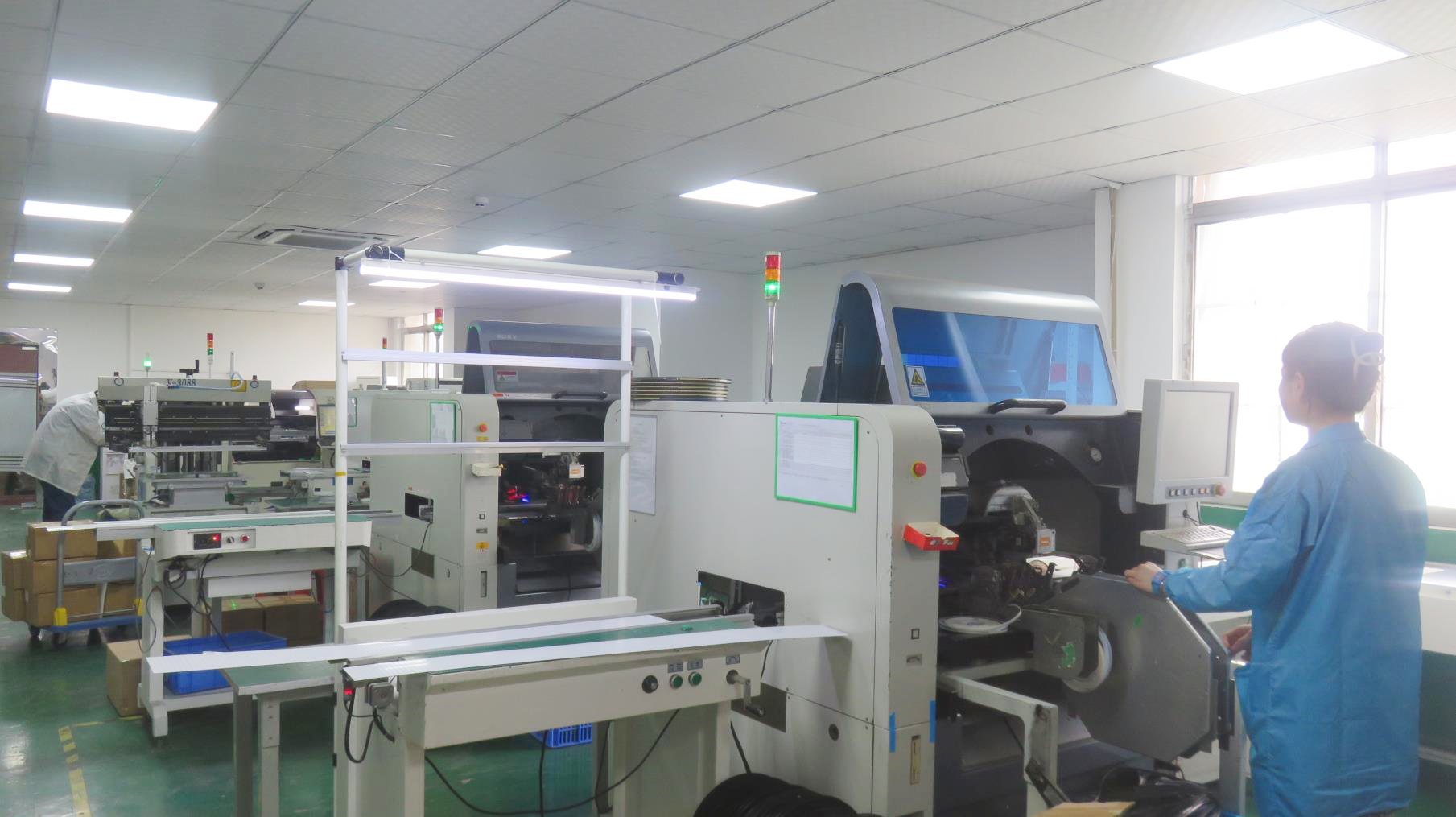
A look inside our ISO-certified production lines and testing protocols in Guangdong, China.
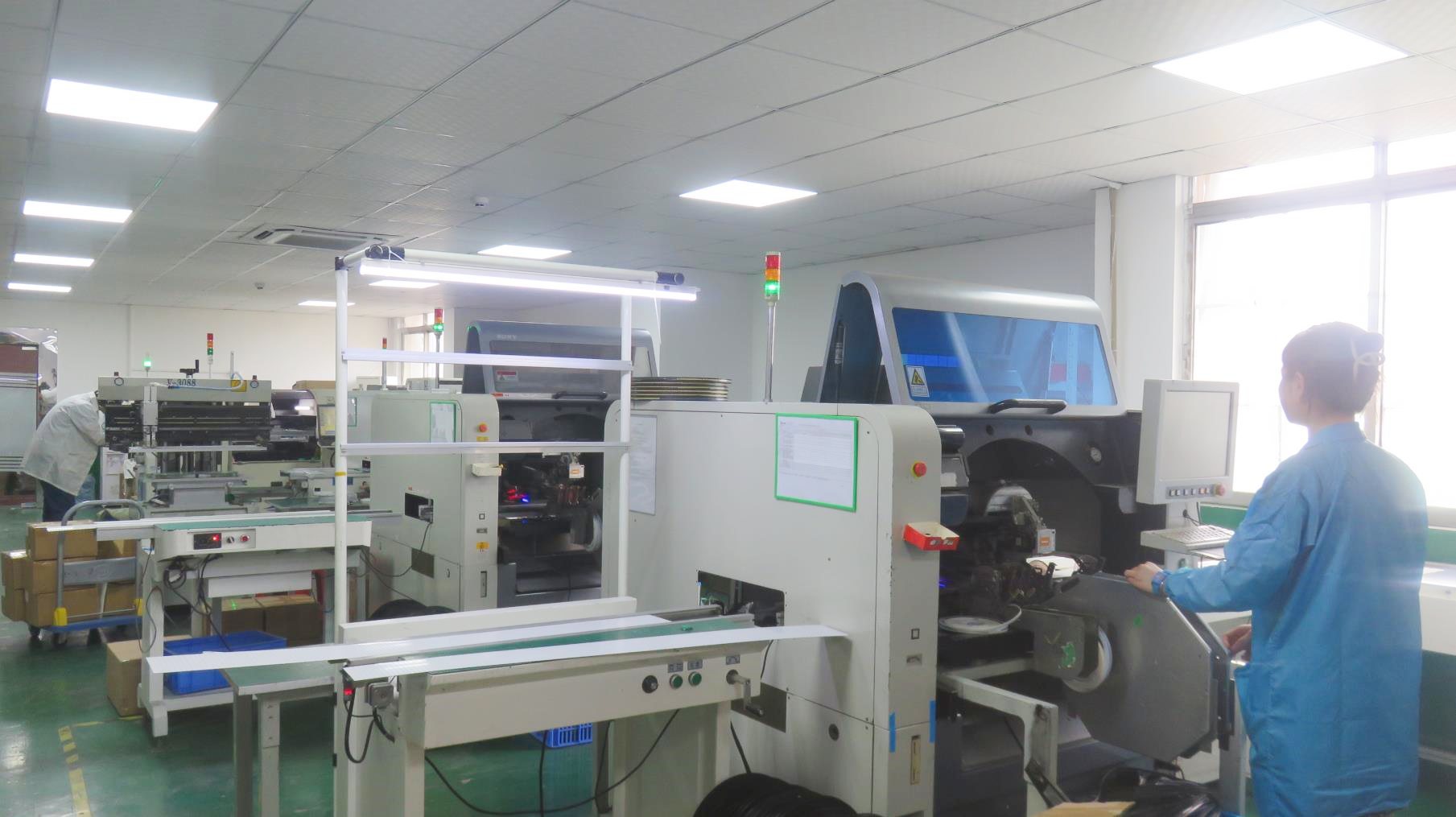
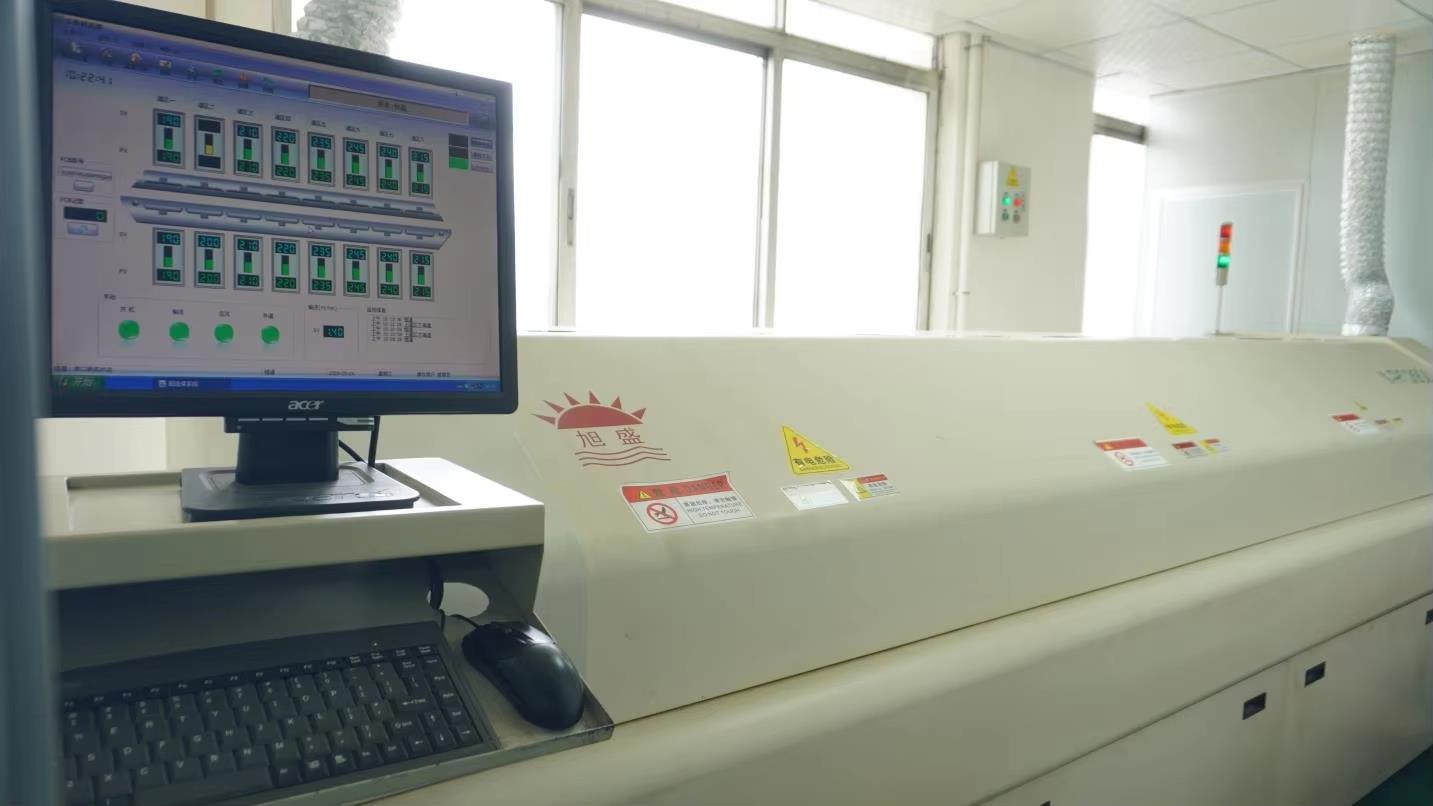
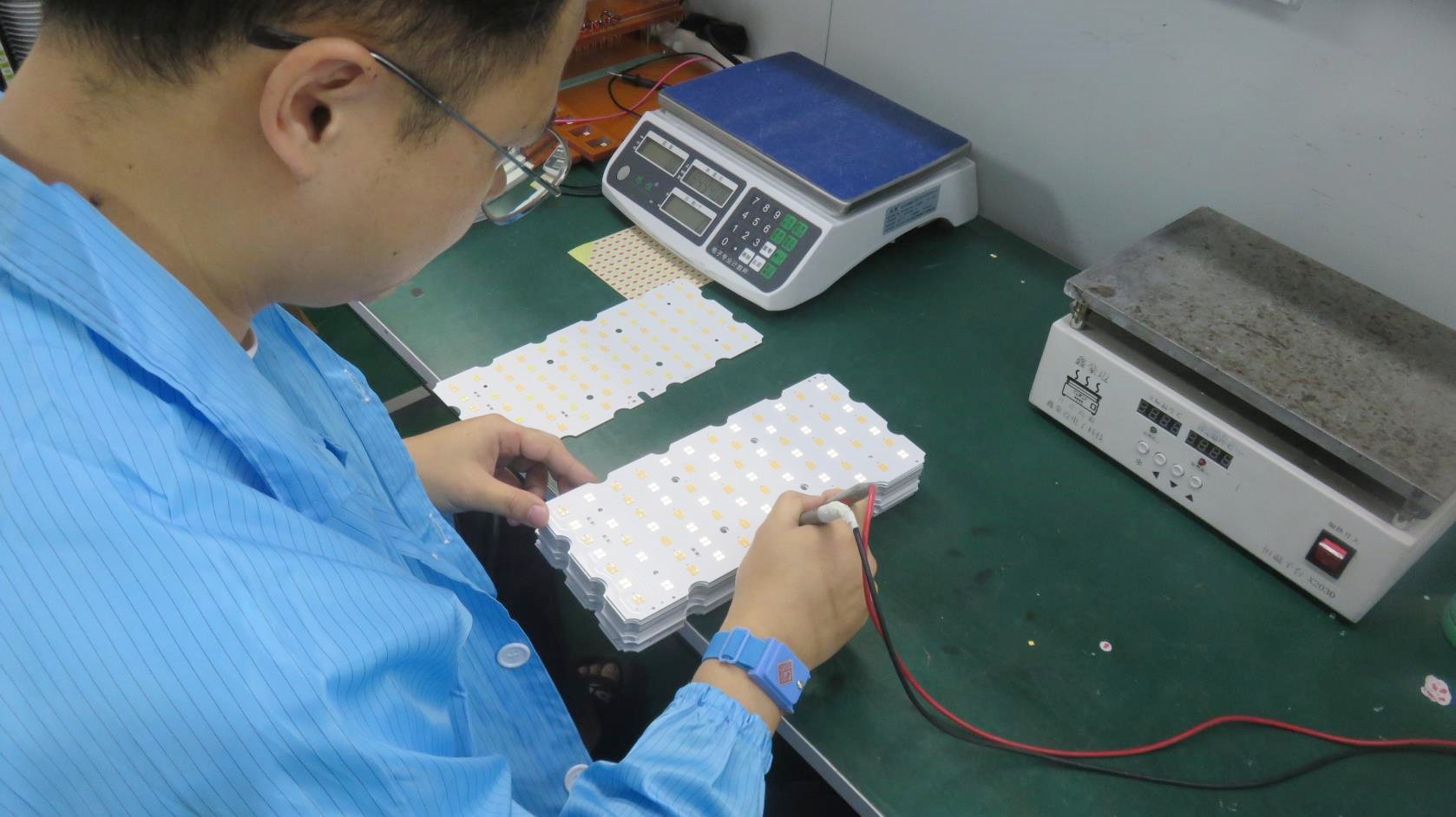
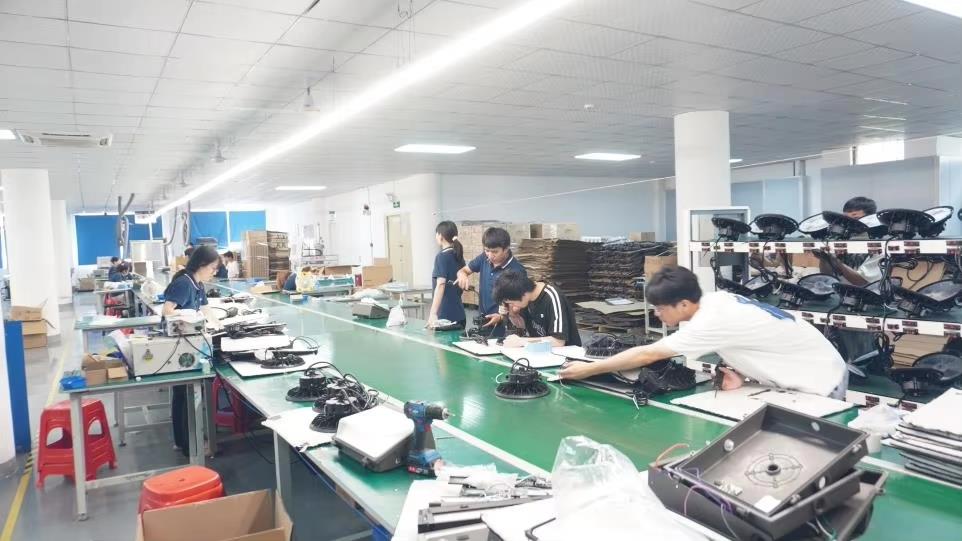
Building lighting must balance durability with visual performance. High-end architectural projects demand high color rendering indices (CRI ≥ 80, and up to R9 > 50 for warm white spectra) alongside tight MacAdam Ellipse color consistency (typically within 3-step or 5-step SDCM). Achieving this level of precision requires structured design, component selection, and quality control:
Operating high-power LEDs in enclosed or underwater environments presents thermal challenges. Every 10°C increase in junction temperature can reduce the system's lifespan by up to 50%. Dorde Lights addresses this by using ADC12 grade die-cast aluminum heat sinks paired with high-conductivity thermal pastes.
Traditional serial-addressable pixel runs can suffer from a single-point-of-failure vulnerability, where one damaged node disrupts all subsequent lights. Dorde Lights solves this by using dual-signal line architectures. If one pixel fails, the backup signal bypasses it, keeping the rest of the installation functional.
From narrow-angle grazing (e.g., 10° or 15° for columns) to wide flood angles, lighting designs depend on precise lenses. Dorde Lights utilizes high-transmittance optical PMMA lenses that minimize stray light and eliminate yellow ring artifacts.
Exporting globally requires meeting strict international compliance frameworks. For example, commercial projects in Australia require SAA certification, whereas installations in hazardous chemical or mining locations require ATEX explosion-proof compliance. Standard architectural installations across the European Union require CE and RoHS certifications to verify safety and environmental friendliness.
Guangdong Dorde Lights Co. Ltd. structures its manufacturing to meet these international guidelines. Our factory uses advanced testing equipment, including Integrating Spheres to measure luminous flux and color temperature, and goniophotometers to map spatial luminous distribution (IES files). We conduct comprehensive IP66/IP67/IP68 water immersion and high-voltage surge tests to ensure each fixture withstands typical environmental stresses.
As building facades and commercial properties transition toward fully connected IoT nodes, the integration of intelligent control protocols is reshaping the industry. Dorde Lights is investing in several key technology initiatives to meet these requirements:
Deploying robust Bluetooth Mesh and Zigbee controllers for smart systems, reducing cabling costs in historic or complex retrofits.
Using recycled aluminum and optimization algorithms that dynamically adjust luminaire power output based on ambient lux levels.
Developing bidirectional RDM chips that report individual node failures directly to the central building management system (BMS).
Technical answers to critical procurement, installation, and deployment questions.
We use built-in RS-485 signal transceivers in our DMX512 controllers to boost and clean data streams. Additionally, for long-distance runs exceeding 100 meters, we use dedicated, shielded differential signal cables and DMX signal splitters/repeaters to prevent reflection and packet drop.
Standard single-signal series channels fail completely if a single driver or diode burns out, disrupting all downstream fixtures. Our dual-line architecture includes both a main data line and a backup data line. In the event of a node failure, the backup line bypasses the damaged component within 2 milliseconds, maintaining system stability.
For standard exterior building façades exposed to rain and wind, IP66 or IP67 ratings are sufficient. For inground lights exposed to standing water, IP67 with proper drainage is recommended. For complete underwater submersion (like pools or water features), an IP68 rating with 316 stainless steel housing and specialized double-seal cable glands is required to prevent water ingress.
We provide end-to-end design and manufacturing support. Our engineers can customize PCB layouts, adjust beam angles, modify housing colors, and integrate specific protocols (like Tuya, Zigbee, DALI, or ArtNet). This is backed by SMT assembly and quality testing to ensure the customized products meet your requirements.
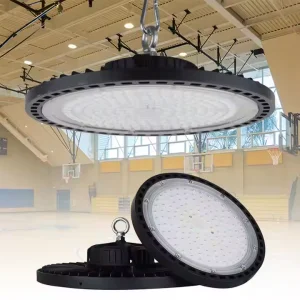
Engineered for precise control, efficiency, and heavy-duty industrial environments.
 Dorde Lights