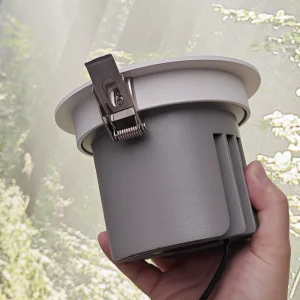
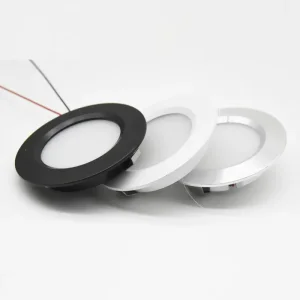
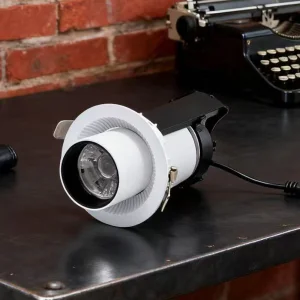
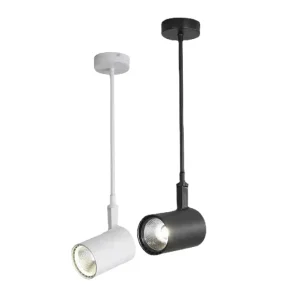
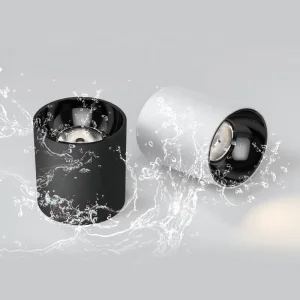
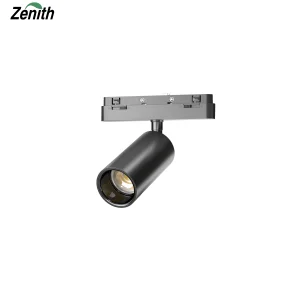
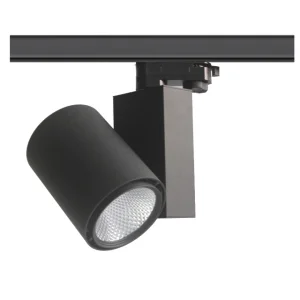
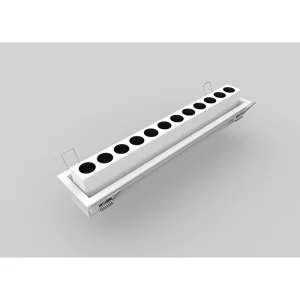
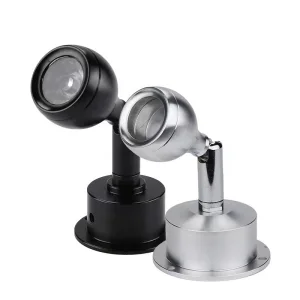
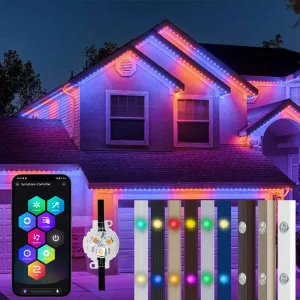
Engineered to withstand grid fluctuations while offering modern, energy-efficient illumination for luxury residences, commercial hotels, and urban upgrades in Addis Ababa.
Ethiopia stands as one of the fastest-growing economies in East Africa, driven by massive infrastructure investments, rapid urbanization, and a national push toward industrialization. With flagship initiatives such as the expansion of the Bole Lemi, Hawassa, and Adama Industrial Parks, the country has positioned itself as an attractive hub for manufacturing and foreign direct investment (FDI). Concurrently, the skylines of Addis Ababa, Hawassa, and Dire Dawa are transforming with high-rise residential properties, luxury hotels, corporate offices, and modern shopping centers.
However, this rapid physical expansion presents unique infrastructure challenges. The local commercial market requires lighting products that combine energy-efficient technologies with highly robust physical designs. One of the principal obstacles faced by project developers in Ethiopia is electricity stability. The regional power grid is prone to frequent voltage fluctuations and surges. Lighting systems that are not engineered with wide-voltage isolated drivers and advanced surge protection systems suffer high failure rates, causing frequent replacements and costly project delays.
"For the Ethiopian market, lighting efficiency is not simply about energy savings; it is about infrastructure resilience. A spotlight must perform reliably in conditions of voltage drops down to 100V and spikes up to 280V while maintaining its thermal dissipation at elevations above 2,300 meters."
Furthermore, Ethiopia's high altitude, particularly in Addis Ababa (averaging 2,300 meters above sea level), affects the physical density of the air. Standard thermal calculations for electrical heat dissipation are typically calibrated for sea-level atmospheres. At higher elevations, the rate of heat dissipation via air convection drops by approximately 10-15%. Without specialized engineering, including heat sinks with expanded surface areas (utilizing high-grade die-cast aluminum ADC12), LED chips can experience rapid thermal degradation. This degradation shortens the operating lifetime and reduces the color rendering index (CRI) value of standard fixtures.
The international lighting market has transitioned away from basic lighting coverage. Today, global enterprises demand architectural luminaires that contribute to carbon neutrality, satisfy strict building standards (such as LEED or BREEAM certifications), and integrate seamlessly with intelligent Building Management Systems (BMS). The integration of Internet of Things (IoT) technologies in lighting controls allows operators to monitor real-time energy use, execute automated dimming protocols, and perform preventative maintenance diagnostics.
Additionally, global optical engineering focuses heavily on visual comfort. The Unified Glare Rating (UGR) is now a central metric in commercial workspace specifications. Anti-glare capabilities, achieved through deep-recessed LED chips and custom-engineered secondary optics (lenses and reflectors), reduce eye strain and improve productivity in workspace environments. Color fidelity has also become a standard requirement. In retail and cultural applications, a Color Rendering Index of Ra > 90 (often reaching Ra > 97) is necessary to ensure colors are represented naturally. Global sourcing procurement focuses heavily on factories that verify these specifications using integrating spheres and goniophotometer test reports.
Our customized LED spotlight solutions are designed for key sectors driving Ethiopia's urban growth:
Founded in 2007, Guangdong Dorde Lights Co. Ltd. is a specialized manufacturer of LED lighting solutions for residential, commercial, and industrial projects worldwide. We focus on engineering energy-efficient, reliable, and high-performance luminaires for challenging electrical environments.
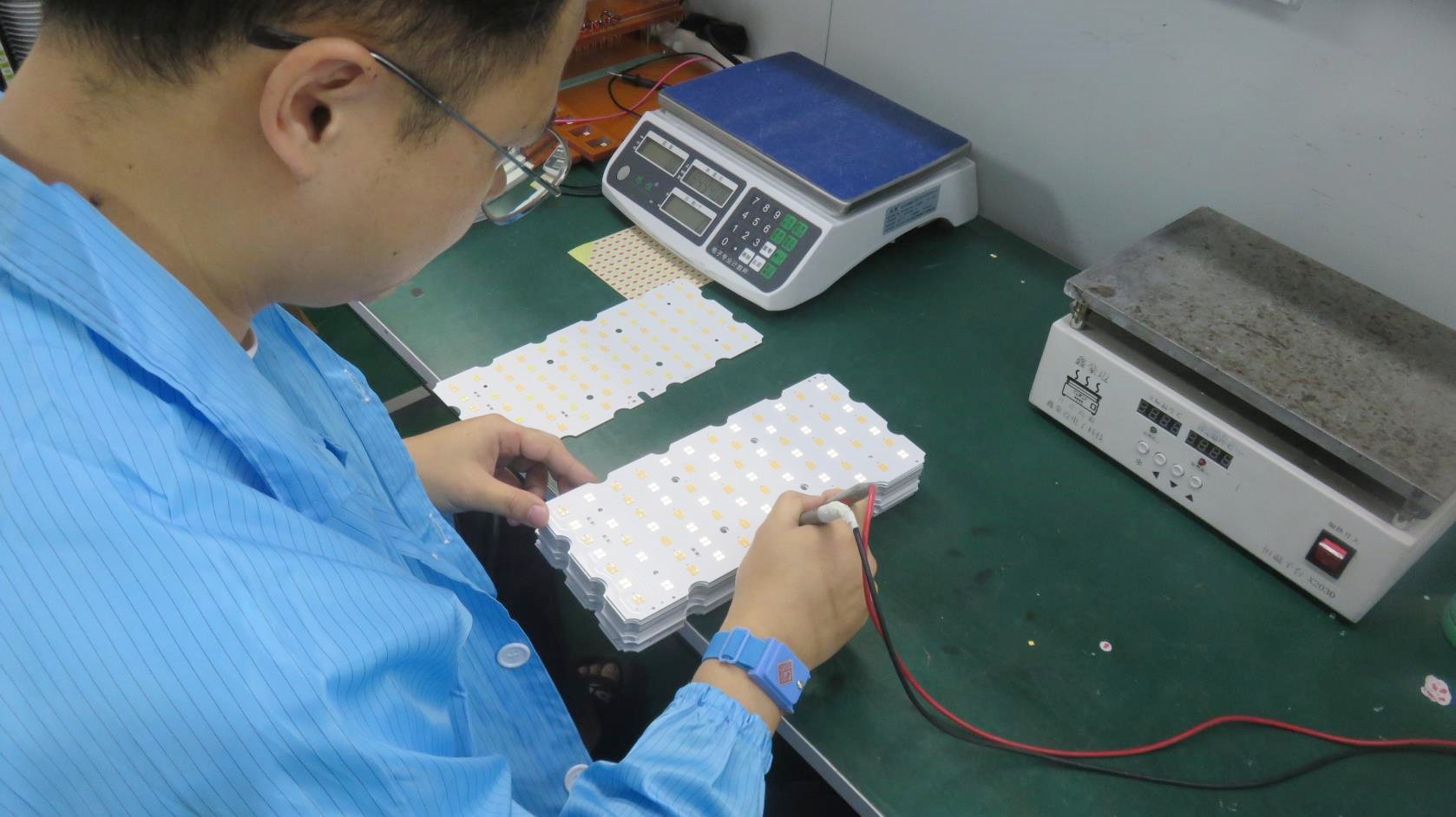
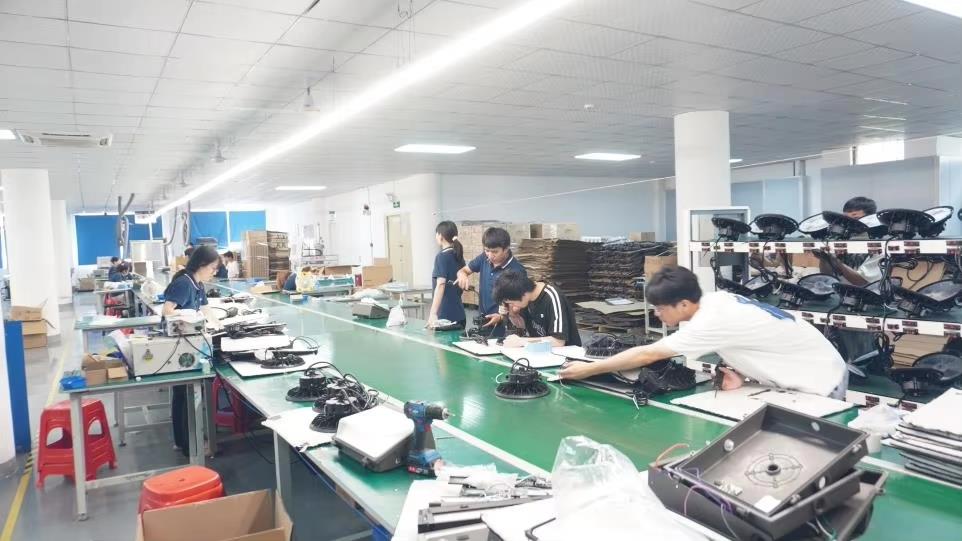
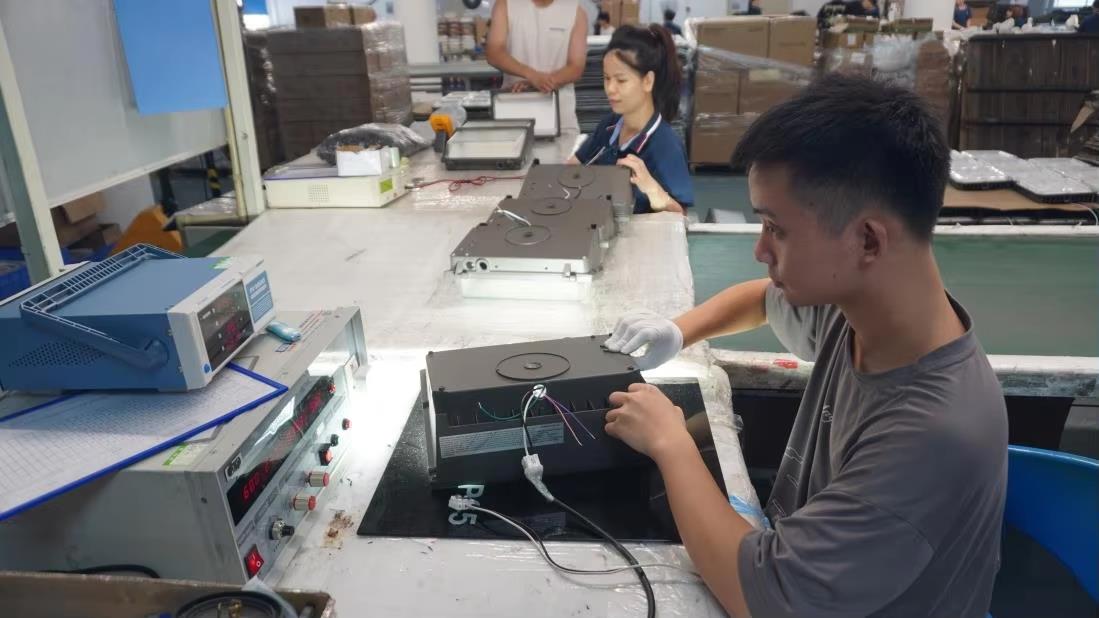
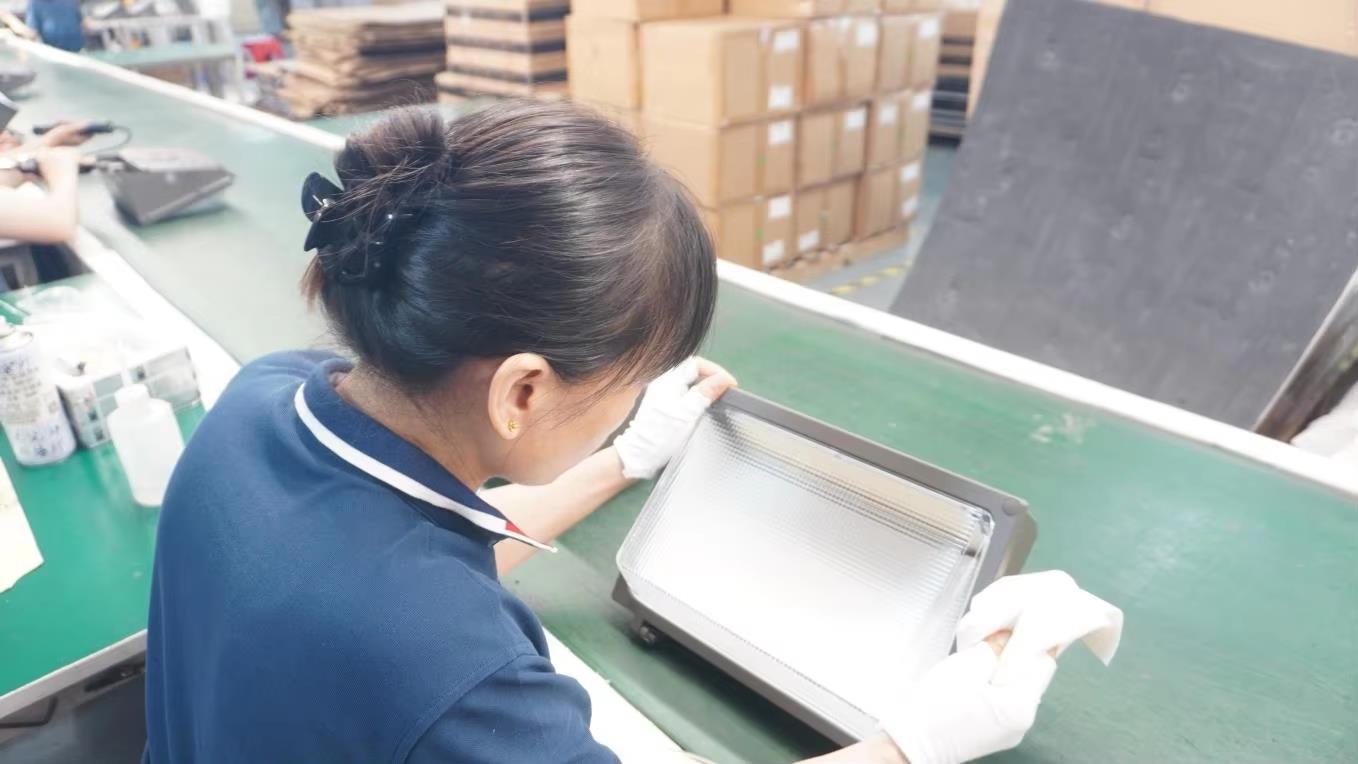
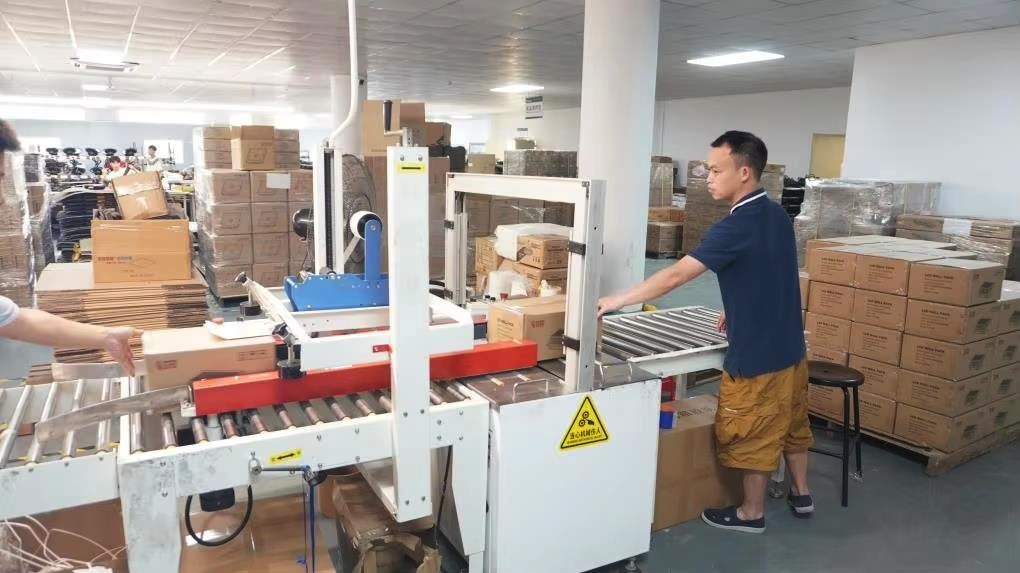
From raw materials to finished products, our quality control team runs inspection checks at every production stage. This includes checking incoming aluminum alloys, testing component driver boards, and running extended stress tests.
We offer custom engineering services to meet project-specific requirements, including modifying beam angles, adjusting color temperatures (CCT), implementing specific dimming systems (DALI, 0-10V, Triac), and customizing driver tolerances for regions with unstable power grids.
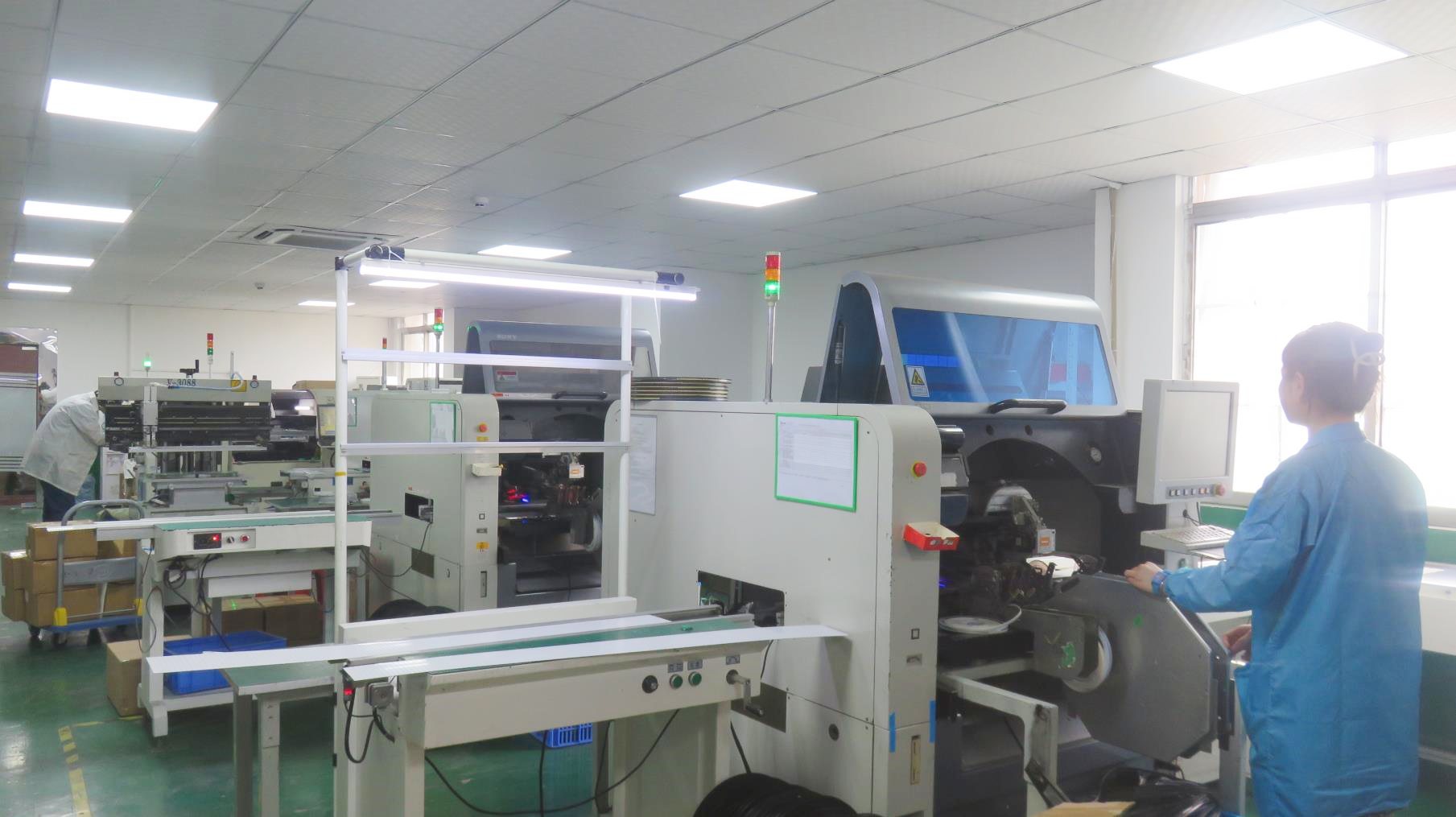
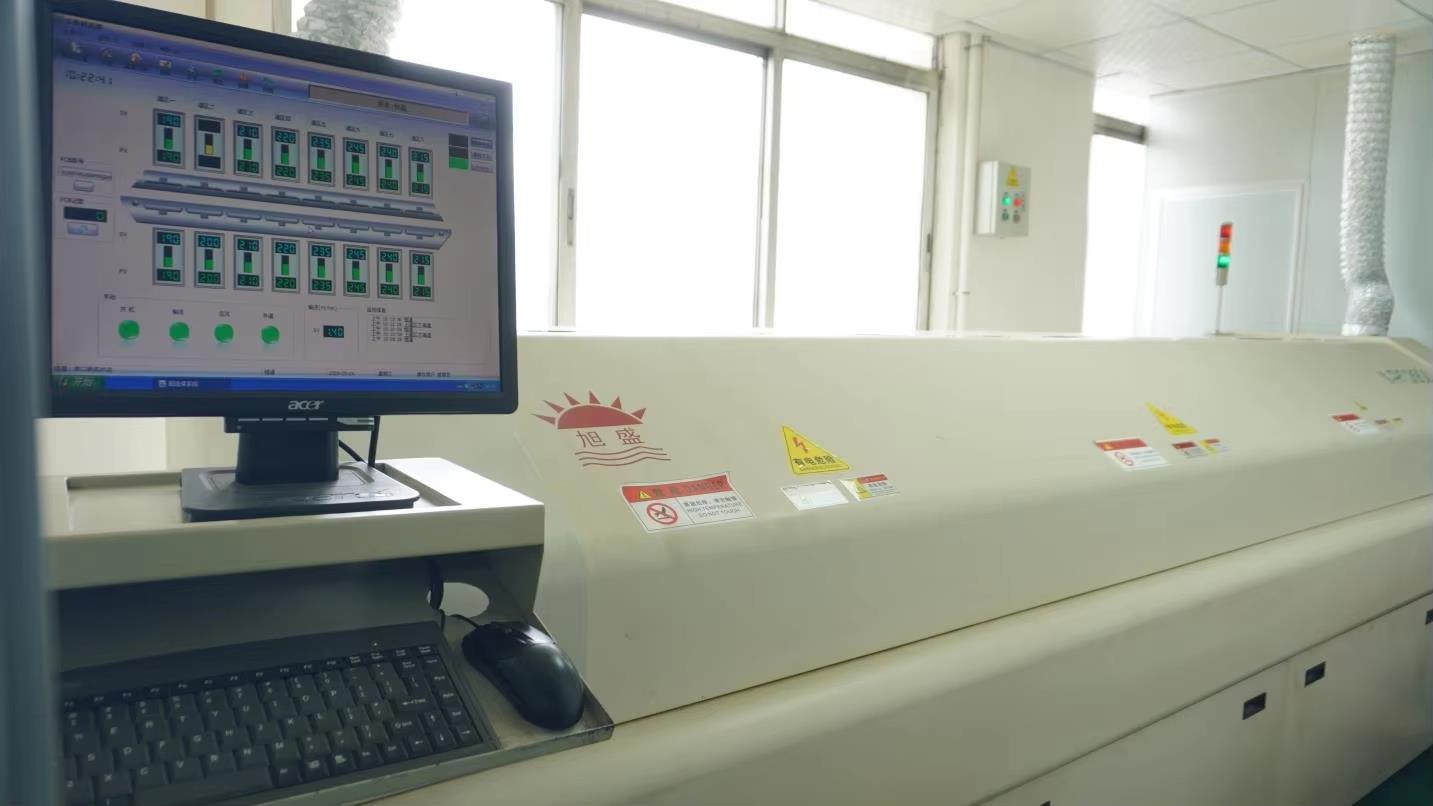
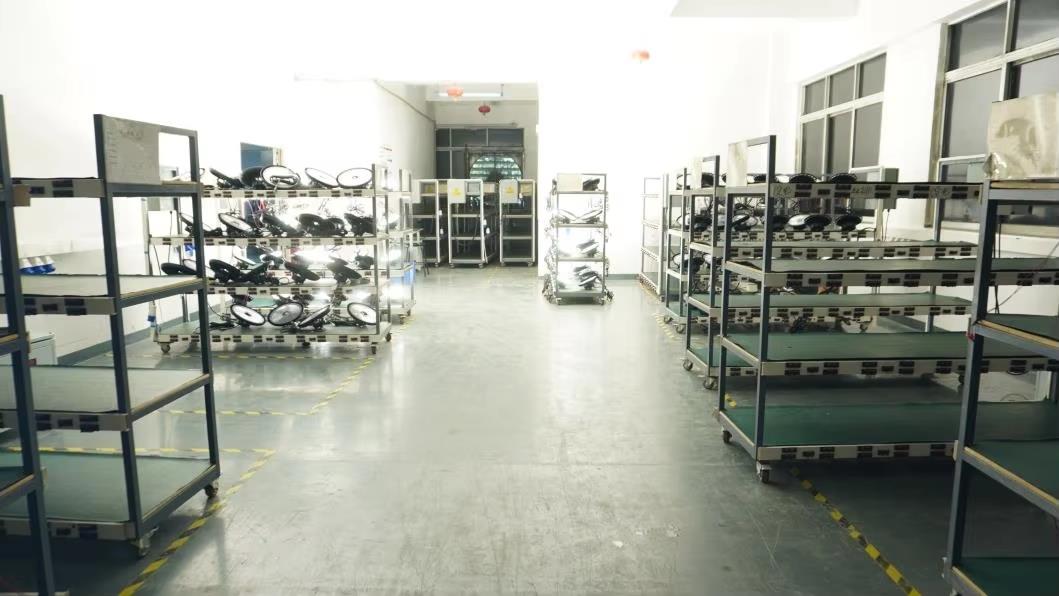
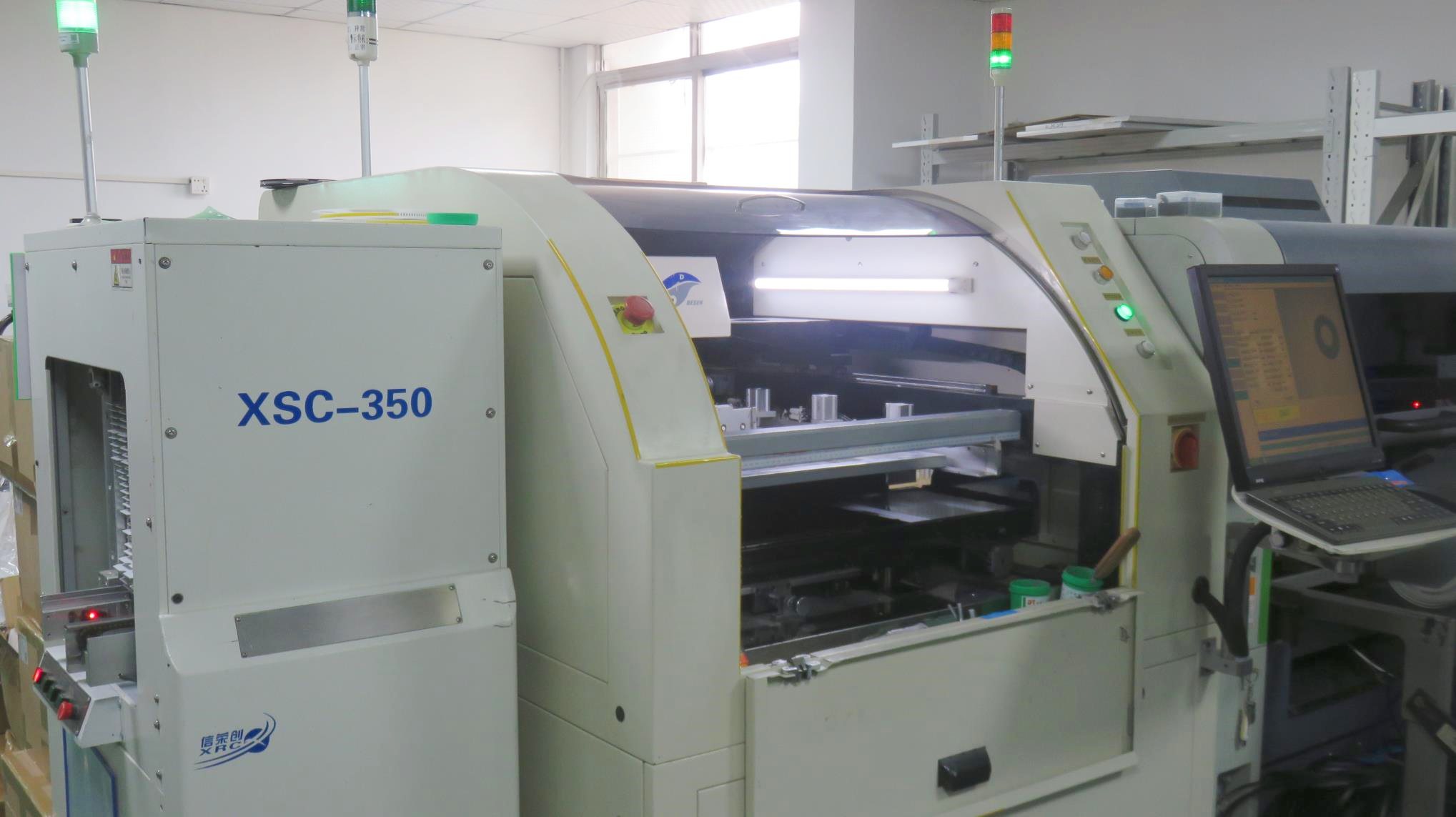
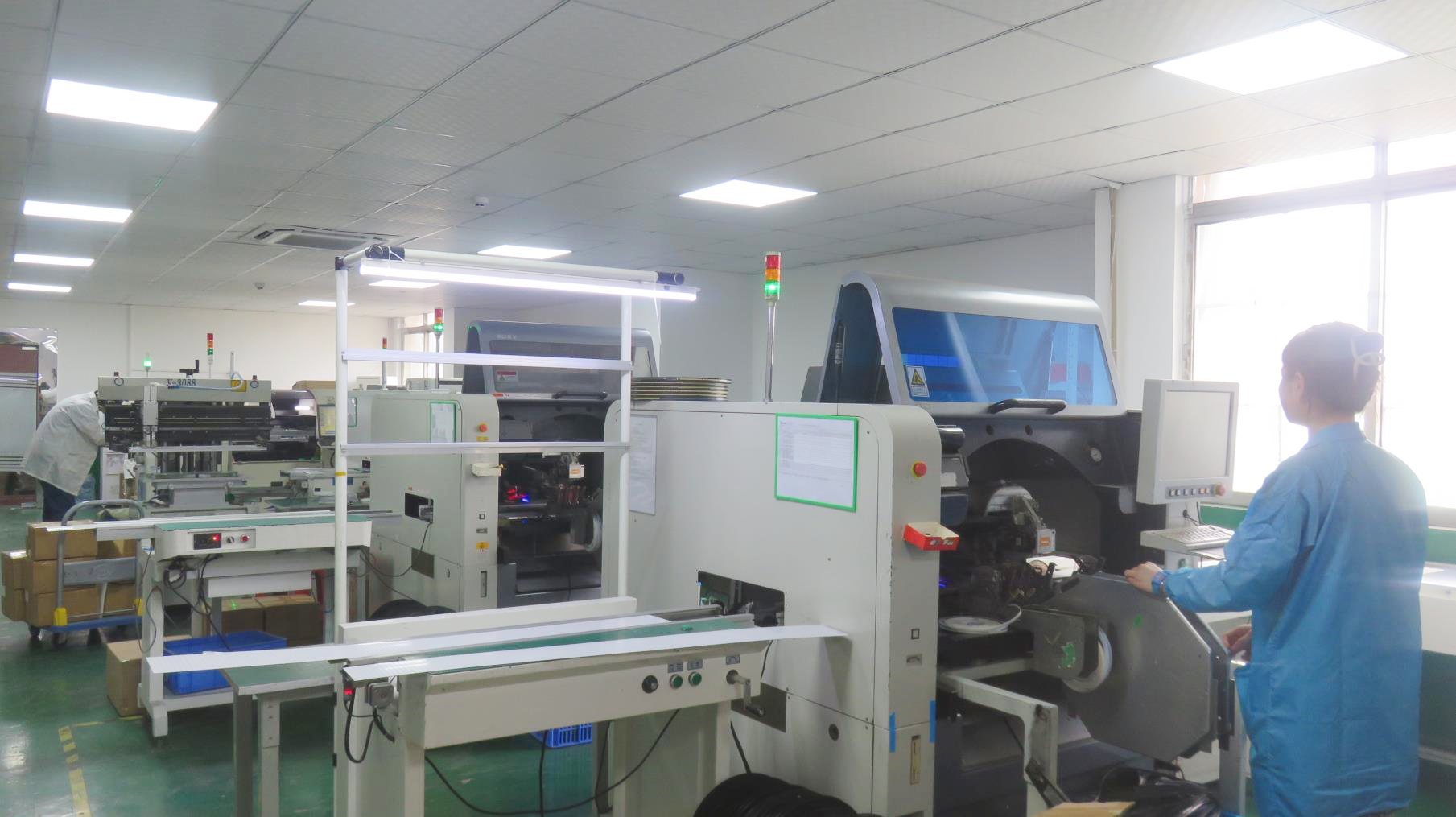
Our facility is equipped with automated SMT placement machines, high-temperature reflow soldering ovens, and dedicated aging racks. This automation helps maintain consistent assembly quality and reliable production schedules for large orders.
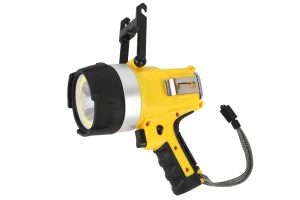
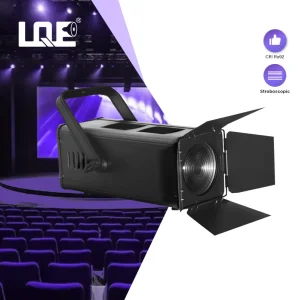
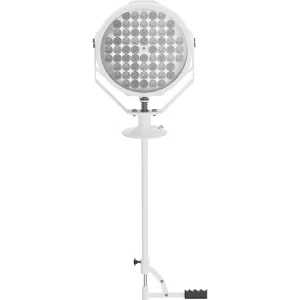
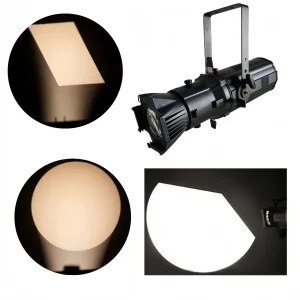
Advanced, project-specific lighting fixtures engineered for specialized architectural, stage, marine, and display configurations across Ethiopia.
For importers and project managers in Ethiopia, sourcing lighting components from international suppliers requires careful logistics planning. As a landlocked country, Ethiopia handles approximately 95% of its maritime trade through the Port of Djibouti. This maritime route relies on coordinated transit corridors, including the Ethiopia-Djibouti Standard Gauge Railway and highway networks, to move cargo to dry ports like Mojo, Gelan, and Semera.
To streamline customs clearance and minimize transit delays at Mojo Dry Port, our logistics team handles all necessary import-export documentation. We provide verified HS codes, detailed commercial packing lists, certificates of origin, and international conformity reports (such as CE, RoHS, and CB certificates). We offer customizable shipping configurations—ranging from consolidated Less Than Container Load (LCL) options for medium-scale developments to Full Container Load (FCL) shipping for master-planned commercial complexes. This helps project developers keep transport schedules predictable and minimize overhead.
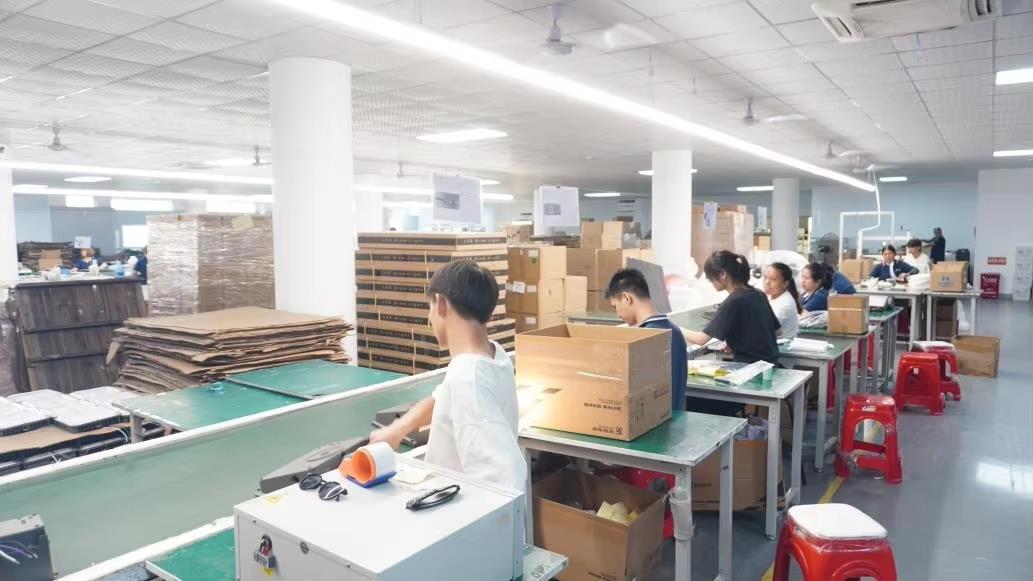
To protect sensitive electronic drivers and LED optical lenses during long-distance transit, our packaging uses thick corrugated export cartons, custom-molded high-density polyethylene (HDPE) foam inserts, and moisture-resistant barrier bags to guard against maritime humidity.
As building standards globally and within East Africa shift toward green practices, selecting energy-efficient luminaires is key to managing long-term operating costs. Our LED spotlights achieve luminous efficacies of up to 120 lm/W. By switching from traditional metal-halide or halogen systems to LED fixtures, operators can reduce energy consumption by up to 60-80%.
To verify these performance metrics, we test our product designs in our photometry laboratories. Using integrating spheres and goniophotometric equipment, we generate detailed IES (Illuminating Engineering Society) files. These files allow architects and lighting designers to simulate illuminance levels, lux distributions, and glare parameters (such as UGR) using DIALux software before ordering. This reduces design errors and ensures compliance with building codes.
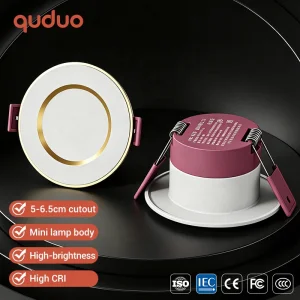
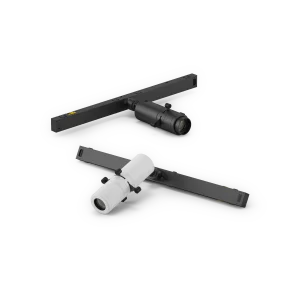
Explore our main range of commercial spotlights, track fixtures, and architectural lighting solutions engineered for durability and light quality.
Technical answers to common questions about importing, specifying, and installing LED spotlights in the East African commercial market.
 Dorde Lights