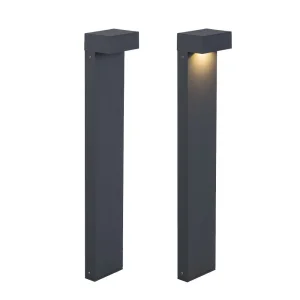
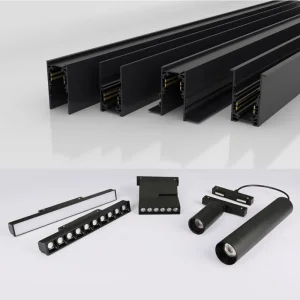
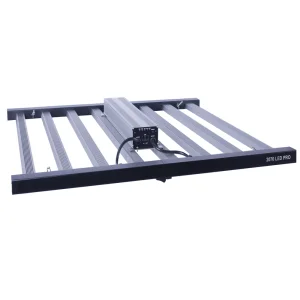
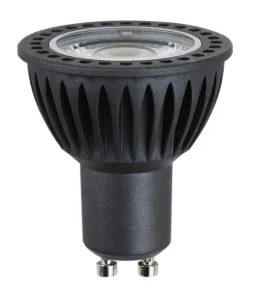
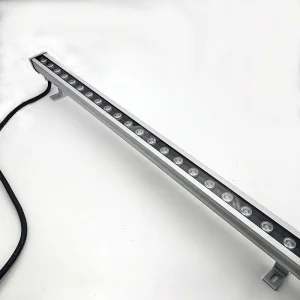
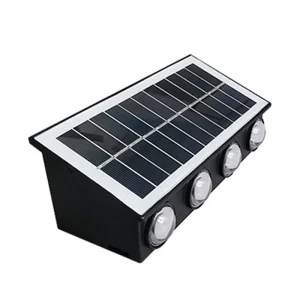
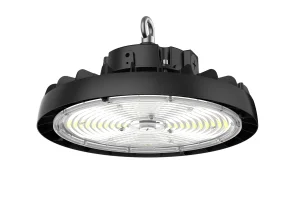
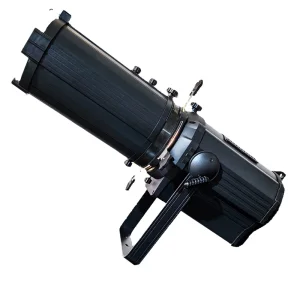
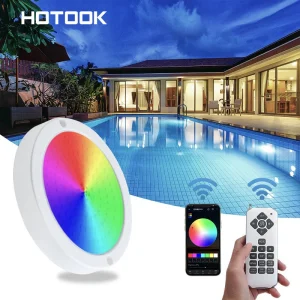
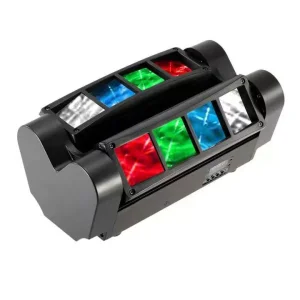
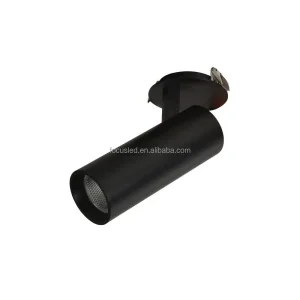
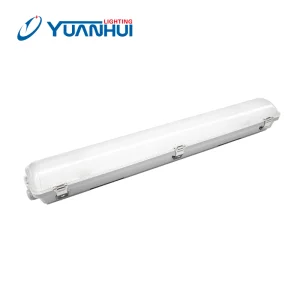
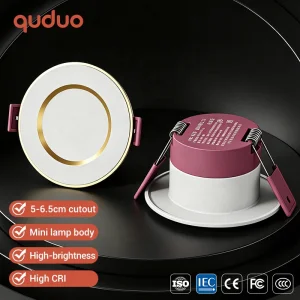
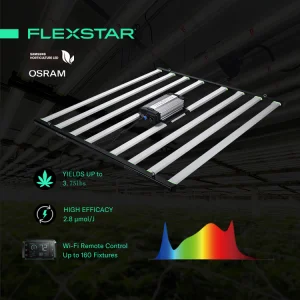
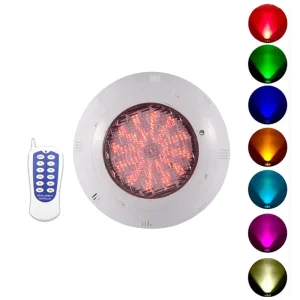
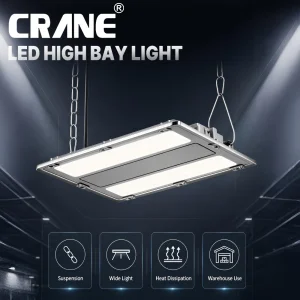
Engineered for diverse commercial, architectural, and stage entertainment installations. Discover our core product portfolio featuring elite performance specifications.
The global professional stage and theater lighting market is experiencing a profound paradigm shift. Modern system integrators, municipal developers, and studio engineers no longer purchase fixtures based solely on brightness (lumens). Instead, they seek comprehensive optical ecosystems capable of rendering perfect color fidelity, facilitating complex control protocols, and running silently in noise-sensitive environments.
Procurement processes for major performance venues involve detailed evaluation matrixes. The requirements span optical precision, power factors, heat dissipation metrics, and native software protocols. As architectural landmarks incorporate theatrical effects (such as high-output projectors and dynamic color washers), the line between indoor performance lighting and outdoor architectural wash installations has blurred. This intersection demands manufacturers to be agile in production, offering scalable OEM solutions while adhering to stringent mechanical standards.
When evaluating potential manufacturing partners, procurement directors from major institutions prioritize the following factors:
A premier global manufacturing center driving standard commercial, industrial, and theatrical LED innovations.
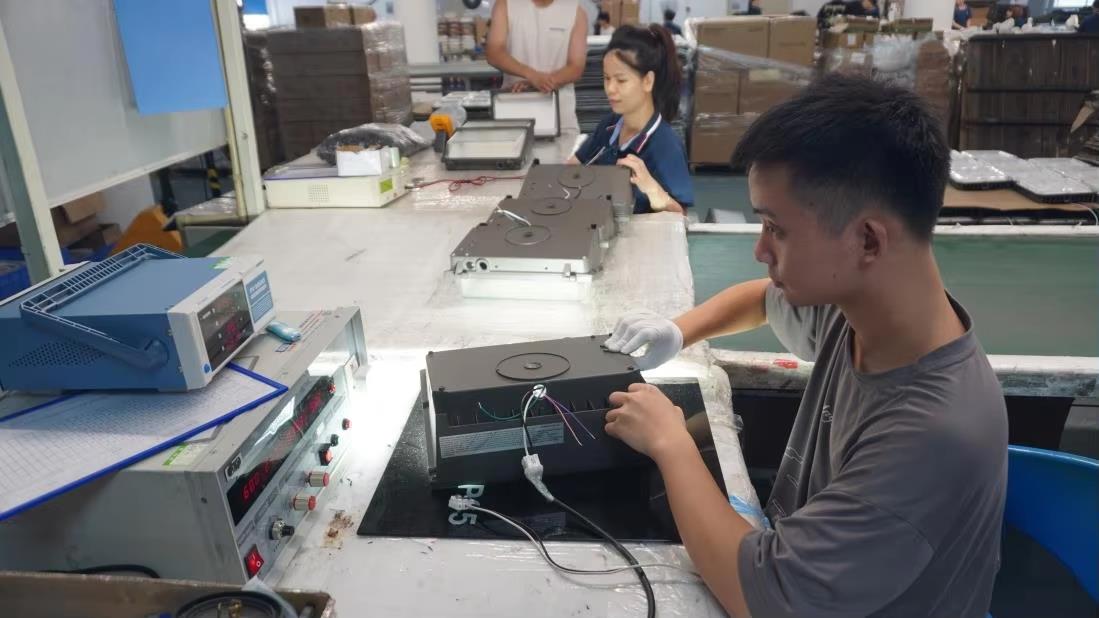
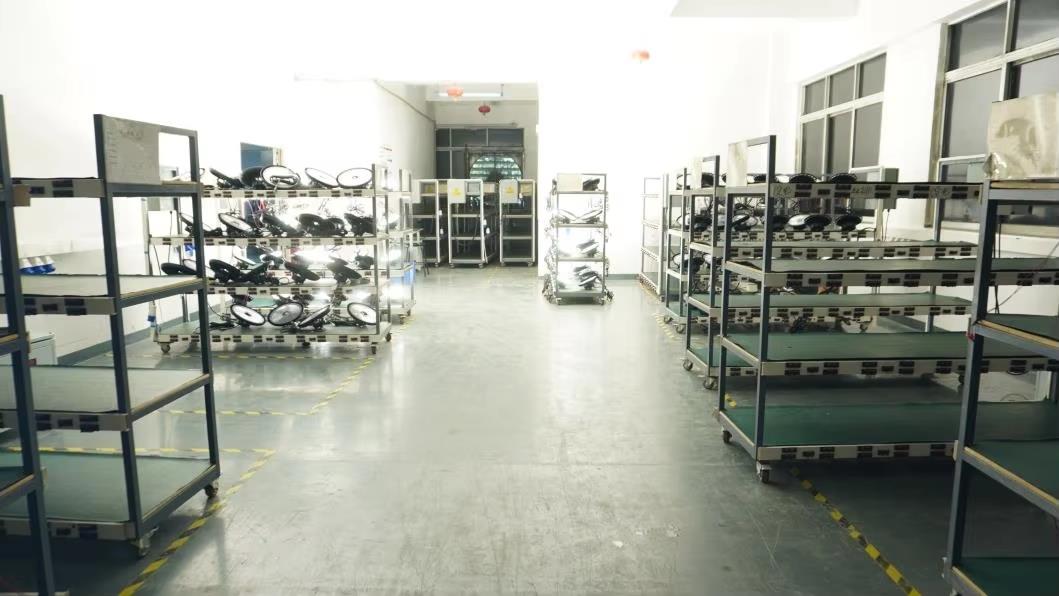
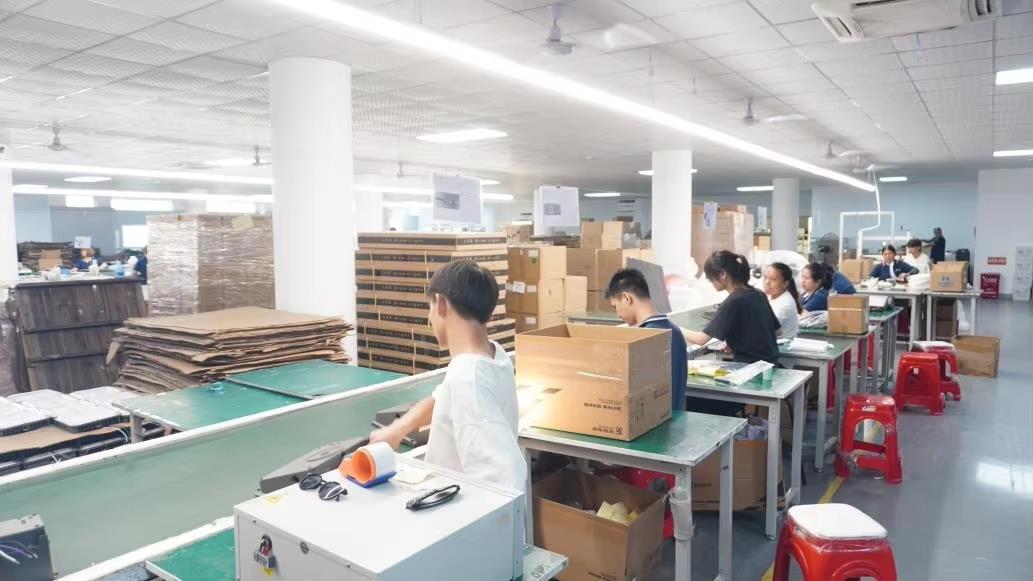
Founded in 2007, Guangdong Dorde Lights Co. Ltd. is a professional manufacturer specializing in LED lighting solutions for residential, commercial, and industrial applications. With years of experience in the lighting industry, we are committed to delivering reliable, energy-efficient, and high-performance lighting products to customers worldwide. Our operational footprint spans advanced processing lines, optical calibration chambers, and modern reliability testing laboratories.
Dorde Lights is dedicated to the research, development, and production of modern LED lighting products. Our product range includes LED panel lights, downlights, linear lights, and customized lighting solutions. By combining practical engineering with contemporary design, we aim to create lighting that is both functional and visually refined. Our engineers constantly test new substrates, phosphor compounds, and micro-lens structures to maximize light output ratio while minimizing color rendering aberrations.
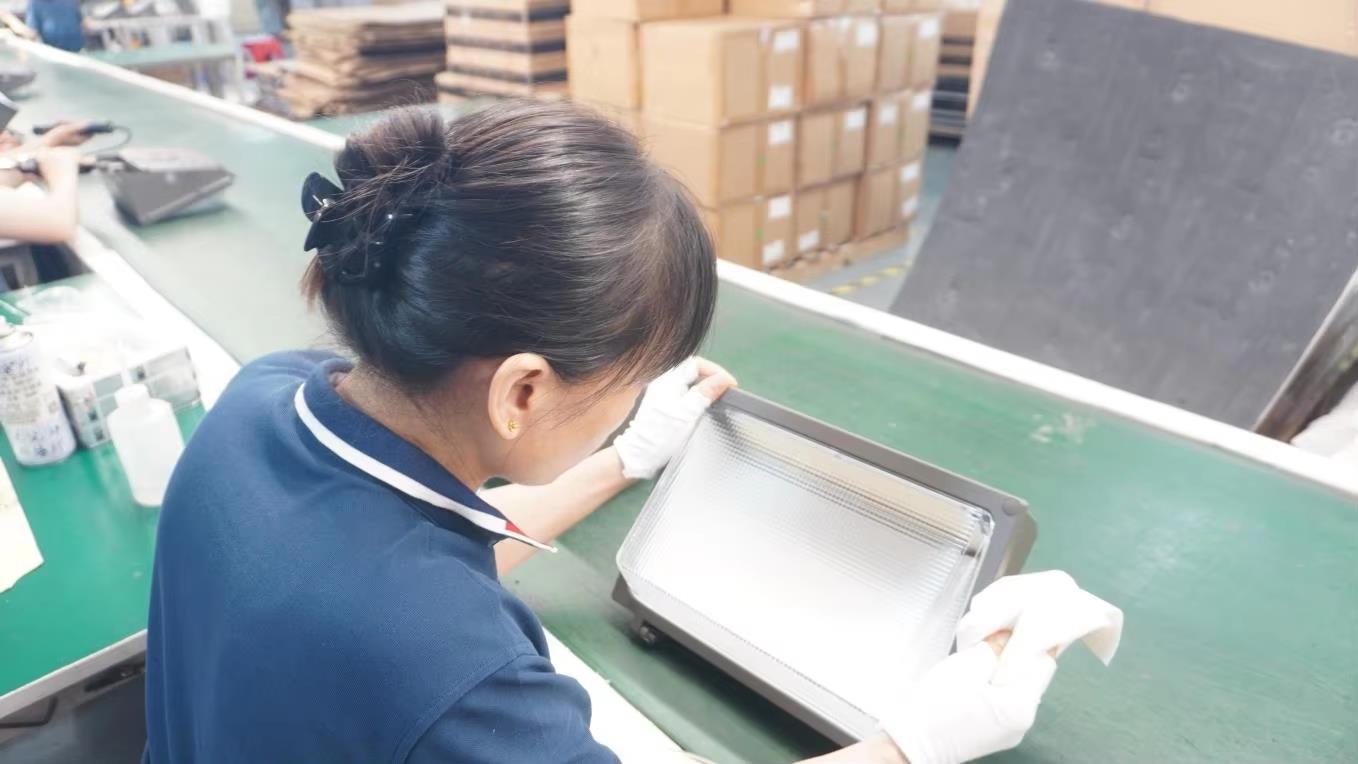
With a well-established production system and stable supply chain partnerships, we ensure consistent product quality, competitive pricing, and efficient delivery. Our manufacturing process follows strict quality control standards at every stage—from material selection to final inspection—ensuring reliability and long-term performance. By maintaining direct relations with chip and driver suppliers (such as MeanWell, Osram, and Philips), we mitigate raw material price fluctuations and guarantee shipment schedules for large-scale projects.
We provide flexible OEM and ODM services to meet the diverse needs of global clients. By working closely with distributors, project contractors, and brand owners, we develop tailored lighting solutions that align with different market requirements and application scenarios. Whether customizing beam angles, designing specialized cooling fins, or programing unique DMX driver profiles, our R&D department delivers swift prototyping and comprehensive photometric data.
At Dorde Lights, we believe long-term success comes from trust and consistency. We are committed to maintaining close cooperation with our partners and continuously improving our products and services to adapt to evolving market demands. We implement an iterative feedback loop where field failure reports instantly inform design modifications on the active manufacturing floor.
Our vision is to become a trusted global LED lighting manufacturer recognized for quality, innovation, and customer-focused solutions. We will continue to invest in product development and manufacturing excellence to bring better lighting experiences to users around the world.
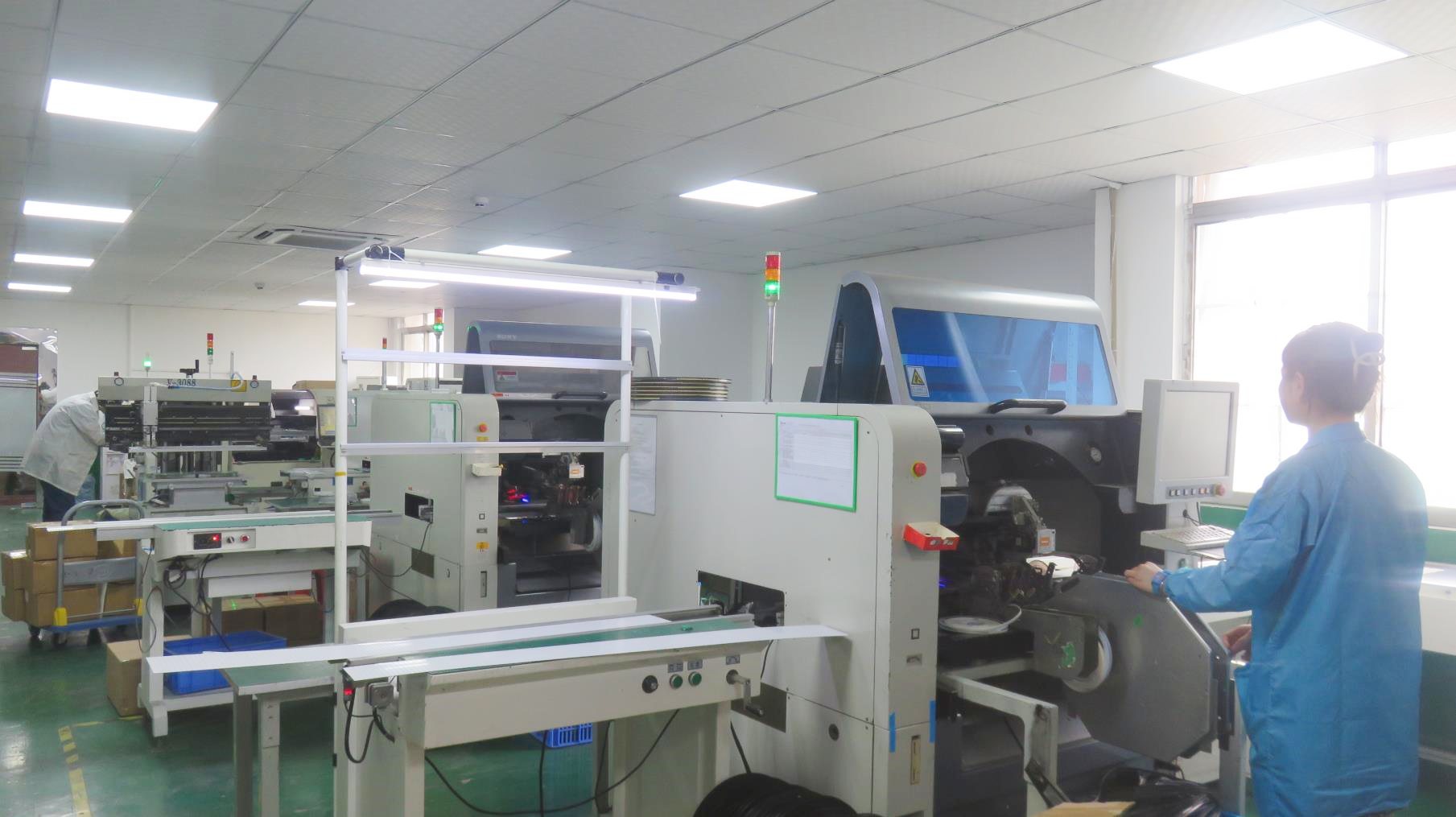
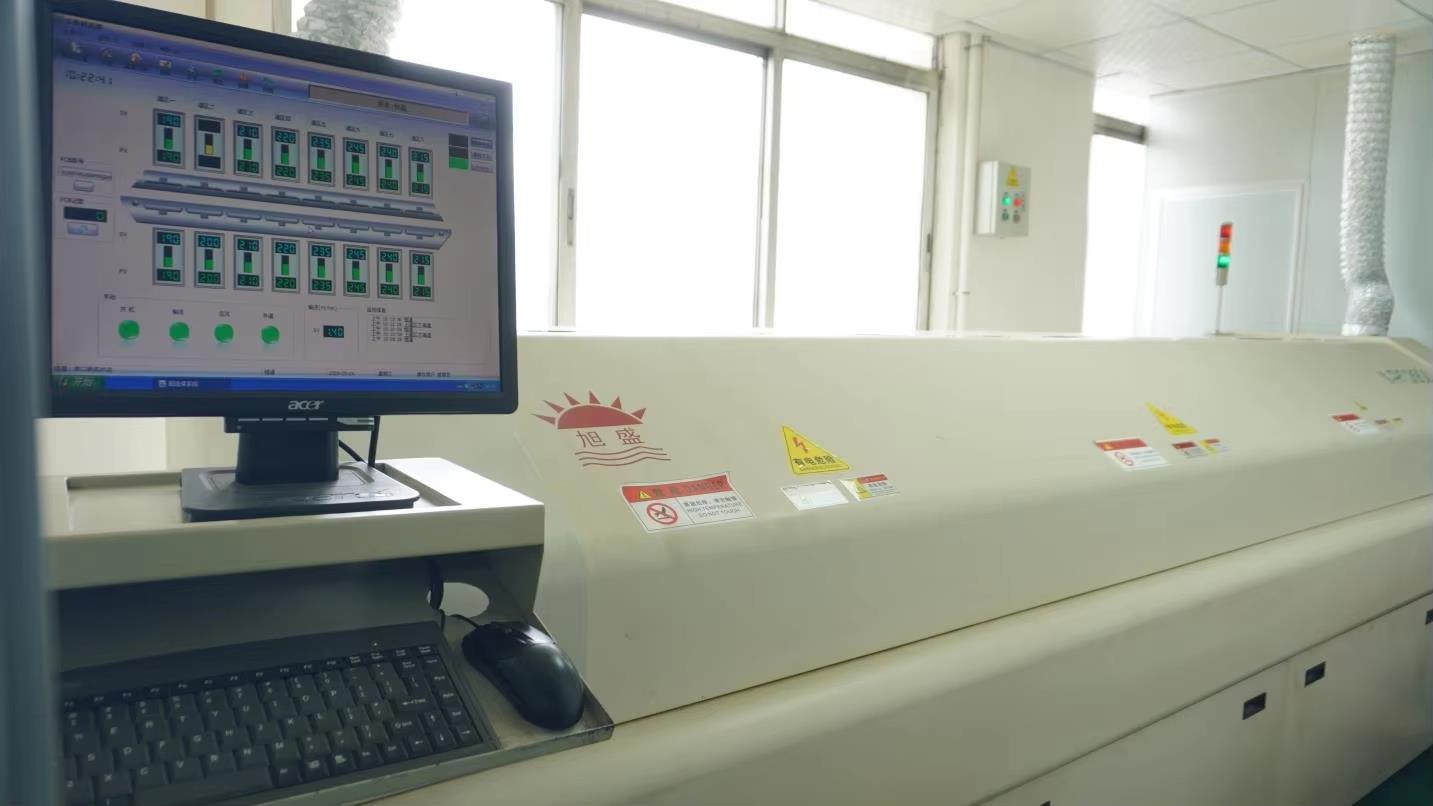
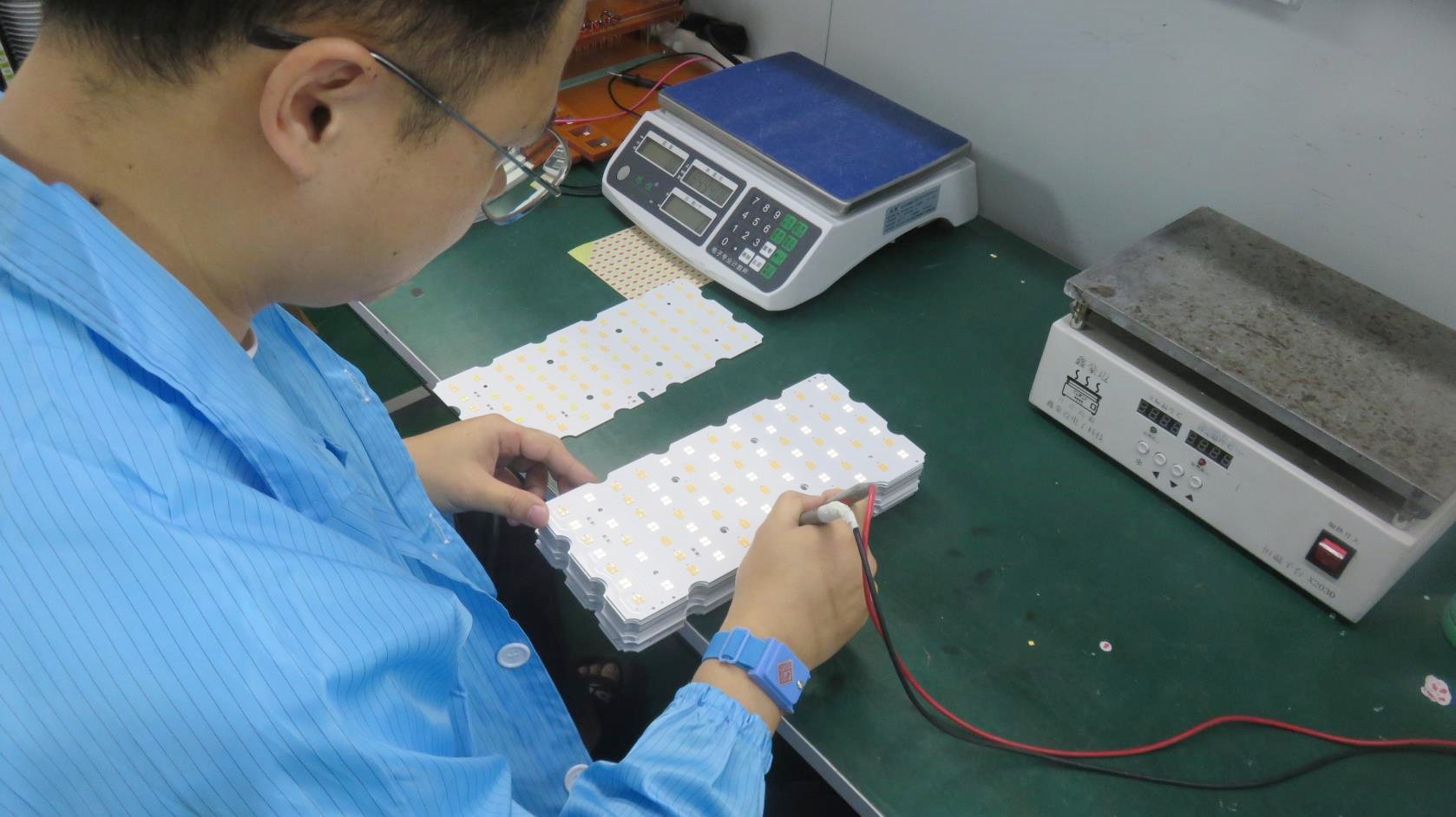
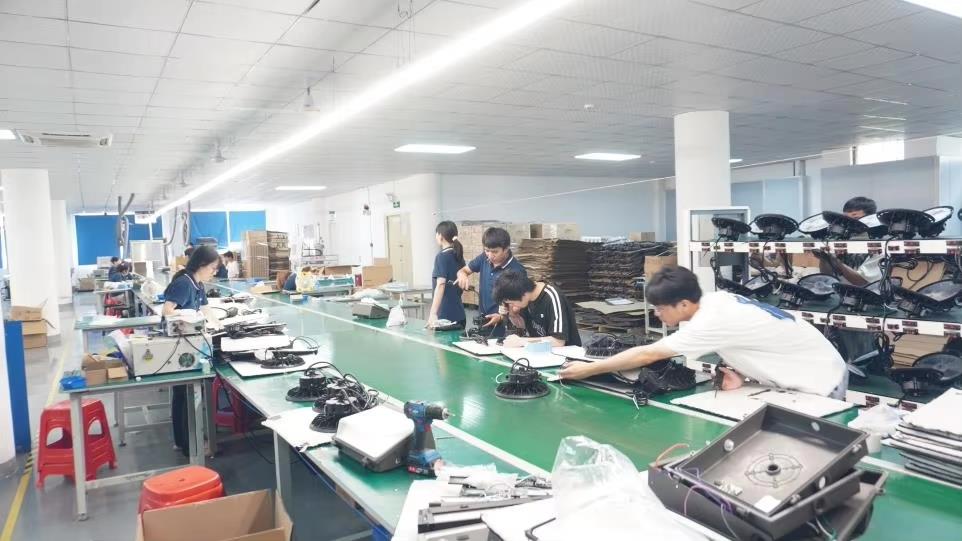
Inside Dorde Lights' highly automated production facilities, ensuring precision engineering from component SMT to final system validation.
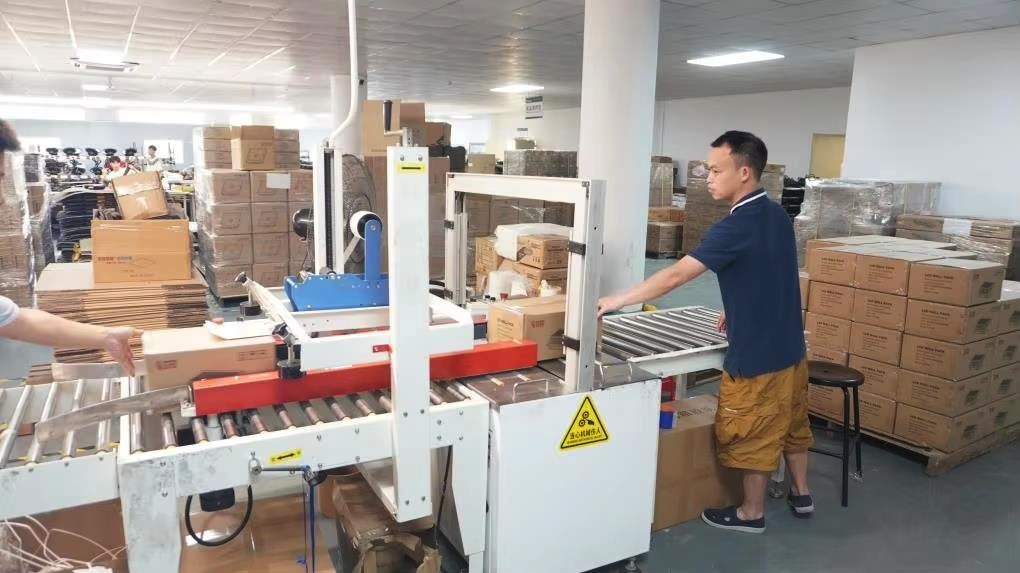
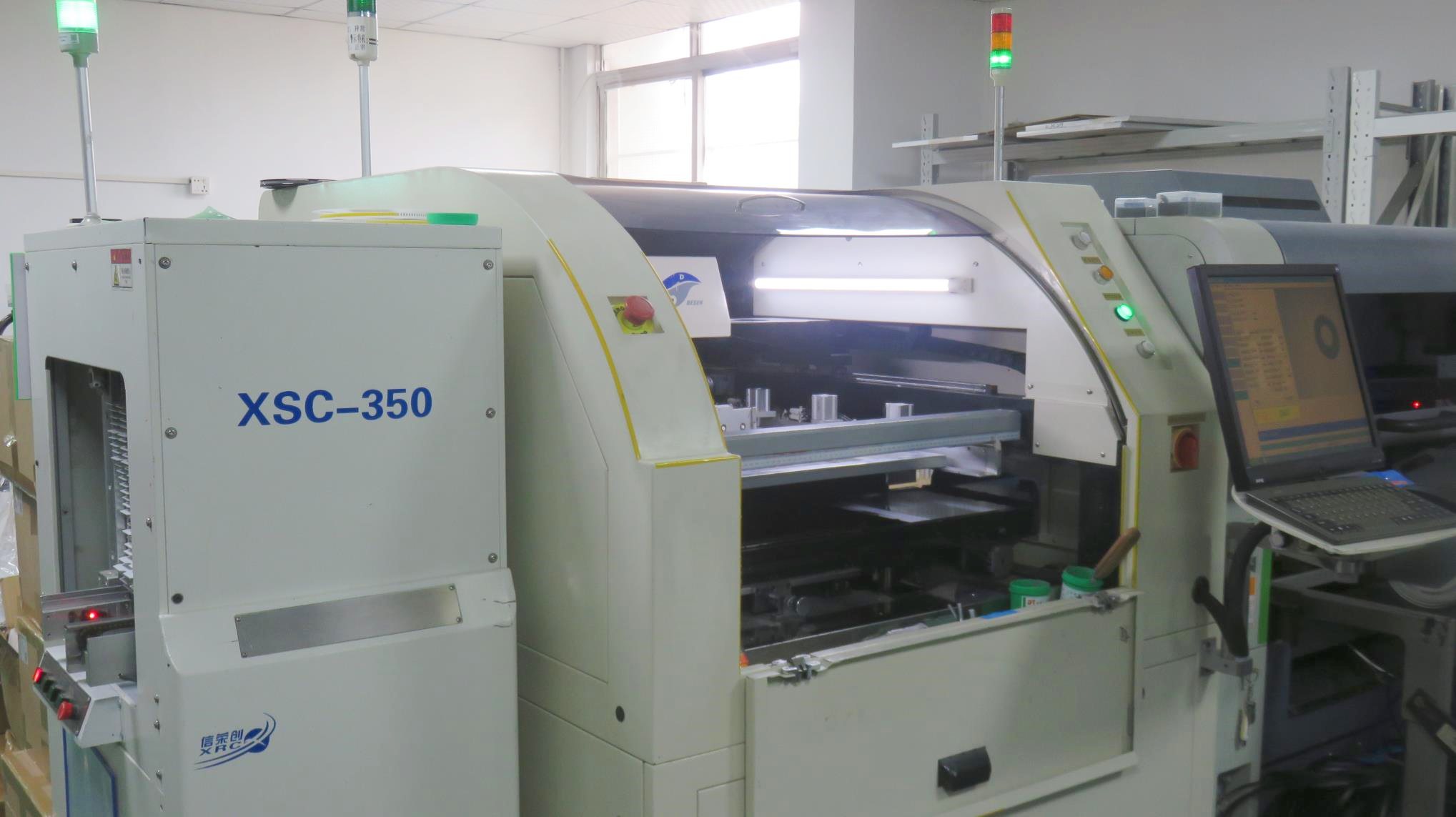
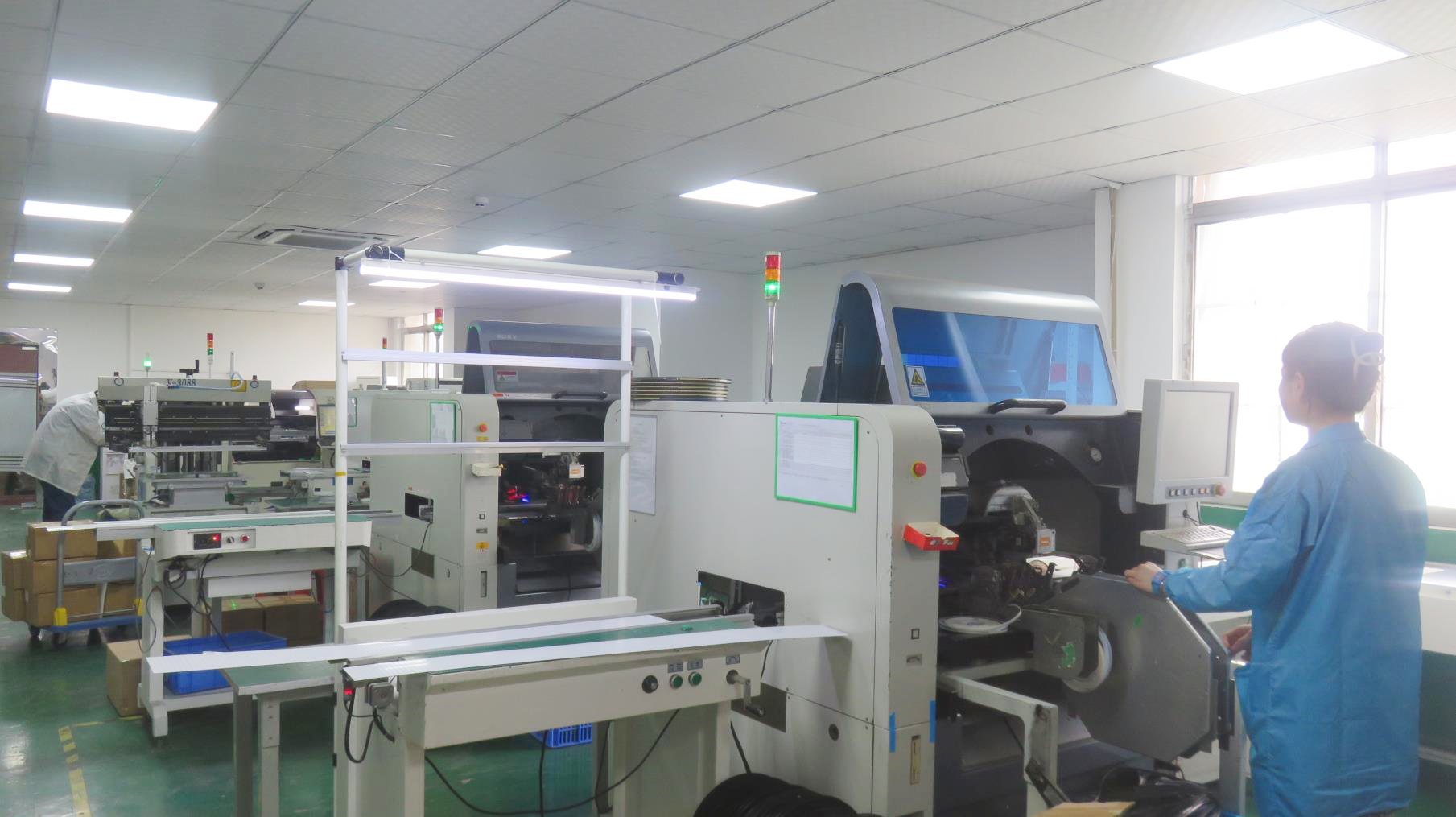
The theater illumination landscape has evolved past simple light projection. Today's dynamic architectural and performance lighting installations require a comprehensive systems approach. Designing lighting for a large opera house, a corporate studio, or a public landmark necessitates the integration of specialized technologies.
For television studios and performance spaces, the interaction of high-definition camera arrays and solid-state LED emitters presents unique challenges. Pulse-Width Modulation (PWM) frequencies must be adjustable—typically from 1,200Hz up to 25,000Hz—to avoid the visual banding (rolling shutter effect) common on digital broadcast cameras. Additionally, multi-spectral light engines (such as RGBAL: Red, Green, Blue, Amber, Lime) are increasingly favored over simple RGBW configurations. The addition of lime and amber chips fills the spectral gap in the cyan and yellow wavelengths, yielding natural, lifelike skin tones and wider, richer color-mixing spectrums.
When lighting crosses over into outdoor installations, ruggedized ingress protection becomes a critical parameter. Modern architectural washers, such as IP67-rated linear bars, must survive harsh wind loads, freeze-thaw cycles, and corrosive atmospheres. Incorporating high-purity aluminum extrusion housings with pressure-equalizing breathing valves prevents condensation behind the optical lens, ensuring stable light distribution over years of service.
Transition from high-intensity discharge (HID) and tungsten lamps to multi-color LED modules. Standardized implementation of TM-30-15 metrics to measure color fidelity (Rf) and gamut area (Rg), replacing the single-axis CRI measurement.
Integration of IoT controllers into individual fixtures. Real-time logging of operating parameters such as driver temperature, voltage spikes, and LED luminous decay. Implementing auto-tuning firmware that dynamically compensates for diode degradation over time to keep uniform output across massive configurations.
Developing projection modules that use liquid-crystal displays (LCD) or digital micro-mirror devices (DMD) to shape beams digitally. This technology will allow operators to program shutter shapes and complex gobo patterns directly via software, eliminating the need for mechanical framing shutters and physical gobo wheels.
Navigating international trade and safety standard frameworks is a key responsibility for high-caliber manufacturers. Stage fixtures, studio lights, and outdoor washers draw substantial power and are suspended above public spaces, making rigorous third-party safety testing essential.
Compliance with UL 1573 (standards for stage and studio luminaires) and EN 60598 series is essential. Additionally, products must pass IEC 62471 photobiological safety assessments to ensure they present no optical hazard to stage performers or studio audiences.
High-output LED drivers emit substantial radio-frequency noise. Strict compliance with FCC Part 15 and CISPR 15 prevents interference with sensitive wireless microphones, communication headsets, and studio audio transmission chains.
Adherence to RoHS (Restriction of Hazardous Substances) and WEEE directives ensures all lead-free assembly processes and packaging materials use eco-friendly compounds. This commitment simplifies import procedures in the European Union and North America.
Answering critical engineering and procurement queries for theatrical, commercial, and architectural lighting installations.
From heavy-duty underwater architectural systems to specialized grow lights and professional linear bay lights.
 Dorde Lights