Engineered high-performance LED luminaires built for gas stations, warehouses, and demanding industrial applications.
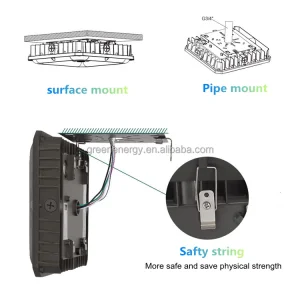
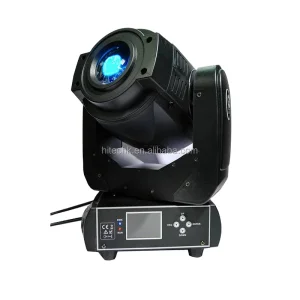
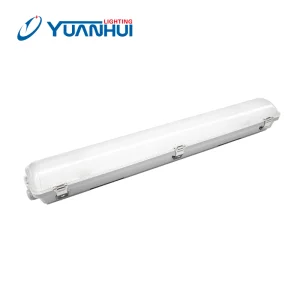
The global industrial and commercial lighting markets are undergoing a fundamental transition driven by energy security policies, decarbonization goals, and intelligence integration. Once valued merely for brightness and durability, outdoor floodlights and canopy systems are now complex optoelectronic components within smart city infrastructures. High-performance outdoor LED flood lighting has evolved from basic metal-halide replacements into integrated systems designed to balance high visual acuity with minimal spatial emissions. This transformation highlights the crucial role played by Top Chinese LED manufacturers. Through continuous improvements in thermal management, optical efficiency, and electronic integration, they have moved from low-cost assembly to leading-edge technological development.
Today, sourcing from certified manufacturing partners like Guangdong Dorde Lights Co. Ltd. ensures that developers and electrical contractors receive luminaires that comply with global technical specifications. Modern LED floodlights must withstand tough environments, such as marine sea spray and intense industrial vibrations. Selecting the right manufacturer requires a deep dive into the engineering choices, material sciences, and quality assurance processes that differentiate premium systems from basic consumer hardware.
Advanced commercial lighting is no longer just about wattage. Instead, it is focused on performance indicators like light quality, system efficacy, and integration with building management systems. High-intensity discharge (HID) and metal halide fixtures have become obsolete. Replacing them are high-efficacy LED modules that utilize advanced surface-mount technologies (SMT) and integrated drivers.
Modern commercial floodlighting relies on advanced light emitting diode chips (such as Cree, Lumileds, or Osram). These chips achieve high luminous efficacies, exceeding 180 lumens per watt (lm/W) at the component level and up to 150 lm/W at the fixture level. These modern chips utilize flip-chip or chip-on-board (COB) technologies to lower thermal resistance at the junction. Lower junction temperatures mean minimal lumen degradation over time, ensuring that the light maintains at least 90% of its initial output (L90) for more than 50,000 operating hours.
The lifetime of an LED module is directly linked to its thermal management. High-performance industrial floodlights use die-cast A380 or ADC12 grade aluminum alloy housings. These housings have integrated vertical cooling fins to prevent dust buildup while maximizing heat dissipation through natural convection. Some premium outdoor luminaires also feature graphene-coated heat sinks, which improve heat dissipation by up to 20% compared to standard anodized aluminum. This allows the fixtures to operate reliably in high-temperature environments, such as desert oil fields and steel mills.
Modern floodlight designs are increasingly integrating wireless controls and smart sensors. By utilizing NEMA 3-pin, 5-pin, or 7-pin twist-lock receptacles, outdoor luminaires can be fitted with intelligent photocells or mesh node controllers (DALI-2, Zigbee, or LoRaWAN). Features like microwave motion sensors and time-controlled dimming profiles allow industrial facilities to dim the light output during periods of low activity. This step reduces energy consumption by up to an additional 40% while maintaining required security lighting levels.
Utilizing high-precision PMMA or PC lenses to deliver tailored beam distributions (Type I, II, III, IV, or V). This ensures minimal glare, reduces light spill, and maximizes target illumination uniformity.
Integrated with high-quality drivers (e.g., Mean Well, Inventronics, Sosen) featuring robust line protection mechanisms, high power factors (PF > 0.95), and low Total Harmonic Distortion (THD < 15%).
Complies with strict outdoor standards, including Dark Sky initiatives (eliminating upward light pollution) and offering specialized CCT ranges (from 2200K warmer tones to 5700K daylight spectra).
For procurement officers, sourcing industrial outdoor LED floodlights goes beyond comparing initial cost metrics. Global corporate buyers must focus on systemic parameters that ensure long-term ROI, project safety, and ease of installation.
Understanding these procurement requirements is key to avoiding premature system failures. High-power outdoor fixtures are subjected to temperature fluctuations, solar radiation, corrosive environments, and electrical grid instability. Procurement specifications should focus on several key areas:
| Technical Specification Parameter | Standard Residential Grade | Premium Industrial / Commercial Grade | Sourcing Recommendation for Global Projects |
|---|---|---|---|
| Luminous Efficacy | 80 - 100 lm/W | 130 - 160+ lm/W | Select >130 lm/W to maximize rebate eligibility (DLC/Ecodesign) |
| Driver Lifespan & Warranty | 20,000 hrs / 2-Year Warranty | 50,000 - 100,000 hrs / 5 to 7-Year Warranty | Demand Mean Well, Sosen, or Inventronics drivers with a 5-Year warranty |
| Surge Protection (SPD) | None or 1kV - 2kV | 6kV, 10kV, or 20kV Integrated SPD | Specify minimum 10kV SPD for outdoor pole-mounted floodlights |
| Ingress & Impact Ratings | IP65 / IK06 | IP66 or IP67 / IK08 to IK10 | Specify IP66 + IK09 for public areas, warehouses, and gas stations |
| Power Factor (PF) & THD | PF > 0.70 / THD > 25% | PF > 0.95 / THD < 15% | Mandatory for industrial utility grids to avoid reactive power surcharges |
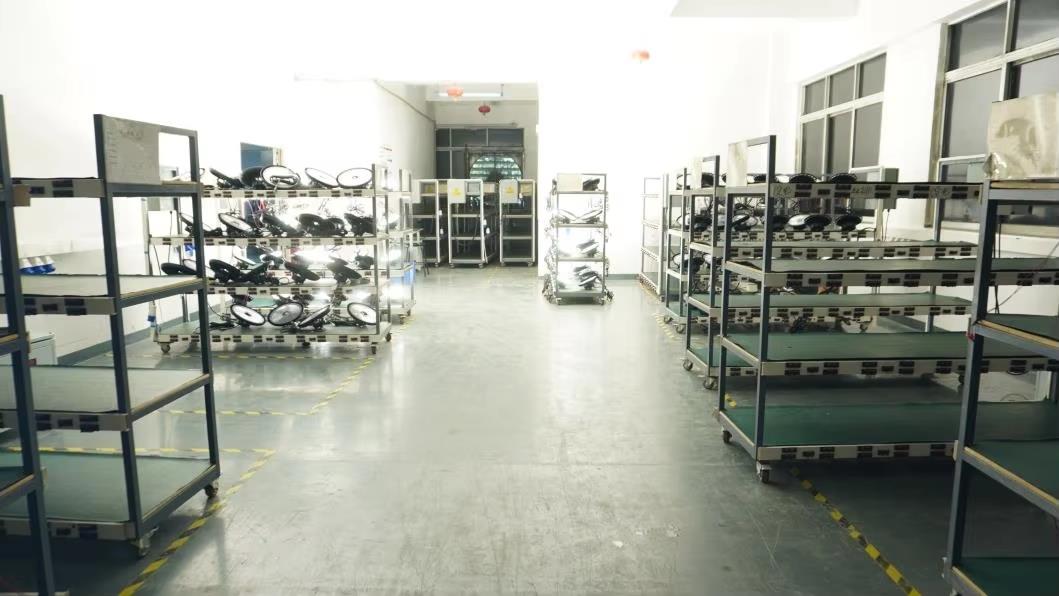
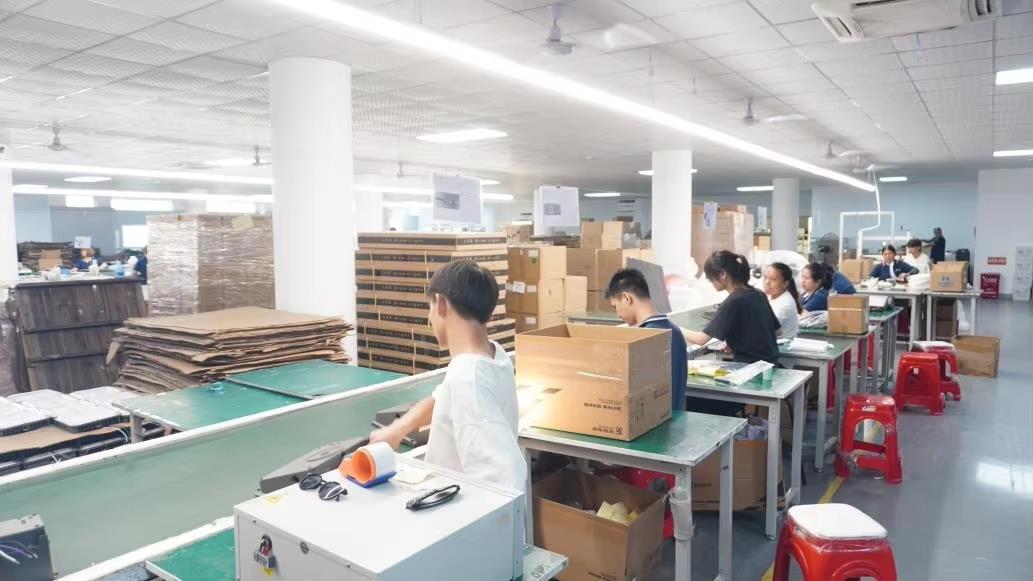
The global dominance of China's LED lighting manufacturing is driven by structural and technological advantages. Top-tier manufacturers in Guangdong have transitioned from assembly-focused production to automated "Smart Factory" environments. This move is supported by a localized supply chain cluster in the Pearl River Delta that provides raw components with short lead times.
This geographic concentration of supply chain partners enables manufacturers to source high-purity aluminum ingots, custom optical lenses, precision silicone gaskets, and specialized packaging materials within a 50-kilometer radius of their assembly plants. By eliminating transport delays and lowering logistics costs, Chinese factories can deliver high-quality, customized products to global distributors much faster than competitors in other regions.
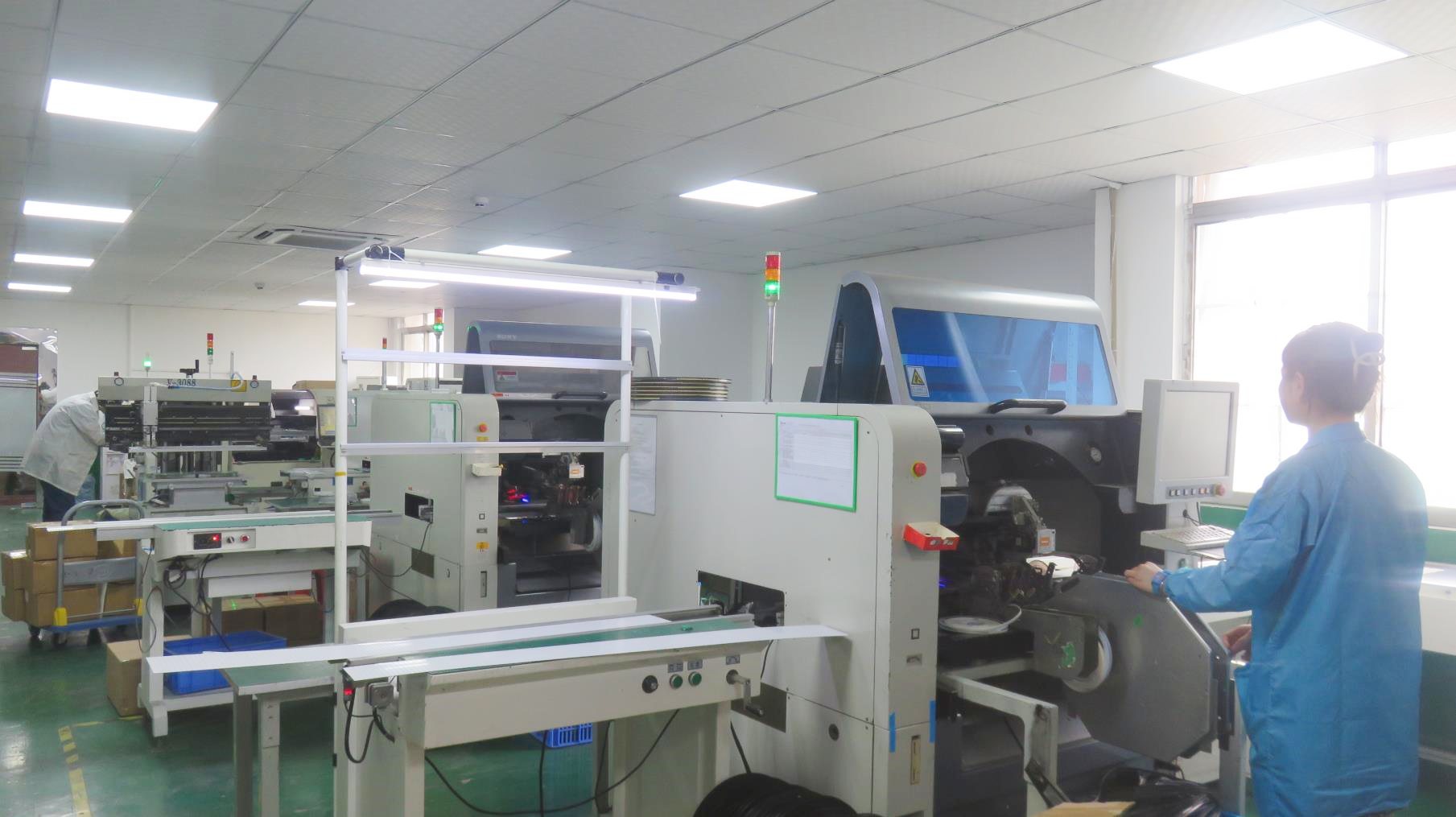
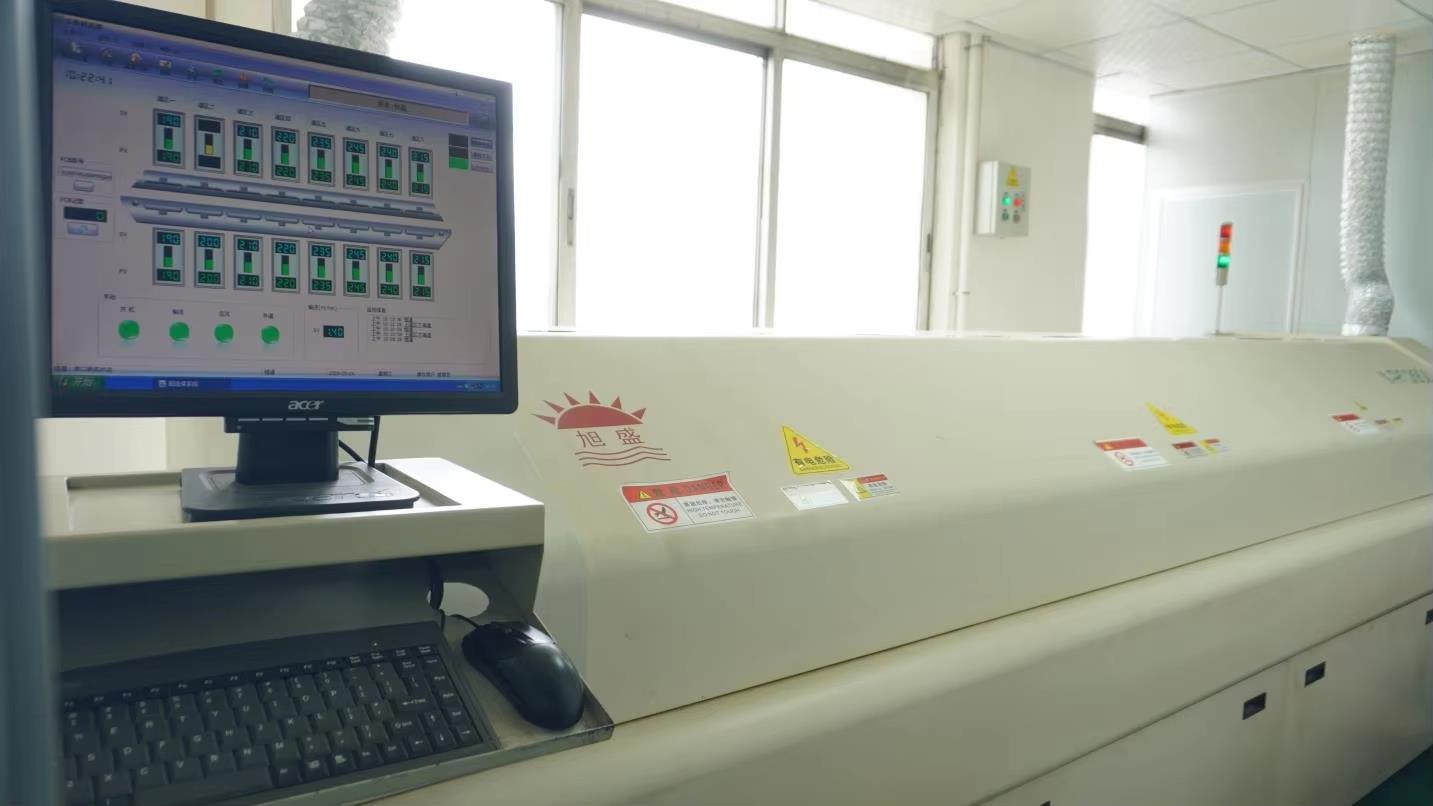
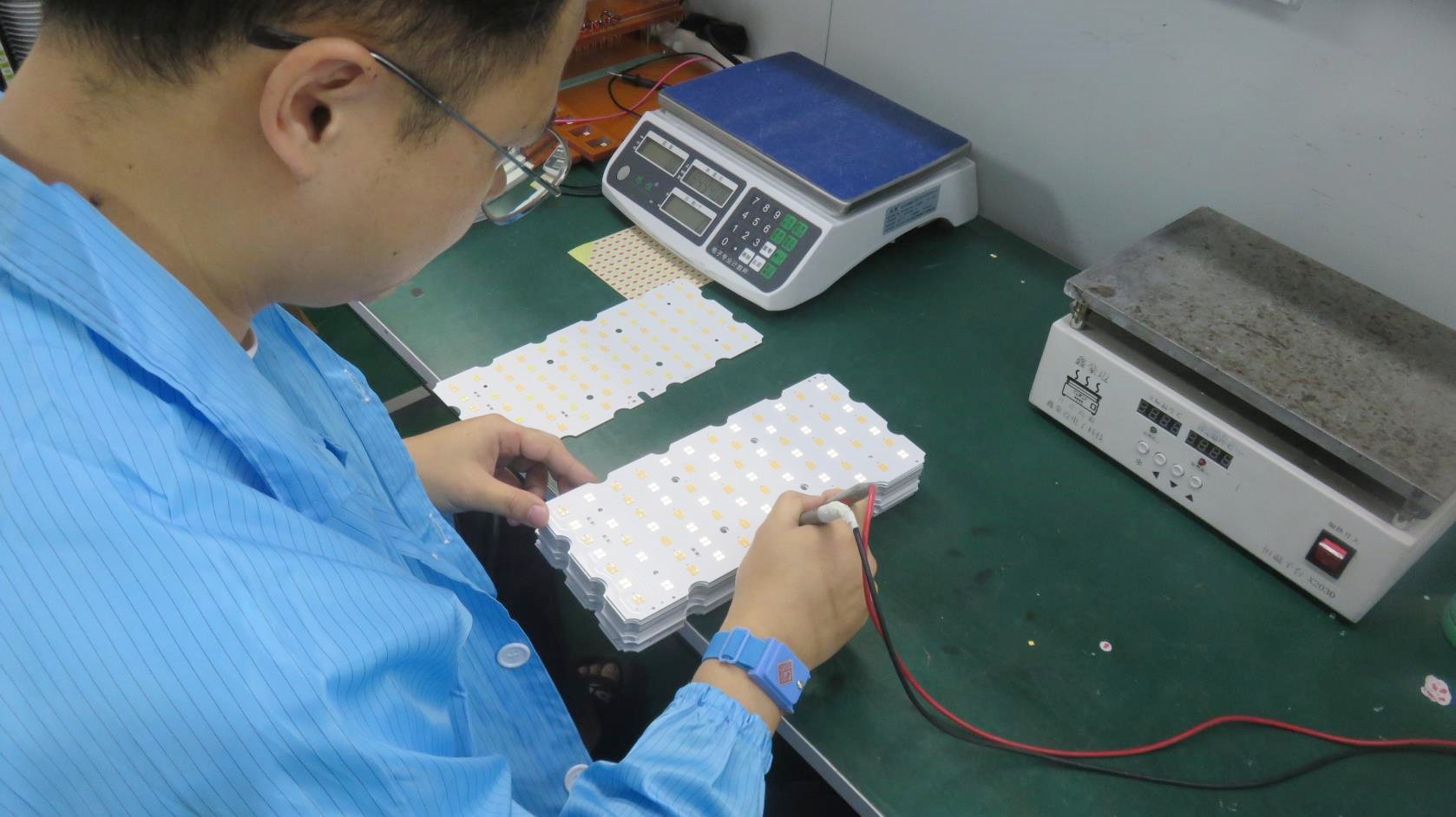
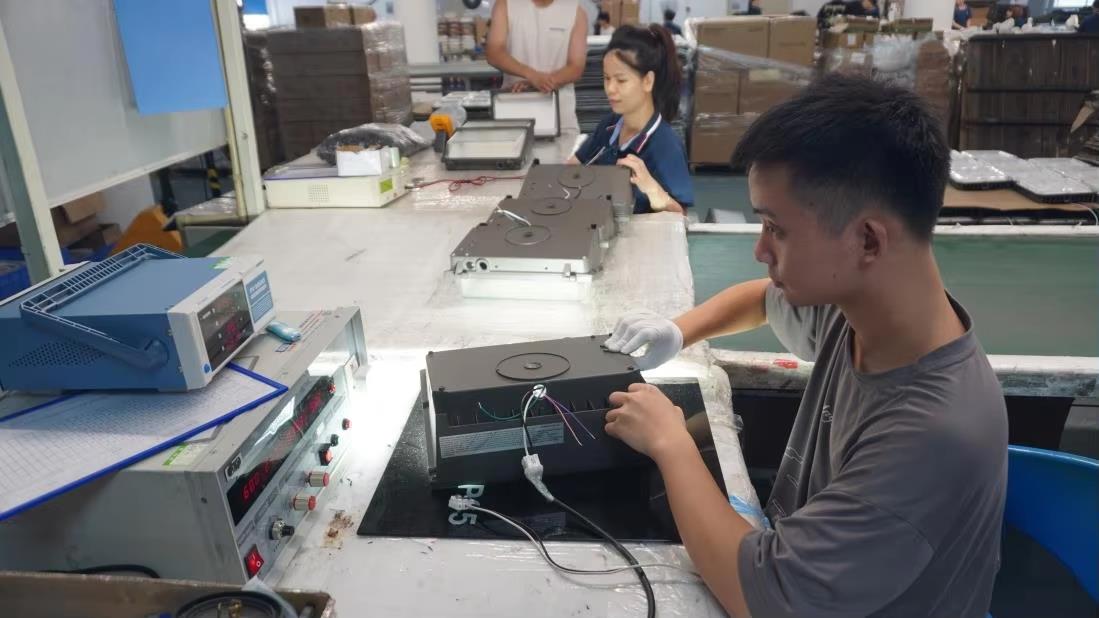
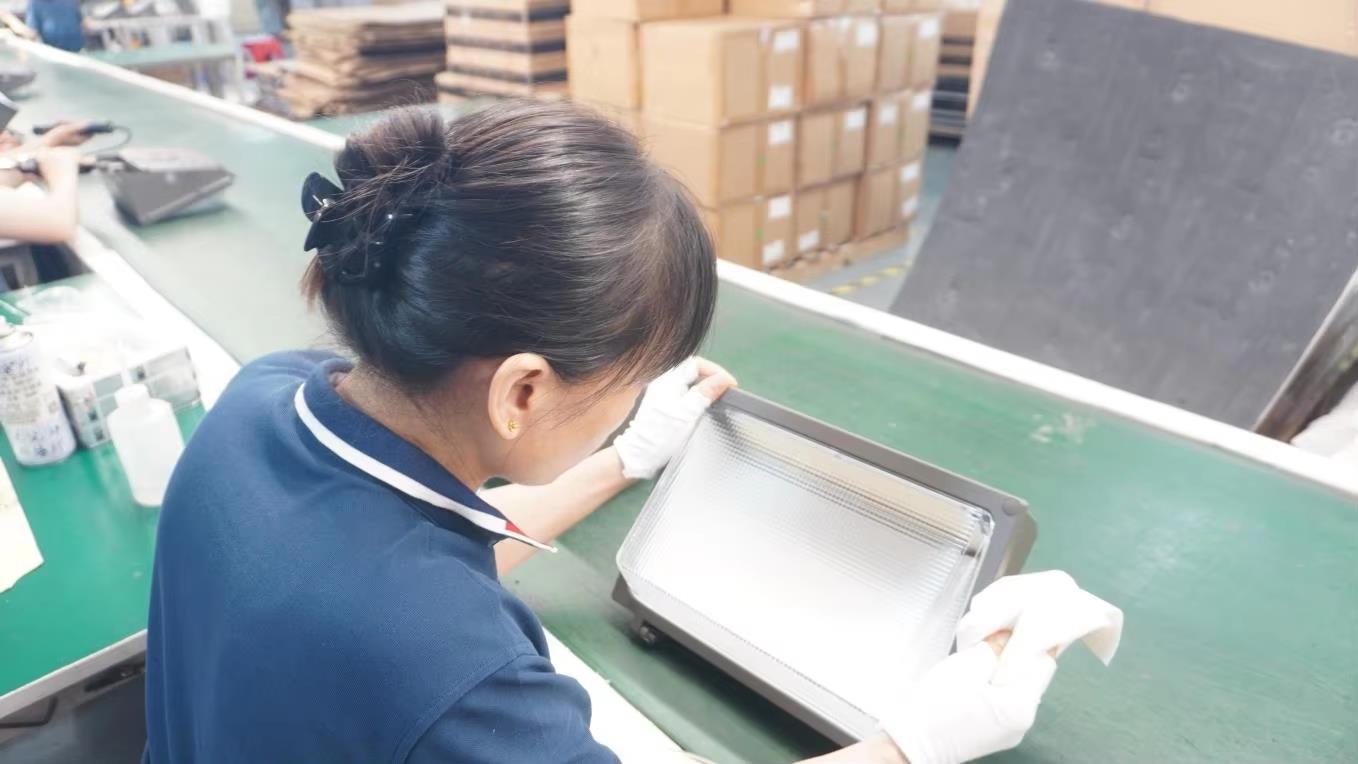
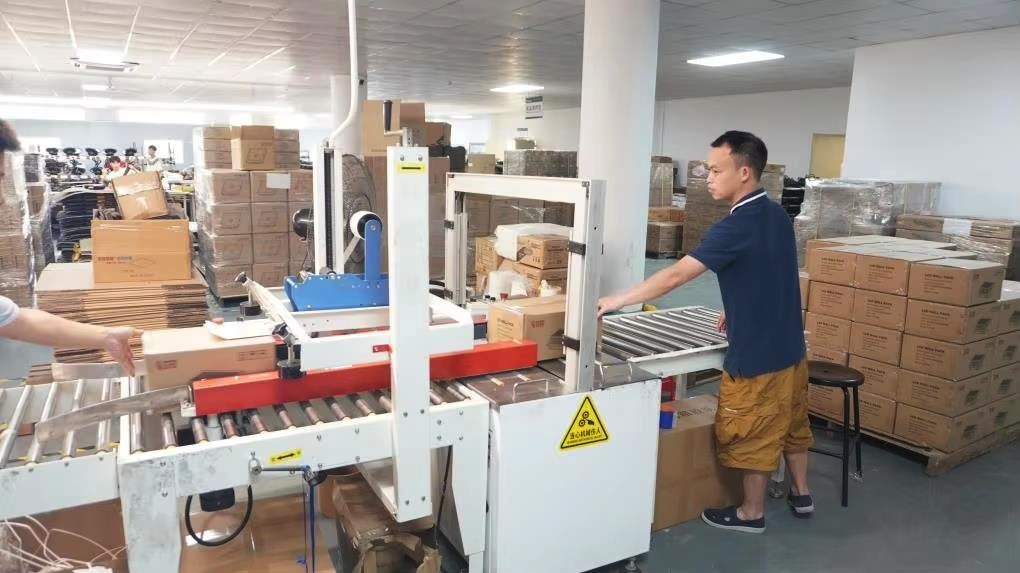
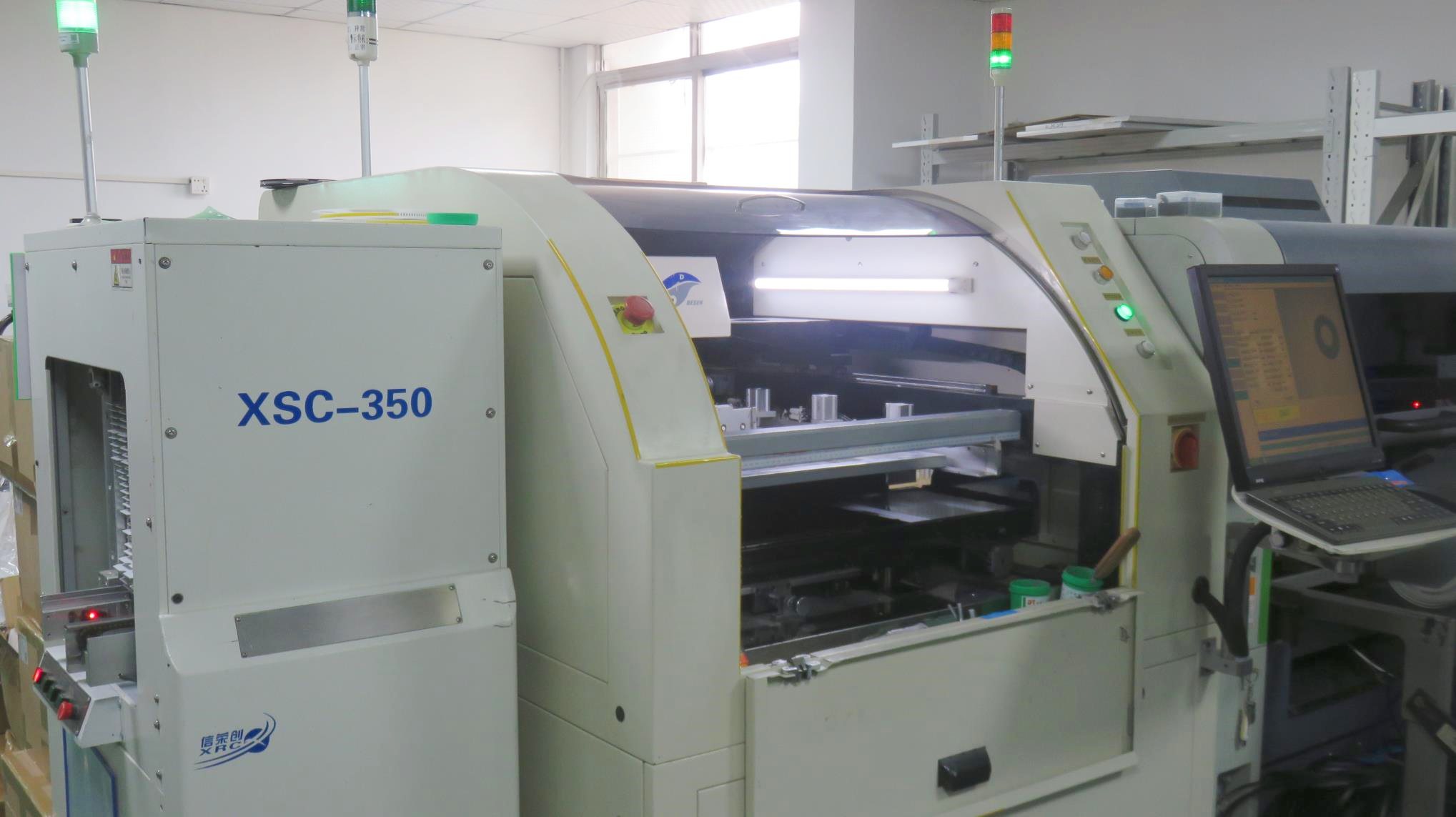
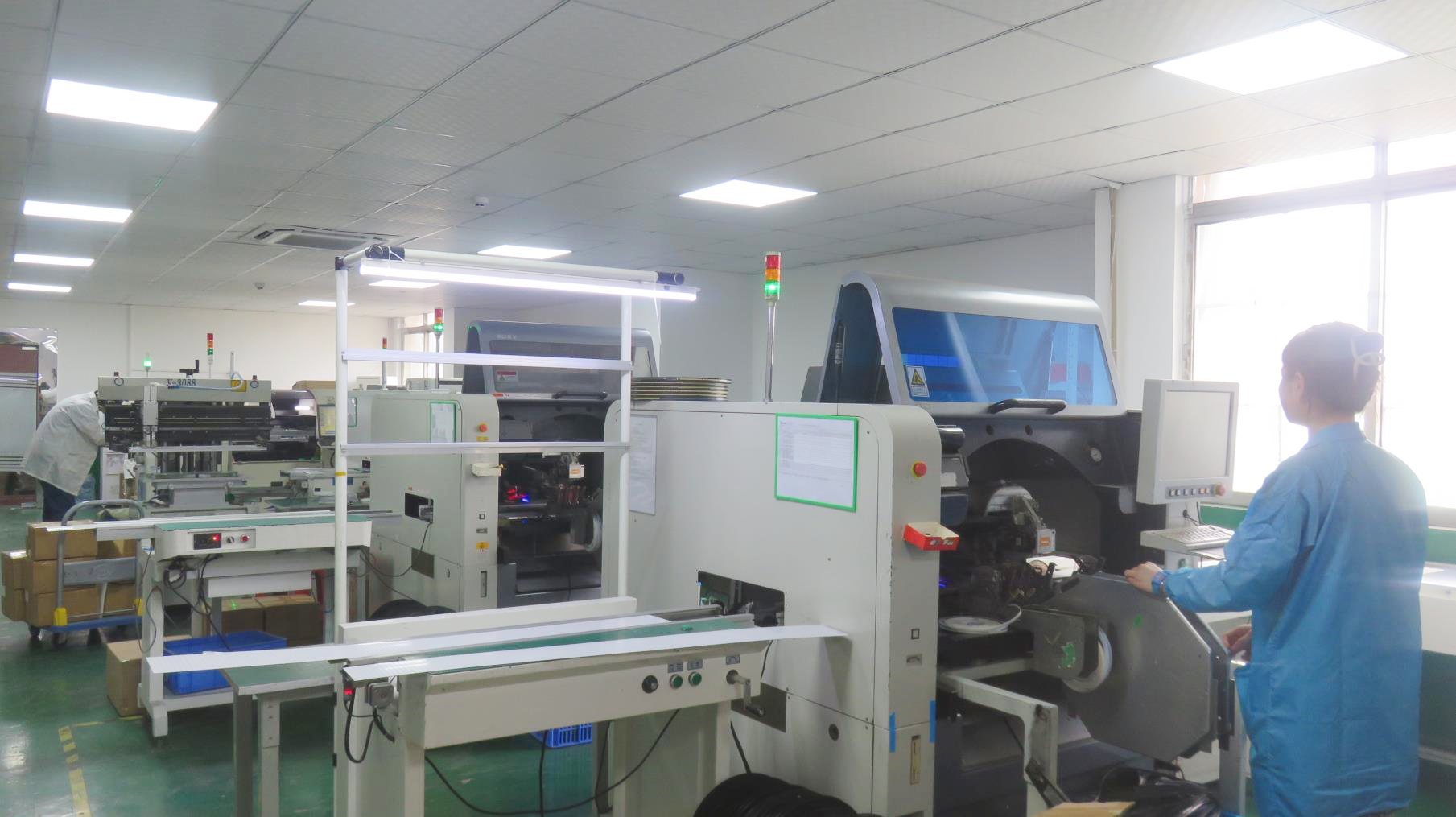
Furthermore, China's "Factory 4.0" manufacturing model relies on automated assembly processes. Automated surface mount technology (SMT) lines place hundreds of LED chips per minute with micron-level precision, reducing human error. Automated nitrogen-filled reflow soldering ovens ensure strong solder connections, preventing early circuit failures. Automated optical inspection (AOI) systems then scan each circuit board, identifying and correcting defects before assembly. This level of automation keeps product quality consistent, even during high-volume production runs.
Modern floodlighting is highly specialized, with different application environments requiring distinct engineering approaches. Understanding these localized design challenges is essential for long-term project success.
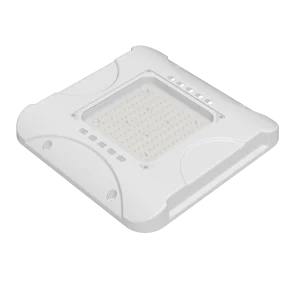
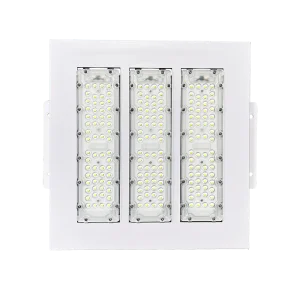
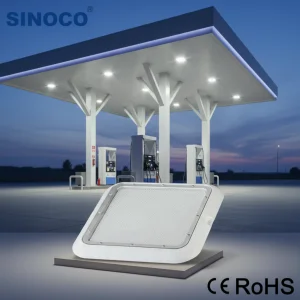
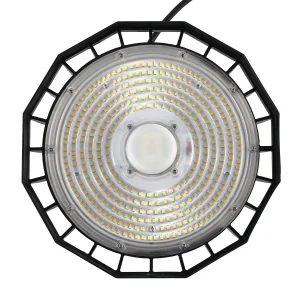
Gas station under-canopy lighting requires fixtures that combine high visual comfort with safety certifications. Due to the potential presence of explosive hydrocarbon vapors, canopy lights must feature sealed, spark-free designs (IP65 or IP66 rating). From a photometric standpoint, gas station lighting requires a clean, high-intensity light distribution (typically Type V symmetric or asymmetric forward-throw optics). This ensures the pump lanes are well-lit, making customers feel safe and secure, while directing light downward to prevent spill into surrounding areas. Modern LED canopy fixtures, ranging from 50W to 250W, easily replace old 175W to 400W metal halide luminaires, saving more than 60% in energy costs.
Industrial logistics hubs, rail yards, and container terminals require high-power floodlights installed on tall masts (ranging from 15 to 45 meters). These fixtures must project light over long distances while resisting continuous exposure to the elements. They require robust wind load ratings (up to 60 m/s), high-grade anti-vibration brackets, and C5-M marine-grade powder coatings to prevent corrosion from salt air. Modern designs feature modular LED engines, allowing maintenance crews to swap out individual LED modules or drivers without replacing the entire fixture.
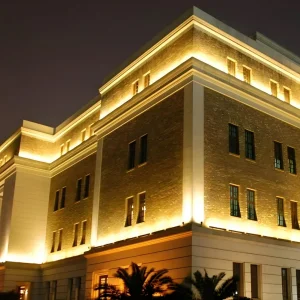
Architectural wall washing utilizes dynamic lighting to highlight the facades of commercial offices, hotels, and public landmarks. These projects rely on linear LED wall washers and spotlight modules featuring RGB, RGBW, or tunable white light. Controlled via standard DMX512 protocols, these fixtures create smooth color transitions and dynamic lighting effects. To ensure precise beam placement, the luminaires use narrow-angle lenses (down to 15°) combined with internal honeycomb louvers to reduce glare for pedestrians at street level.
Founded in 2007, a professional manufacturer specializing in LED lighting solutions for residential, commercial, and industrial applications.
With years of experience in the lighting industry, Guangdong Dorde Lights Co. Ltd. is committed to delivering reliable, energy-efficient, and high-performance lighting products to customers worldwide. Our core dedication centers on the research, development, and production of modern LED lighting products, including LED panel lights, downlights, linear lights, and customized lighting solutions. By combining practical engineering with contemporary design, we aim to create lighting that is both functional and visually refined.
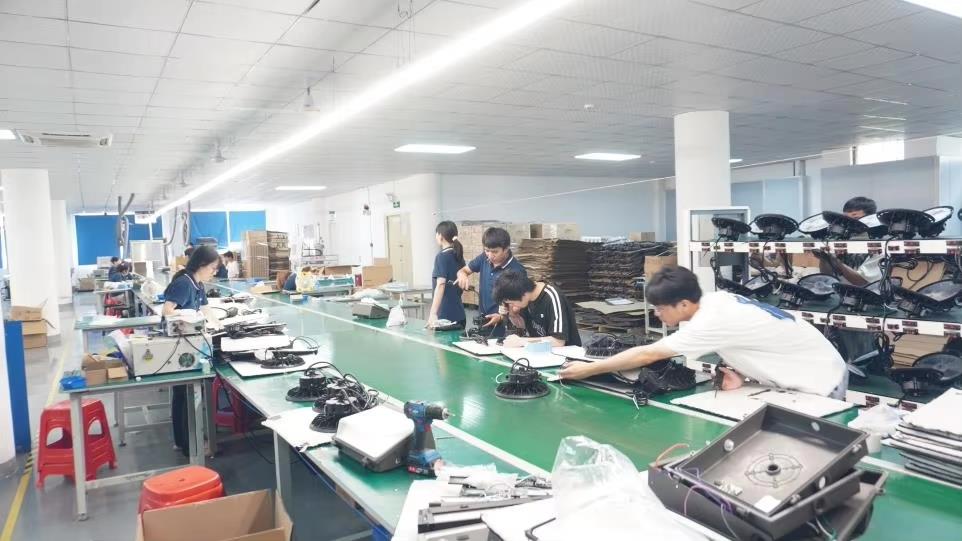
Through our well-established production system and stable supply chain partnerships, we ensure consistent product quality, competitive pricing, and efficient delivery. Our manufacturing process follows strict quality control standards at every stage—from material selection to final inspection—ensuring reliability and long-term performance. We provide flexible OEM and ODM services to meet the diverse needs of global clients, working closely with distributors, project contractors, and brand owners to develop tailored lighting solutions that align with different market requirements.
Critical engineering answers to assist global project planners and procurement teams.
Explore our full line of specialized commercial LED solutions, built to withstand challenging outdoor and indoor environments.
 Dorde Lights