Cleaning acrylic diffusers on panel lights is essential for optimal lighting performance. According to lighting expert John Smith, "Acrylic diffusers can accumulate dust quickly, impacting brightness." Knowing how to clean acrylic diffusers on panel lights ensures clear, bright spaces.
Understanding the right techniques is crucial. Improper cleaning can scratch or damage the acrylic surface. Use gentle materials and appropriate cleaners for effective results. Many overlook the importance of this task, but routine maintenance can prolong the life of your lighting fixtures and maintain their efficiency.
Remember, cleaning isn't just about removing visible dirt. It's also about preserving the quality of light. As Smith emphasizes, keeping diffusers clean enhances not only lighting aesthetics but also overall ambiance. Regular cleaning helps avoid dullness and maintains a welcoming environment.
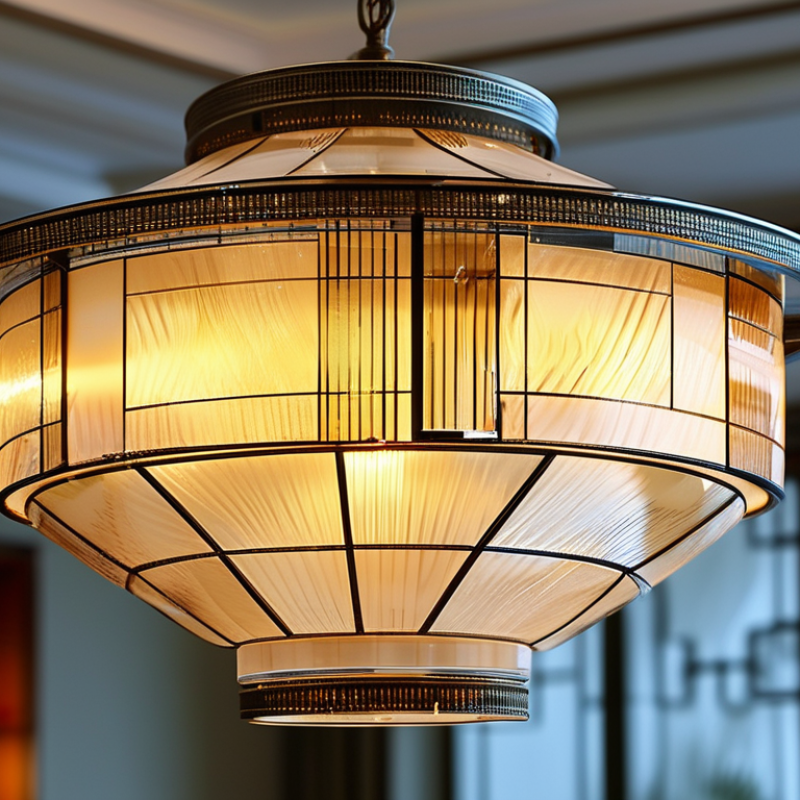
Acrylic diffusers play a crucial role in panel lights. They help distribute light evenly, enhancing illumination quality. According to the Illuminating Engineering Society, properly designed diffusers can increase light comfort and reduce glare by up to 40%. This improvement is vital in both residential and commercial settings, where lighting quality significantly impacts mood and productivity.
Cleaning acrylic diffusers is essential for maintaining their performance. Dust and grime can accumulate over time, diminishing light output. Regular maintenance ensures optimal brightness levels. One effective approach is using a soft microfiber cloth paired with a gentle acrylic-safe cleaner. Avoid ammonia-based products, as they may cause clouding.
It’s essential not to overlook the benefits of clean diffusers. Beyond aesthetic appearance, clear panels ensure better light transmission. This is particularly significant in spaces requiring focused lighting, such as offices or workstations. Neglecting this routine can lead to reduced visibility and increased energy costs. Taking the time to care for these components reflects a commitment to quality and performance.
To clean acrylic diffusers effectively, gathering the right tools and materials is key. Start with a microfiber cloth; it’s gentle and won’t scratch the surface. Use a bucket of warm water mixed with mild dish soap. Avoid harsh chemicals that could damage the acrylic. A soft sponge can help remove tough stains without causing harm.
When cleaning, dampen the cloth or sponge rather than soaking it. Excess water can seep into fixtures, causing more problems. Wipe the surface in a circular motion to lift dirt gently. For tough spots, a mixture of vinegar and water can work wonders, but test it on a small area first.
After cleaning, dry the diffuser thoroughly with a soft cloth. This prevents streaks and ensures optimal light diffusion. It's essential to check for any scratches or imperfections after cleaning, as these can affect light quality. If you notice any, consider replacing the diffuser for best performance. Taking these steps will help maintain the clarity and functionality of your acrylic diffusers over time.
Cleaning acrylic diffusers on panel lights requires careful attention. Many people underestimate the importance of proper techniques. Acrylic can scratch easily, leading to cloudy surfaces. Start by turning off the light and allowing it to cool completely. Taking this time is essential for safety.
Use gentle materials for cleaning. Soft microfiber cloths are ideal. For stubborn stains, a mixture of warm water and mild soap works well. Apply the solution gently with the cloth, avoiding any abrasive scrubbing. It’s okay to notice that some smudges persist. Reflect on your technique and try again with a lighter touch.
Rinsing is a crucial step that shouldn’t be overlooked. After cleaning, use a damp cloth to wipe away soap residues. Ensure no moisture remains before reassembling. Allow the diffuser to air dry if needed. Small mistakes can lead to bigger issues, like unwanted scratches. Taking a few moments to clean thoroughly will pay off in improved lighting quality.
When cleaning acrylic diffusers, preventing scratches is crucial. Start by avoiding harsh chemicals. Use warm water with a mild soap instead. This approach minimizes the risk of clouding or damaging the surface of the diffuser. Remember, even gentle scrubbing can leave marks. Choose a soft microfiber cloth for the task. This material is less likely to scratch the acrylic compared to paper towels or rough fabrics.
Pay attention to your cleaning technique. Always wipe in straight lines rather than circles. Circular motions can create swirl marks. Light pressure is key; pressing too hard can lead to unwanted dents or scratches. If any spots remain, it may be best to do a second gentle pass instead of increasing pressure.
Environmental factors also play a role. Dust should be removed regularly to prevent buildup. A can of compressed air can help, ensuring no particles scratch the surface. Finally, store diffusers away from direct sunlight and heat to prolong their clarity. It's a small adjustment but can make a significant difference over time.
Cleaning and maintaining acrylic diffusers for panel lights is essential for their longevity. Acrylic can easily become murky and lose its clarity. To ensure your diffusers remain the best they can be, adopt a regular cleaning routine. This includes dusting the surface weekly. A soft, lint-free cloth is best for this task. Avoid harsh chemicals that can cause clouding or scratches. Instead, use a gentle soap solution and warm water.
Regular inspection of your diffusers is crucial too. Look for scratches or cracks during every cleaning session. If you notice any damage, consider replacing the diffuser to maintain light quality. It’s easy to overlook these small details, thinking they don’t impact lighting. However, a damaged diffuser affects not only brightness but also energy efficiency.
Don’t forget the surrounding fixtures. Dust and grime can accumulate here as well. A clean environment ultimately supports the longevity of your diffusers. Keeping a journal of your cleaning schedule can help develop good habits. Reflecting on your cleaning process may uncover areas for improvement that enhance performance over time. Aim for a consistent approach and adapt as needed.
: Use a microfiber cloth, warm water, and a mild dish soap mix. Avoid harsh chemicals for best results.
Dampen your cloth or sponge instead of soaking it. Excess water can cause more problems in fixtures.
Wipe in a circular motion gently. For stubborn stains, consider using vinegar and water after testing a small area.
Look for scratches or imperfections, as they can affect light quality. Consider replacing the diffuser if needed.
Use soft microfiber cloths and avoid abrasive materials. Light pressure is essential to prevent unwanted marks.
Yes, rinsing removes soap residues. Ensure no moisture remains before reassembling to avoid damage.
If smudges remain, reflect on your technique. Try a lighter touch or repeat the cleaning gently.
Regularly remove dust and consider using compressed air. This prevents scratches from built-up particles.
Cleaning acrylic diffusers on panel lights is essential for maintaining optimal light distribution and fixture longevity. This article offers a comprehensive guide on how to clean acrylic diffusers on panel lights, beginning with an understanding of their significance and the tools needed for effective cleaning.
The step-by-step process emphasizes the importance of safety while cleaning, including techniques to prevent scratches and damage. Regular maintenance tips are also discussed to ensure the acrylic diffusers remain in good condition over time, enhancing the performance of your lighting fixtures. By following these tips, users can keep their panel lights clean and functional, enhancing both aesthetics and illumination.

Dorde Lights