The challenge of managing indoor lighting is significant for commercial spaces. A common issue is glare from downlights, which can strain the eyes and reduce comfort. Understanding how to reduce glare from indoor commercial downlights is essential for creating a welcoming environment.
Many businesses overlook the importance of lighting quality. Choosing the right fixtures can greatly impact glare levels. Poorly positioned downlights may cast harsh beams, leading to discomfort for both staff and customers. Addressing these issues requires a thoughtful approach to both design and technology.
Selecting fixtures with appropriate beam angles and brightness can make a difference. Additionally, using diffusers or indirect lighting can help create a softer ambiance. These strategies can enhance the overall experience, but the journey to perfect lighting requires ongoing assessment and adjustment. It's crucial to find the right balance between functionality and comfort.
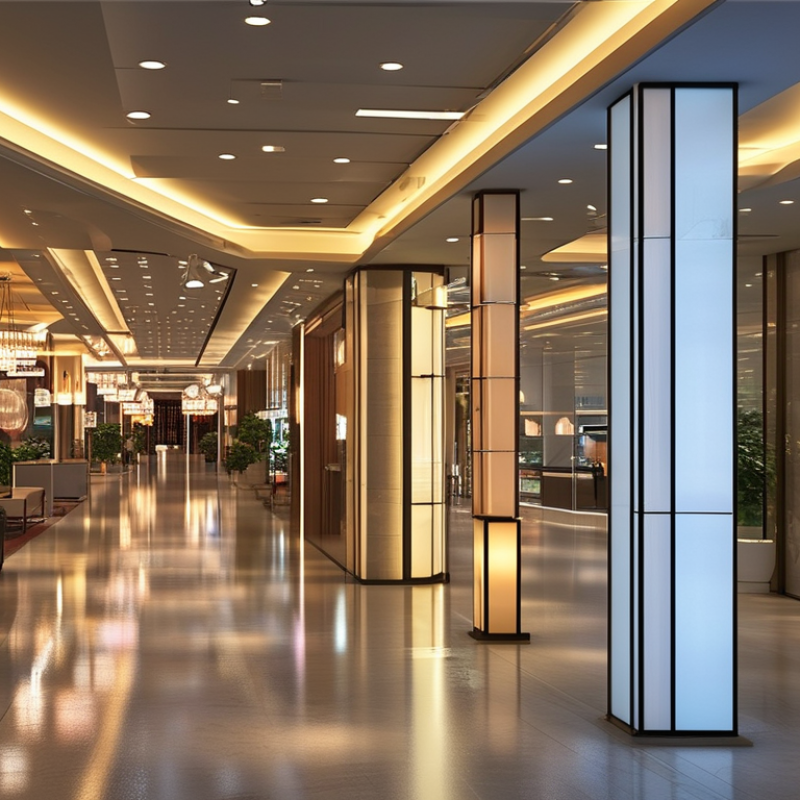
Understanding glare in indoor commercial downlights is crucial for creating a comfortable environment. Glare occurs when there is excessive brightness, often caused by direct light sources. This can lead to discomfort and reduced visibility, impacting productivity and safety.
The positioning of downlights significantly affects glare. Fixtures located too close to the visual plane can create harsh reflections. Additionally, the angle at which light shines contributes to the intensity of glare. It's essential to consider both the height and spread of light to minimize this issue. Using diffusers or baffles can also help soften the light and diffuse it more evenly.
In some cases, interior design choices can result in glare. Light colors and glossy surfaces amplify brightness. Thoughtful selection of materials can aid in reducing glare. Designers must prioritize not only aesthetics but also the functional comfort of the space. Understanding these principles can lead to better lighting solutions, enhancing the overall atmosphere in commercial environments.
The sources of glare in indoor commercial spaces are often linked to the design and placement of downlights. Bright fixtures, if positioned too low or at inappropriate angles, can create uncomfortable reflections. The contrast between these bright sources and dimmer surfaces can exacerbate the issue. Identifying the specific areas where light becomes harsh is crucial.
When evaluating a space, observe how light interacts with various surfaces. Glossy finishes tend to amplify glare, reflecting light directly into the eyes. Consider incorporating matte finishes in furniture or walls to mitigate this effect. Ensure that light is shielded or diffused appropriately.
Also, think about the color temperature of the lights used. Cooler temperatures can create a sharper glare. Warmer lights often provide a more pleasant ambiance, reducing the potential for discomfort. Regularly reassessing the lighting strategy and its impact on glare is essential for creating a more user-friendly environment.
Choosing the right low-glare lighting fixtures is crucial for creating a comfortable indoor environment. Ceiling-mounted downlights are common in commercial spaces. However, they often produce harsh glare. To mitigate this issue, one should consider options with diffusing lenses or indirect lighting designs. Such features can soften the light output and distribute it evenly across surfaces.
Selecting fixtures with appropriate brightness levels is essential too. Too bright lights can overwhelm users, causing discomfort. It's important to conduct a thorough examination of the lumen output before installing fixtures. Often, lower wattage fixtures can deliver sufficient illumination while reducing glare. Another key factor to observe is the color temperature. Warm-toned lights tend to be less straining on the eyes than cool, stark white lights.
Incorporating fixtures that offer adjustable features can also improve the situation. Dimming capabilities allow users to control the intensity of light as needed. However, some don’t realize the importance of placement. Installing lights too close to reflective surfaces can increase glare significantly. Analyzing the layout and test different positions may lead to better overall results. Balancing style and function is not always easy, but it is vital for reducing glare effectively.
Creating a comfortable indoor environment requires careful lighting choices. Adjusting the angles of downlights can dramatically reduce glare. When lights are positioned directly overhead, they often create harsh shadows. By angling the fixtures slightly away from direct sightlines, light can be diffused better. This small change can encourage a more pleasant atmosphere, especially in workspaces.
Spacing between downlights is another critical factor. When fixtures are too close together, overlapping light beams can generate intense glare. It's essential to consider the layout of your space. A wider spacing can create a more even distribution of light, minimizing harsh spots. Look at the room’s aesthetic. Choosing a thoughtful approach to spacing and angles can transform how natural light interacts with your space.
However, achieving the perfect setup may take some trial and error. Experimenting with different positions can reveal what works best for your needs. Don’t hesitate to gather feedback from those using the space. Sometimes, small adjustments lead to significant improvements in comfort and productivity. Balancing aesthetics with functionality is often a reflective process.
Innovative lighting control solutions can significantly reduce glare from indoor commercial downlights. One effective method is to integrate adjustable dimmers and sensors. These controls allow users to modify light intensity based on actual needs, minimizing discomfort. In spaces where downlights are harshly lit, this adaptability can create a more inviting atmosphere.
Another valuable approach involves the use of smart technology. Automated systems can adjust lighting based on the time of day and natural light levels. This ensures that indoor environments remain comfortable throughout the day. Users might find it challenging to fully understand these systems initially, leading to potential misconfigurations. Continuous learning and adaptation are essential for maximizing the benefits of these innovative solutions.
Implementing layered lighting strategies can also help. Combining downlights with other light sources like wall sconces or ambient lighting can soften overall brightness. Users may sometimes overlook the balance between direct and indirect lighting. Finding the right mix requires testing and refinement, as preferences differ among individuals. By embracing these challenges, commercial spaces can enhance the user experience and reduce glare effectively.
: Glare is excessive brightness from light sources. It can cause discomfort and reduce visibility.
Downlights too close to the eye level can create harsh reflections, increasing glare intensity.
Using darker colors and matte surfaces can minimize brightness and reduce glare in interior spaces.
Overly bright lights can overwhelm users. Choosing appropriate lumen output helps maintain comfort.
Fixtures with dimming capabilities allow users to control light intensity, enhancing comfort as needed.
Closely spaced downlights can create overlapping beams, causing intense glare. Wider spacing can reduce this.
Angling downlights away from direct sightlines can diffuse light better, creating a more pleasant environment.
Yes, trial and error can reveal ideal positions. Small adjustments can lead to better comfort and productivity.
Warm-toned lights are less straining on the eyes compared to cool, stark white lights, helping reduce glare.
Gathering user feedback can inform adjustments and improvements to better suit the needs of the space.
To address the issue of how to reduce glare from indoor commercial downlights, it is essential to first understand the nature of glare and its impact on visual comfort. Identifying the sources of glare in lighting design allows for a more focused approach in mitigating this problem, whether through the selection of appropriate fixtures or the arrangement of lighting in the space.
Techniques for choosing low-glare lighting fixtures include selecting products with proper shielding and diffusing properties. Additionally, strategically adjusting light angles and spacing can significantly reduce direct light exposure, further enhancing comfort. Implementing innovative lighting control solutions, such as dimmers and automated systems, can also play a crucial role in minimizing glare, leading to an overall improved lighting environment in commercial spaces.

Dorde Lights