When you notice your outdoor LED street lights flickering, it can be frustrating. You might wonder, “why are my outdoor LED street lights flickering?” This issue can stem from various factors. Understanding the root causes helps in finding a solution.
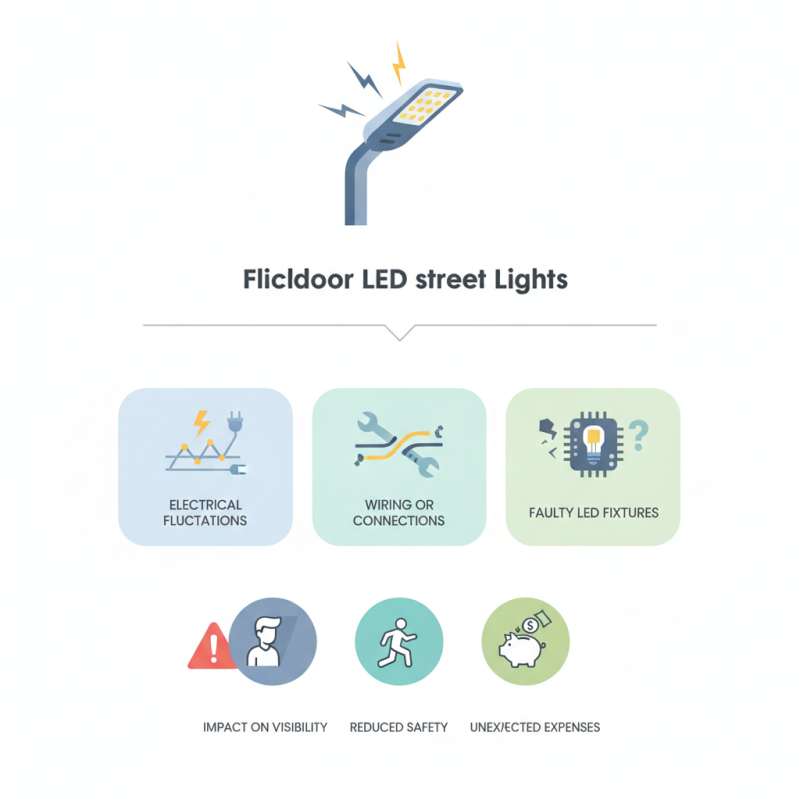
Flickering lights can result from electrical fluctuations. Issues with wiring or connections may also play a role. In some cases, the LED fixtures themselves might be faulty. It’s crucial to investigate these aspects thoroughly.
Failing to address flickering lights can lead to bigger problems. Not only does it impact visibility, but it also reduces safety in your outdoor spaces. Ignoring this issue could mean unexpected expenses down the line. Taking the time to understand the situation is key to maintaining reliable lighting.
Flickering outdoor LED street lights can be a hassle for municipalities and residents alike. One common issue is voltage fluctuations. When voltage levels rise or fall unexpectedly, it can cause lights to flicker. According to a report from the Illuminating Engineering Society, nearly 30% of LED performance problems relate to inconsistent voltage supply.
Another cause may be poor connections in the wiring. Loose or corroded connections can interrupt the power supply, leading to unwanted flickering. Regular maintenance and inspections are vital in preventing these issues. It's noted that up to 15% of street lighting failures are due to connection problems.
**Tips:** Ensure all connections are secure and regularly check for corrosion. This can dramatically reduce flickering.
Environmental factors can also contribute. Temperature changes affect LED performance. Extreme cold can cause flickering, as certain models are more sensitive to temperature shifts. A study by the Department of Energy shows that street light efficiency can drop 20% in extreme conditions.
**Tips:** Choose LEDs rated for diverse temperature ranges. This helps maintain consistent performance.
Understanding these factors is crucial for addressing flickering issues. Regular evaluation and proactive measures can improve the reliability of outdoor LED street lights.
The following bar chart illustrates the common causes of flickering in outdoor LED street lights, based on an analysis of various factors.
Voltage fluctuations can significantly impact the performance of outdoor LED street lights. Many installations experience flickering due to unstable voltage levels. According to a study by the U.S. Department of Energy, voltage irregularities can lead to a reduction in LED lifespan by up to 30%. This data highlights the critical nature of reliable power sources for maintaining lighting efficiency.
When voltage levels rise or fall beyond optimal ranges, LEDs may flicker or operate inconsistently. For instance, a decrease in voltage can cause dimming, while an increase can lead to rapid flickering. The American Society of Heating, Refrigerating and Air-Conditioning Engineers found that maintaining voltage within ±5% of the LED's rated value is essential for stable operation. Without this stability, performance issues may arise frequently, indicating a need for system upgrades or power conditioning solutions.
It may seem trivial, but assessing voltage levels is vital. Ignoring fluctuations can lead to significant maintenance costs over time. Street light systems should incorporate monitoring tools to track voltage changes continuously. This proactive approach can mitigate flickering and ensure consistent lighting in public areas. Adopting such strategies reflects a commitment to reliability and enhanced energy efficiency in urban lighting infrastructure.
Temperature variations play a critical role in the flickering of outdoor LED street lights. When temperatures drop, the performance of LED drivers can fluctuate. These drivers regulate the power supplied to the LEDs. Cold weather can make components less responsive. This can result in inconsistent lighting and flickering.
In contrast, high temperatures can also cause issues. Overheating may lead to thermal runaway, where components fail under excessive heat. Improper installation or a lack of cooling can exacerbate this problem. As a result, LED lights might not operate as smoothly, leading to unwanted flickering.
Regular maintenance and monitoring are vital. Check the fixtures for proper insulation and cooling. Ensuring the drivers are rated for your climate can also help. Addressing these concerns can minimize flickering. However, sometimes, the issue can be intricate, requiring deeper investigation. Such complexities highlight the need for expert evaluation.
Proper installation and maintenance are crucial for outdoor LED street lights. When these lights flicker, it can be frustrating. Often, flickering results from incorrect installation. A poor connection can lead to inconsistent power supply. This inconsistency affects the LED's performance, causing it to flicker. Moreover, environmental conditions might also play a role. Weather changes can impact the integrity of connections over time.
Regular maintenance helps identify potential issues early. Inspecting wiring and connections can prevent flickering. Dirt and debris can obstruct light output as well. Cleaning the fixtures ensures optimal performance. It is important to follow installation guidelines. This promotes the longevity of the lights.
Here are a few tips to avoid flickering. Check connections periodically. Ensure they are tight and free from corrosion. Use appropriate sealing methods to protect against moisture. If flickering persists, consult a professional. They can diagnose deeper electrical issues. This proactive approach can save time and money in the long run.
Flickering issues in outdoor LED street lights can be frustrating. Identifying the cause can help resolve the problem. One common reason is poor electrical connections. Loose wires can lead to intermittent power. This issue often goes unnoticed until it causes significant flickering. Inspect all wiring and connectors for any signs of damage or looseness. Tightening or replacing these elements may restore consistent lighting.
Another factor could be the power supply. Voltage fluctuations can cause lights to flicker. Regularly check the voltage levels to ensure they remain stable. If fluctuations occur, consider using voltage regulators. These devices can help maintain a consistent power supply, preventing flickering.
Tips: Maintain a routine check of fixtures for any visible wear. Schedule regular maintenance to avoid long-term issues. Ensure the height of the lights remains optimal for visibility, as improper installation can contribute to flickering. Sometimes, simple changes make a significant difference. Assess your current setup and make necessary adjustments. Regular attention to these details can provide a more consistent lighting experience.
: Flickering can result from temperature changes, poor electrical connections, or voltage fluctuations in the power supply.
Cold weather can make components less responsive, leading to inconsistent lighting. Hot temperatures may cause overheating and flickering.
Incorrect installation can lead to poor connections, resulting in flickering. Following guidelines ensures the lights perform correctly over time.
Regular inspections of wiring and connections are essential. Cleaning fixtures and ensuring tight, corrosion-free connections enhance performance.
Inspect for loose wires and check voltage levels. Tightening connections or using voltage regulators can help resolve flickering issues.
Regular checks can identify wear and tear. Routine maintenance helps prevent long-term issues and ensures consistent lighting quality.
Yes, changing weather can affect the integrity of connections, leading to flickering over time. Proper insulation and sealing methods help.
Ensure lights are at optimal height and check for loose connections. Small changes can significantly reduce flickering problems.
If flickering persists despite routine checks, expert evaluation may be needed to diagnose deeper electrical issues.
Dirt and debris can obstruct light output, leading to flickering. Regular cleaning is vital for optimal performance.
If you've ever wondered "why are my outdoor LED street lights flickering," there are several common causes to consider. Voltage fluctuations can significantly impact the performance of LED lights, leading to inconsistent illumination. Additionally, temperature variations can cause the LED components to expand and contract, potentially resulting in flickering.
Proper installation and maintenance practices are crucial in ensuring that outdoor LED street lights function effectively. Regular checks and troubleshooting techniques can help identify and resolve flickering issues before they become problematic. By understanding these factors, you can take proactive steps to maintain the brightness and reliability of your outdoor lighting systems.

Dorde Lights