How to Choose the Right Beam Angle for Downlights?

Time:2026-06-16 Author:Ethan
0%

Choosing the right beam angle for downlights can drastically affect your space’s ambiance. According to lighting expert Jane Smith, “The beam angle determines how light fills a room.” This statement highlights the crucial role beam angles play in lighting design.

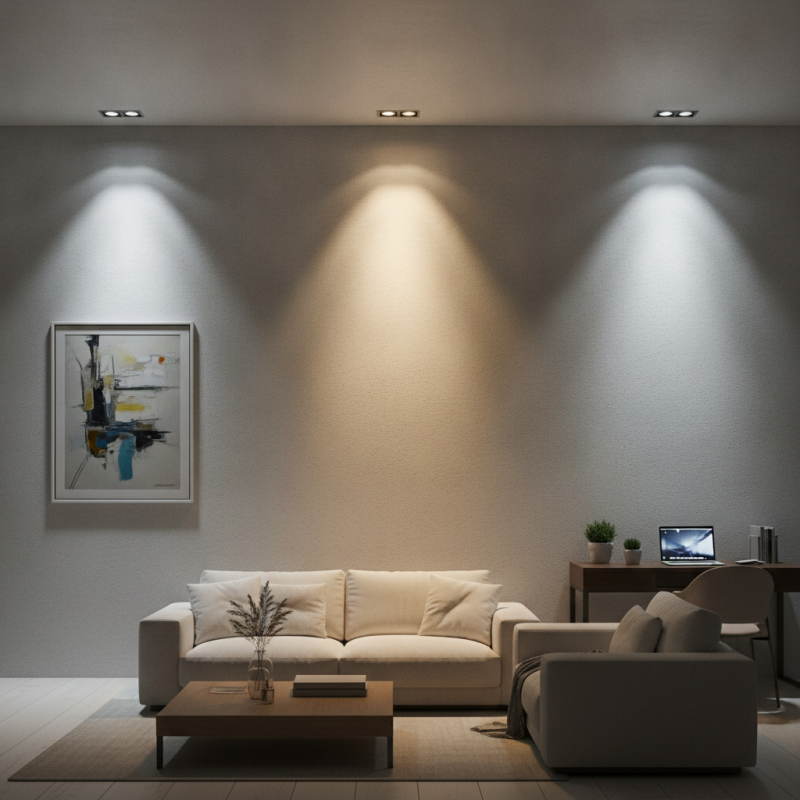
Understanding how to choose the right beam angle for downlights requires careful consideration. Different beam angles serve various purposes. A narrow beam angle focuses light in a smaller area, ideal for highlighting artwork or features. In contrast, a wider beam angle disperses light broadly, creating an even glow in larger spaces.

Additionally, it’s essential to consider the height of your ceilings and the function of the room. Bright, focused light can enhance productivity in a workspace, while softer, wider angles can foster a relaxed atmosphere in living areas. Striking the right balance can be challenging, and it often takes experimentation and adjustment. Light is subjective, and personal preferences vary widely.
How to Choose the Right Beam Angle for Downlights?

Understanding Beam Angle Basics for Downlights

Choosing the right beam angle for downlights is essential for achieving the desired lighting effect in your space. The beam angle determines how light spreads from the fixture. A narrow beam angle, such as 15 degrees, creates focused, intense light. This is perfect for highlighting artwork or specific areas. On the other hand, wider angles, like 60 degrees, provide a more general illumination. They are ideal for lighting larger spaces.

When selecting a beam angle, consider the purpose of the lighting. For task lighting, such as in kitchens or work areas, a narrow angle may be more effective. To avoid harsh shadows, opt for a wider beam angle in living areas. You also need to think about the height of your ceiling. Higher ceilings can benefit from a narrow beam that projects light downward efficiently.

Tips: Measure the distance from the fixture to the area you want to light. This measurement helps you visualize the coverage of different beam angles. Consider your decor and how light interacts with surfaces. Remember that dimmers can also help in fine-tuning the lighting ambiance. Testing different angles can lead to better reflections and a more welcoming environment. Adjusting angles based on room usage is key to effective lighting.

The Impact of Beam Angle on Lighting Effectiveness

Choosing the right beam angle for downlights is crucial for effective lighting. The beam angle determines how spread out or focused the light will be. A narrower beam is ideal for highlighting specific areas, like artwork or architectural features. Conversely, a wider beam angle provides ambient lighting for larger spaces.

Consider the room's purpose when selecting a beam angle. For instance, a cozy living room may benefit from softer, wider beams. This creates a warm atmosphere. In contrast, task-oriented spaces like kitchens may require focused, narrow beams for better visibility. Assess the height of your ceiling, too. Higher ceilings may make narrow beams less effective, as the light disperses before reaching the floor.

Experimenting with different angles can yield surprising results. Even slight adjustments can change a room's feel. Take time to test various setups to see what works best for your needs. It’s a learning process, and finding that sweet spot might take some trial and error.

Choosing Beam Angle Based on Room Size and Layout

Choosing the right beam angle for downlights significantly impacts how a room feels. Room size and layout play crucial roles in this decision. A room that is spacious may require wider beam angles. Wider angles provide more even light distribution, preventing dark corners. Studies suggest that a beam angle between 40° to 60° is ideal for larger spaces.

For smaller rooms, narrow beam angles are generally more effective. A beam angle of 15° to 25° highlights features like artwork or furniture. This focused light creates a sense of intimacy. The Lighting Research Center indicates that 30° beams can improve ambiance in rooms under 100 square feet.

**Tip:** Consider the room's function. Cozy settings benefit from angles around 30°. For task-oriented spaces, like kitchens, a wider beam may provide better visibility. Finally, remember that mixing different beam angles can enhance depth and dimension in your design. Assessing the balance between beam coverage and the room’s characteristics is essential for optimal lighting.

Considerations for Different Lighting Purposes and Activities

Choosing the right beam angle for downlights can significantly influence the atmosphere and functionality of a space. A narrow beam angle, typically around 15 to 30 degrees, is ideal for highlighting artwork or architectural features. This focused light creates a dramatic effect and draws attention. However, it can lead to uneven illumination if not placed thoughtfully.

In contrast, wide beam angles, ranging from 30 to 60 degrees, provide more general lighting. This is especially useful for larger areas like living rooms or kitchens. According to a report by the Illuminating Engineering Society, environments with adequate ambient lighting can improve mood and productivity. This supports the notion that lighting should cater to the specific activities in a space.

One must also consider the height of the ceilings when selecting a beam angle. A higher ceiling may require a wider beam to avoid dark spots. Conversely, lower ceilings benefit from narrower beams to provide the right intensity without overwhelming the space. Every setting has its unique challenges, and understanding these nuances is crucial for achieving the desired lighting outcome. It might take some trial and error to find the perfect mix.

How to Choose the Right Beam Angle for Downlights?

Matching Beam Angle to Fixture Design and Aesthetics

When selecting downlights, the beam angle is crucial for both functionality and aesthetics. A narrower beam angle, around 15 to 30 degrees, is ideal for accent lighting. This creates focused pools of light, enhancing decorative elements or artwork in a room. In contrast, a wider beam angle of 40 to 60 degrees offers ambient illumination, making spaces feel more expansive.

According to industry reports, the right beam angle can enhance the visual appeal of a space. Designers often recommend a beam angle matching the room's purpose. For example, task areas like kitchens benefit from focused lighting. Meanwhile, living rooms benefit more from a diffused spread. Failure to consider the beam angle may result in lighting that feels harsh or inadequate.

Careful attention to aesthetics is also paramount. A striking fixture can lose its impact if the beam angle is not well-matched. Ideally, consider how light interacts with colors and textures in the room. It's not just about brightness; it's about creating an atmosphere. Misalignment can lead to an uninviting environment. Balancing function and form is essential for achieving the desired effect.

FAQS

: How does room size affect beam angle choice?

: Larger rooms need wider beam angles for even light. Smaller rooms benefit from narrow angles, creating intimacy.

What beam angle works best for small rooms?

A narrow beam angle of 15° to 25° is effective. It highlights features and makes the space feel cozy.

Are there specific beam angles for different room functions?

Yes, cozy spaces benefit from angles around 30°. Task areas, like kitchens, typically need wider beams.

How do ceiling heights influence beam angle selection?

Higher ceilings often require wider beams to avoid shadows. Lower ceilings can use narrower beams for intensity.

Can mixing beam angles improve lighting design?

Yes, varying beam angles can add depth and dimension. It creates a more dynamic and inviting atmosphere.

Why is considering aesthetics important when choosing beam angles?

The right angle enhances features, while the wrong one can make a space feel harsh or uninviting.

What should I keep in mind during the selection process?

Balance beam coverage with the room’s characteristics. It may take time and adjustments to perfect the arrangement.

Can lighting improve mood and productivity?

Yes, adequate ambient lighting creates a positive environment. Tailor options to specific activities for the best results.

What happens if beam angles are not selected carefully?

Poor choices may lead to uneven illumination or unpleasant atmospheres. Be mindful of how light impacts the room’s feel.

How can I ensure optimal lighting outcomes?

Understand the nuances of your space and experiment with different angles. Trial and error can lead to improvement.

Conclusion

Choosing the right beam angle for downlights is essential for optimizing lighting in any space. Understanding the basics of beam angles reveals how they influence not only the appearance but also the functionality of lighting. The effectiveness of a downlight is significantly impacted by its beam angle, making it crucial to consider room size and layout when selecting fixtures. Narrow beam angles are ideal for highlighting specific areas, while wider angles provide more general illumination.

Furthermore, different lighting purposes and activities should guide your choice of beam angle. For task-oriented spaces like kitchens or home offices, a focused beam might be preferable, whereas living areas may benefit from softer, more diffused light. Lastly, the beam angle should complement the design and aesthetics of the fixture, ensuring a harmonious and effective lighting solution. In summary, to understand how to choose the right beam angle for downlights, one must analyze these key factors to achieve both beauty and functionality in lighting design.

Ethan

Ethan

Ethan is a seasoned marketing professional with a deep expertise in our company's innovative product line. With a passion for sharing knowledge and insights, he takes the lead in regularly updating our corporate blog, where he explores industry trends, product features, and effective marketing......