In modern office design, lighting plays a crucial role. Specifically, knowing where to place panel lights in an office layout can enhance productivity and well-being. The right lighting creates a more inviting atmosphere. It also influences employee mood and efficiency.
Panel lights are versatile and can fit various office styles. When considering placement, think about natural light sources. They should complement rather than compete with existing lighting. However, many overlook the impact of light positioning. Poorly placed lights can cause glare or uneven lighting.
Finding the perfect balance is essential. Take note of common areas, workstations, and meeting rooms. Each space requires different lighting strategies. Don’t underestimate the effect of well-placed lights. They can drastically change the perception of an office. Reflect on how lighting choices can either boost or hinder performance.
Understanding the Importance of Lighting in Office Design
Lighting plays a vital role in office design. It affects mood, productivity, and overall well-being. Proper lighting can minimize fatigue and enhance focus. In an office environment, the right brightness and color temperature are essential. Soft, warm lights can create a cozy atmosphere, while cooler lights promote alertness.
The placement of panel lights is equally important. They should illuminate workspaces without causing glare on screens. Consider different work zones: collaboration areas need bright lights, while quiet zones benefit from softer lighting. It's worth noting that not every employee may prefer the same lighting. Some may find harsh lights disruptive. This difference should influence the lighting layout.
Reflection on current practices can lead to improvement. Many offices still overlook natural light when planning. This lack can lead to a dreary atmosphere. Embracing natural light not only enhances aesthetics but also boosts energy levels. Striking a balance between artificial and natural light creates an inviting workspace.
Key Considerations for Panel Light Placement in Workspaces
When considering panel light placement in office layouts, several key factors come into play. Lighting should enhance productivity and employee well-being. Research shows that poor lighting can reduce productivity by 30%, highlighting the importance of strategic placement. For optimal efficiency, the distance between panel lights should match typical desk heights, ensuring even light distribution.
Brightness levels also matter. A study by the International Facility Management Association (IFMA) indicates that workspaces should achieve 300 to 500 lux for common areas and a minimum of 500 lux for detailed tasks. Employees experience less eye strain in well-lit environments, potentially reducing sick days by up to 20%. As such, placing lights near workstations can foster a more conducive atmosphere.
However, there are challenges. Not all spaces allow for perfect light placement. Some areas may create dark corners or glare, affecting comfort. Figuring out the right balance requires thoughtful planning and consideration of each unique layout. Reflecting on feedback from employees can guide those adjustments. This iterative process can enhance overall satisfaction in the workspace, blending functionality with comfort.
Optimal Locations for Panel Lights in Open Office Environments
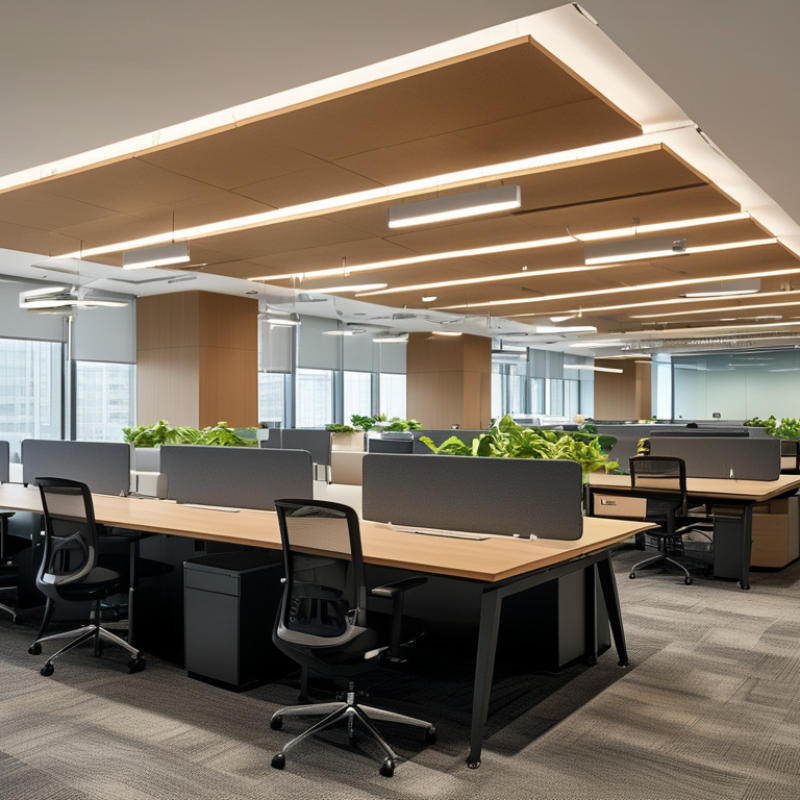
In open office environments, the placement of panel lights significantly influences both productivity and well-being. Research shows that adequately lit spaces can enhance employee focus by up to 20%. Properly positioned panel lights not only reduce eye strain but also create a more inviting atmosphere. According to the Illuminating Engineering Society, a balance between brightness and color temperature is crucial for effective light placement.
When considering panel lights, it’s vital to install them evenly across the ceiling. Fixtures should be spaced to avoid excessive shadows, especially in work zones. Additionally, areas such as break rooms and collaborative spaces may require softer lighting to promote relaxation and creativity. The American Society of Interior Designers emphasizes the importance of lighting variety, suggesting that spaces with multiple light sources can cater to different tasks effectively.
However, an often-overlooked aspect is energy efficiency. Many offices fail to utilize LED panel lights to their full potential. Transitioning from traditional lighting can save about 40% in energy costs. Not all offices have made this change yet. Finding a balance between aesthetics, functionality, and energy savings remains a challenge for many. It is crucial to assess lighting needs regularly, ensuring that the panel light layout evolves with office dynamics.
Panel Light Installation Strategies for Private Offices
When planning panel light installation in private offices, certain strategies enhance both functionality and aesthetics. Proper placement of panel lights can significantly impact productivity and well-being. A recent study indicated that well-lit workspaces can boost employee productivity by up to 20%. To achieve optimal light distribution, consider placing fixtures above workstations and collaboration areas. This localized lighting minimizes shadows while ensuring sufficient illumination.
Choosing the right color temperature is another critical aspect. A cooler color temperature, around 4000K, promotes alertness and focus. In private office settings, balancing this with warmer tones can create a welcoming atmosphere. Professionals recommend layering light; using panel lights in conjunction with natural light sources can enhance the overall brightness and warmth of the space.
Another point to consider is flexibility. Install panel lights on adjustable tracks where possible. This allows for reconfiguration if office layouts change. It's essential to keep in mind that not all configurations work seamlessly. Lighting needs may evolve with the changing dynamics of the workplace, and regular assessment can help maintain an ideal environment.
Best Locations for Panel Lights in Office Layouts
| Location |
Recommended Light Type |
Lumens per Fixture |
Ideal Mounting Height |
Notes |
| Above Workstations |
Troffer Lights |
4000 |
8-10 ft |
Encourages productivity and reduces eye strain. |
| Meeting Rooms |
Panel Lights |
3000 |
9-11 ft |
Soft light helps in discussions and presentations. |
| Reception Areas |
LED Recessed Lights |
5000 |
10-12 ft |
Creates a welcoming atmosphere for visitors. |
| Hallways |
Surface Mount Lights |
2000 |
8-10 ft |
Ensures safety and visibility in transitional spaces. |
| Break Rooms |
Pendant Lights |
2500 |
8-10 ft |
Encourages relaxation and social interaction. |
Incorporating Natural Light with Panel Lighting Solutions
Incorporating natural light into office layouts is essential for enhancing employee well-being.
Large windows and skylights can work wonders, allowing sunlight to filter in. This creates a warm, inviting atmosphere that
artificial lighting cannot replicate. However, not every office can rely solely on natural light sources. This is where
panel lighting solutions come in.
Strategically placing panel lights in areas away from windows can help maintain brightness throughout
the space. Consider adding dimmable panel lights to mimic the changing daylight. This can improve focus, reduce eye strain,
and create a dynamic work environment.
Balancing natural and artificial lighting may pose challenges. Finding the right intensity is crucial to prevent
over-illumination and glare.
Reflecting on your layout can be enlightening. Monitor how employees adapt to light changes throughout the day. Their
feedback can reveal insights into comfort and productivity.
Ultimately, fostering an adaptable lighting system can lead to better performance and satisfaction in the workplace.
FAQS
: Proper placement enhances productivity and employee well-being. Poor lighting can decrease productivity by 30%.
Common areas need 300 to 500 lux. Detailed tasks require a minimum of 500 lux for comfort.
Natural light creates a warm atmosphere and enhances employee well-being, improving mood and productivity.
Some areas may have dark corners or glare. Balancing light requires careful planning.
Dimmable lights can mimic daylight, helping reduce eye strain and improving focus.
Employee feedback is crucial for adjustments. Their insights can improve comfort and performance in the workspace.
Yes, finding the right intensity is essential. Over-illumination can cause glare and discomfort.
Continuous reflection allows for adjustments. This process can enhance both functionality and employee satisfaction.
Well-lit environments reduce eye strain, potentially lowering sick days by up to 20%.
No, not all offices get enough natural light. Panel lighting is necessary to maintain brightness.
Conclusion
In modern office design, the strategic placement of lighting, particularly panel lights, is crucial for creating a productive workspace. Understanding where to place panel lights in an office layout involves considering factors such as the nature of the work performed, employee well-being, and energy efficiency. Key considerations include the brightness of the lights, their distribution in relation to workstations, and the overall aesthetic of the office.
Optimal locations for panel lights vary between open office environments and private offices. In open spaces, lights should be evenly distributed to avoid shadows and dark spots, while in private offices, focused lighting may be necessary for specific tasks. Additionally, incorporating natural light with panel lighting solutions can enhance the ambiance, promoting a healthier work atmosphere. Ultimately, careful planning of panel light placement will lead to improved visibility, comfort, and productivity for employees.

 Dorde Lights